
Best Time of Year to Schedule Scorpion Treatment in Phoenix
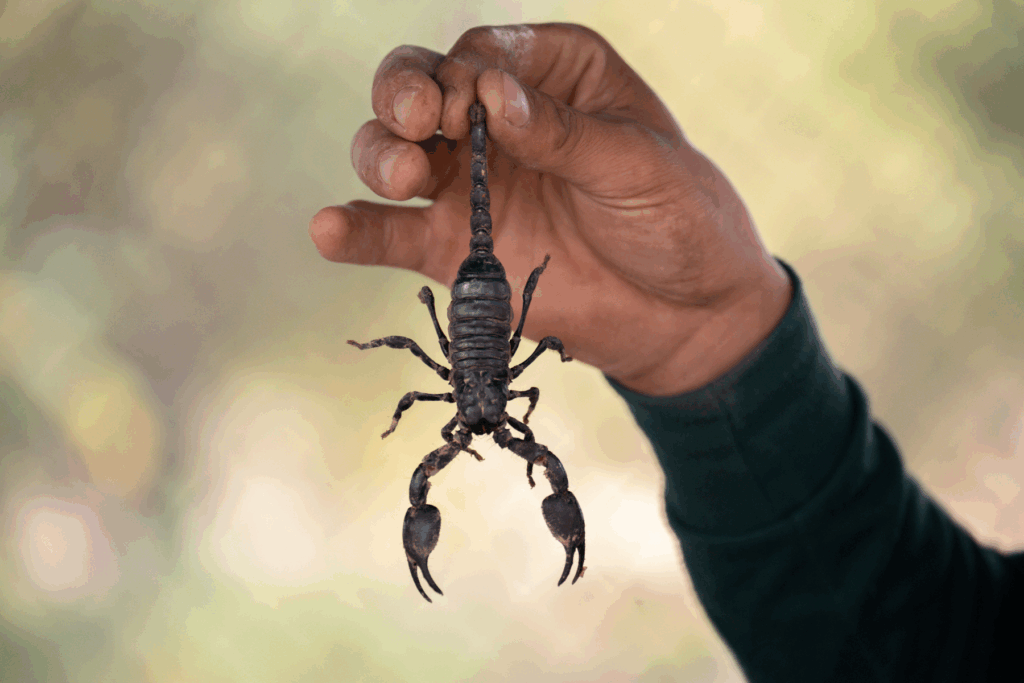
It’s late in the evening, and you’re walking barefoot in the kitchen to grab something when suddenly you step onto something. Oh no, it’s a glowy little scorpion under the blacklight. Hanging on your baseboard like this tiny guy pays your rent. If you’re a resident of Phoenix, this is not new to you. Scorpions are inhabitants of the Sonoran desert. But the good news? You can drastically reduce your chances of seeing them if you treat your home at the right time of year. The trick is to act before they make themselves at home, literally. So, when’s the best time for scorpion treatment in Phoenix? In this guide, we will divide it down into seasons so you can keep track of the best tricks to eliminate scorpions. When Are Scorpions Most Active in Phoenix? Scorpions are most active during the beginning of March and can last longer until the month of October. The warm desert climate is a friend of these tiny creatures. They can survive in the harsh climate of Arizona. The Sonoran Desert is an ideal real estate for bark scorpions during monsoon season. Here’s a seasonal snapshot: Spring (March-May): Scorpions emerge from winter hiding and start breeding Summer (June–August): Peak activity night hunts, stings, and infestations Fall (Sept–Nov): Slower movement, but still lurking Winter (Dec–Feb): Not gone, just hiding inside walls, attics, and garages Why Spring Is the Best Time to Start Treatment If you’re thinking of calling a pest control company, spring is your golden window. This is when scorpions begin waking up and breeding. Taking action in March or April creates a protective barrier before they go full “Game of Thrones” in your backyard. Think of it like this: Prevent now, and you won’t be fighting them later. Treatments in early spring target scorpions before they multiply and before they move indoors. Bonus tip: Pair your treatment with home sealing to stop them from squeezing through cracks or tiny crevices. Summer & Monsoon Season: The Scorpion Invasion Scorpion activity spikes in June, July, and August, especially after a good monsoon rain. Why? Because water drives bugs into your home for shelter, and scorpions follow right behind them like creepy little hitchhikers. During this season, families in Scottsdale, Chandler, Tempe, and Mesa report the highest number of scorpion sightings. Blacklight hunting has become a nightly routine in many neighborhoods. Some folks even say they’ve killed 10–15 scorpions in one week during July. If you missed spring treatments, it’s not too late monthly pest control during summer is critical. Fall & Winter: The Hidden Danger Not because you didn’t see a single scorpion around doesn’t mean they are not around. When fall and winter season comes, scorpions prefer to find warm and cozy indoors. It could be from your attics, wall voids, garages, closets, and anywhere around the house. And guess what? They’ll stay put until it warms up again. This is actually a perfect time to seal up your home, fix cracks, and work on long-term scorpion control. Treatments during these months focus on keeping any remaining pests from nesting inside. How Often Should You Schedule Scorpion Treatments? A good rule of thumb: Monthly treatments from March to October Bi-monthly or quarterly treatments in cooler months Pair that with integrated pest management (IPM), a fancy term for sealing, cleaning, and monitoring and you’ll be way ahead of the game. Look for pest control companies in Phoenix, Scottsdale, or Mesa that offer year-round plans with UV inspections and home sealing services. What to Look for in a Phoenix Scorpion Control Service Not all pest control companies are created equal. You want a team that: Uses blacklight detection to find scorpions hiding in walls or crevices Offers home sealing services to block entry points Has experience with Sonoran Desert pests, especially bark scorpions Provides free consultations or inspections Has strong reviews from other Phoenix-area homeowners Ask about their treatment methods and if they use child- and pet-safe products, especially if you have little ones running around. Relieved Homeowner of North Scottsdale “We moved into our home in North Scottsdale not knowing it was basically a scorpion resort. Within the first week, we found one in our toddler’s room and killed over 15 scorpions inside and outside the house. It was terrifying. We immediately scheduled professional treatment and got the house sealed, and it’s made a huge difference. Now we sleep without blacklights by the bed, and I don’t feel like I’m on constant scorpion patrol. If you’re in Phoenix and dealing with this, don’t wait, just call the pros.” — Jessica L., Mom of Two & First-Time Homeowner, North Scottsdale, AZ Don’t Wait for a Sting. Take Action Now. The truth is it doesn’t matter if your house is the cleanest in the neighborhood. Or it’s the newest house in the city or how pleasing the landscaping is to your yard. Scorpion only wants three things: food, water, and shelter. They’ll search for it wherever it is. Please don’t wait for them to harm you and your family. Let a professional pest control expert cut them down. They can’t be in your house, on your kid’s bedroom floor. Book your scorpion treatment now before Phoenix heats up. You can count on Spark Pest Control to protect your yard and home. Frequently Asked Questions 1. When is the best time to schedule scorpion treatment in Phoenix? The best time to schedule your scorpion treatment is during early spring or around March or April. It is the time when scorpions come out after winter to start their breeding cycle. Starting treatment early creates a protective barrier before they become active. 2. Are scorpions active in winter in Phoenix? Yes, even in winter, they can be active, but it is less due to the fact that scorpions prefer to hide indoors, such as in your house. Keeping your house sealed together with indoor treatments is
Scorpion Hotspots in Phoenix Neighborhoods
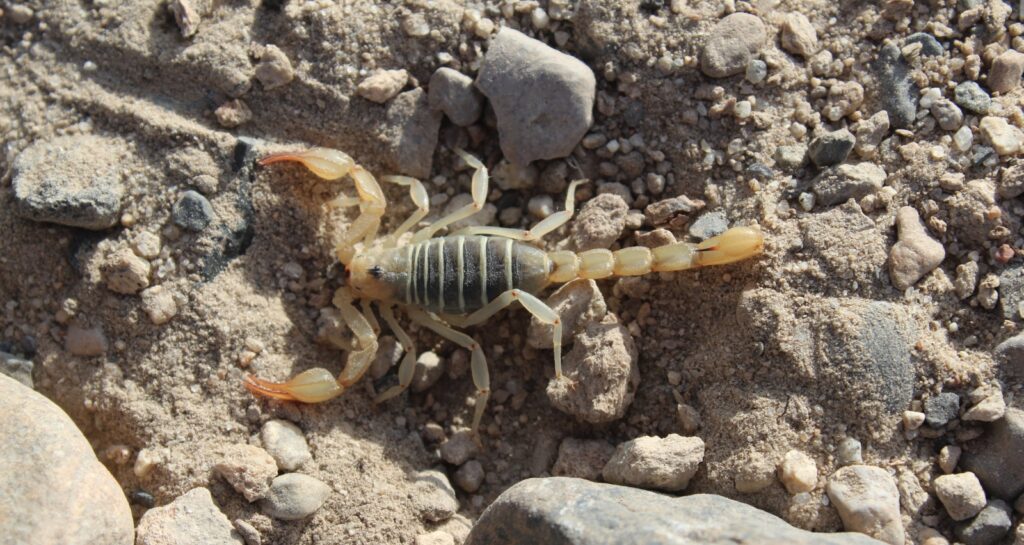
You are walking the way to the garage when suddenly you flip the light, and something catches your eye. If you live in Phoenix, you already know what we are talking about. Yep, the scorpions. Welcome to desert living. Scorpions are more than just creepy crawlers here. They’re part of the Phoenix lifestyle whether we like it or not. Some neighborhoods, though? They’re practically scorpion vacation resorts. If you’ve ever wondered which parts of Phoenix are crawling more than others, you’re in the right place. Let’s talk about hotspots and how to keep these little tank-like pests out of your home. Why Scorpions Love Phoenix (And Your Backyard) Phoenix isn’t just a city in the desert. It’s the perfect plsce for bark scorpions, the most common and venomous type around here. Here’s why they’re obsessed with our city: The climate is hot and dry, which is just how they like it. Irrigation systems and lush landscaping attract the bugs they love to eat. Block fences and palm trees? Scorpion condos. As the city expands, urban sprawl pushes into their territory, so they adapt, often by crawling into homes. Scorpions are resilient. They can go without food for months, slip through cracks the width of a credit card, and climb walls like tiny desert ninjas. If you’re in the wrong neighborhood, you’re likely to meet one. Or five. Top 5 Scorpion Hotspot Neighborhoods in Phoenix If you live in or near these neighborhoods, brace yourself. Better yet, scorpion-proof your space. 1. Ahwatukee Foothills Tucked along South Mountain, this area is beautiful and quiet, but that rocky terrain? Ideal scorpion habitat. With many older homes and walls that have aged a bit, it’s a playground for pests. Night walks with a blacklight here can be downright disturbing. 2. North Scottsdale High-end homes, manicured desert landscaping, and spacious yards. Sounds perfect, right? For scorpions, too. All those palm trees and rocky landscaping create little shady hideouts they love. 3. Desert Ridge A newer area growing fast but still bordering plenty of wild terrain. Backyard pools and water features can attract crickets aka scorpion snacks. Where there’s food, there’s always something hunting. 4. Anthem Sitting on the northern edge of the metro area, Anthem is practically scorpion-central. The natural desert surroundings and stone-heavy landscaping make it feel like home to more than just homeowners. 5. Arcadia It’s historic, lush, and trendy but the green yards and old homes create a moist, dark ecosystem under the surface. Scorpions thrive here, especially in crawl spaces and wall voids. Signs You’re Living in a Scorpion Zone Not sure if your neighborhood’s on the list? These signs might give you a clue: You find molted scorpion exoskeletons in corners, garages, or closets. Your pets suddenly act weird near walls or baseboards. You’ve gotten up at night to grab water and spotted one in the sink. Yikes. Blacklight scanning in the yard reveals glowing pale bodies. (Yep, they fluoresce.) How to Protect Your Home from Scorpions Okay, so you’re in a hotspot. Now what? Before you panic and move to Alaska, here’s how you can fight back: Seal up entry points: Gaps under doors, cracks in stucco, and unsealed vents are all red carpet entrances. Add weather stripping and door sweeps to keep them out. Declutter your yard: Firewood, bricks, and even toys can become shady spots. Keep pest populations down: No bugs = no dinner for scorpions. Use a blacklight for nighttime inspections. Seriously. It works. You can also try sticky traps inside, but those only tell you where they’re coming from. The real solution? Keep them outside or better yet, away from your property entirely. When to Call in the Pros If you’re dealing with more than the occasional scorpion (and let’s be honest, even one can feel like too many), it’s time to call a professional. Call a local scorpion exterminator if: You’ve seen more than a few in a short period. You have young kids or pets in the home. DIY sprays and traps just aren’t doing the trick. You suspect they’re nesting inside walls or crawl spaces. Phoenix pest control experts often offer specialized scorpion services, blacklight inspections, perimeter sealing, and long-lasting treatment that targets them directly. Scorpion Infestation in North Scottsdale “Just moved to North Scottsdale 4 weeks ago. Since then, we’ve had over 15 scorpions in the house. We started pest control and most that have come in are dead or close to it. Also have diatomaceous earth around the perimeter. Wife and I have been going out every night and killing 5-6 on average per night. The first night we killed 15. The house is not a new construction, but it has been pretty unoccupied for the last couple of years. The yard was a mess but we cleaned it up on day 2 of ownership. We have two toddlers under 3 and we are worried about them getting stung. We’ve seen one alive in their room the first week of living here. We’re planning on getting the house interior sealed. Lived in AZ my whole life and the first time I have ever seen a scorpion was 4 weeks ago LOL…I just want to know if this is really what I have to deal with the whole time we live in this house?” Seen one too many scorpions? Don’t wait for a sting. Living in Phoenix means living for desert adventures. But scorpions? Definitely not one of them. Luckily, knowing where they like to hang outand how to fight back can keep you several steps ahead. Whether you’re in Ahwatukee, Arcadia, or Anthem, you don’t have to just live with it. Arm yourself with the right info and take action. Schedule your scorpion inspection now and kick these pests to the curb. Frequently Asked Questions 1. What time of year are scorpions most active in Phoenix? Scorpions can be so much more active during warmer months. That is usually
Bark Scorpions in Phoenix: Identification & Danger
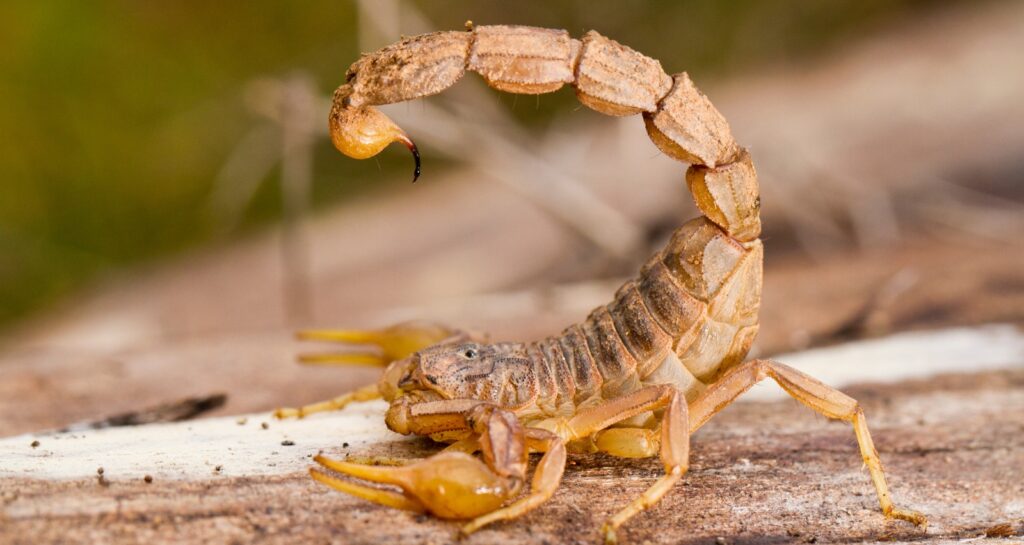
Living in Phoenix means enjoying the beautiful mountain sights, sunsets, and warm weather. But you also get to sight an unexpected neigbors, the Arizona bark scorpion. They are the most common and dangerous pests for every homeowners like you here in the Sonoran Desert. These creatures are quite good at hiding themselves and their stings are really painful. So beware! Summer season and monsoon storms can keep the scorpions hyper. As a resident, it’s important for you to be aware of what they look like. If you are living in areas of Chandler, Ahwatukee, Tempe, and nearby this desert place, this guide is for you. What Are Bark Scorpions? Bark scorpions (Centruroides sculpturatus) are native to the Southwestern United States. They’re particularly notorious in Maricopa County, including Phoenix and surrounding cities. How to Recognize Them: Pale yellow or tan color 2.5–3 inches long Long, curved tail and thin pincers Climbs walls and ceilings Glows blue-green under a blacklight They’re small, but their sting? Anything but harmless. Why Are Bark Scorpions Dangerous? These scorpions are venomous, and their sting can cause: Sharp pain or burning Tingling or numbness Muscle twitching Trouble breathing (in severe cases) While most adults recover quickly, stings can be serious or even life-threatening for: Children Seniors People with allergies Small pets How to Identify a Bark Scorpion Not all scorpions are created equal. Bark scorpions are: More slender than other types Faster-moving Able to climb and hang upside-down Active at night Best spotted using a blacklight flashlight If you spot one indoors or high up on the wall, it’s likely a bark scorpion. Where Do Bark Scorpions Hide? Bark scorpions love cool, dark, undisturbed spaces. Here’s where they typically settle: Indoors: Closets and baseboards Laundry rooms and bathrooms Inside shoes or laundry piles Attics and garages Outdoors: Under rocks, logs, and bark Inside block wall fences Around irrigation boxes or A/C units In planters, storage bins, or wood piles They tend to enter homes after monsoon storms when their nests get flooded. How to Protect Your Home from Bark Scorpions If you’re dealing with bark scorpions in high-risk areas like Chandler, Gilbert, or Ahwatukee, it takes more than just luck to keep them out. It takes a layered strategy that targets where they live, how they get in, and what they’re hiding behind. Here’s a proven game plan that’s helped many Phoenix-area homeowners reduce (and even eliminate) scorpion problems: 1. Use a Professional-Grade Perimeter Spray Products like Cy-Kick CS or MGK Onslaught FastCap are commonly used by pest control professionals. Apply these along the foundation, lower walls, and around the entire yard perimeter every three months. For your first application, it’s okay to double the dosage (within labeled safety guidelines) to really knock back the population. Be sure to include: Base of block walls Exterior vents Around doors and windows Bird boards or soffits (scorpions often crawl into attics) Note: These sprays won’t kill scorpions instantly. It may take several hours to a few days to see results, so be patient and consistent. 2. Spray Indoors Along Baseboards Inside your home, a general-purpose product like Ortho Home Defense can help form a secondary barrier. Focus on: Baseboards in bedrooms and living areas Behind toilets and under sinks Around door thresholds and closets This interior layer helps catch any that sneak past your outdoor defense line. 3. Go Scorpion Hunting with a Blacklight A strong UV blacklight flashlight is your best friend when it comes to finding scorpions, they glow bright blue-green at night. Grab a can of Terro Scorpion Killer, and do a quick night patrol both inside and outside a few times a week: Scan furniture edges, baseboards, and garage corners Check yard rocks, planters, and under patio furniture Use tweezers or a grabber tool to safely remove and kill any you find The more you catch manually, the fewer there are to reproduce. 4. Set Glue Traps Around the House Strategically place sticky traps in: Corners of rooms Behind toilets and washers Garage floor edges Attic access points Glue traps won’t eliminate an infestation, but they’re great for monitoring activity and showing you where scorpions might be entering. When a Bark Scorpion Attack Becomes a Medical Emergency To truly understand the danger bark scorpions pose, it helps to hear from someone who’s lived through the worst of it. A Phoenix resident recently shared on the Reddit community his encounter with an Arizona bark scorpion: “Saturday night I had a good sized Bark Scorpion get in my house. Isolated it under the coffee table & sprayed the perimeter with a good amount of scorpion spray. I ended up inhaling the spray & had an anaphylactic situation. Called 911 & ended up in the ER, then overnight observation. Lots of Atavan, a breathing treatment & Prednisone. My friend cleaned the floor & searched the entire house, moving furniture, etc. Never found the scorpion. I was on the couch for awhile Sunday, Monday, Tuesday & today. Even took a couple of naps there. Tonight I was watching tv and the scorpion must have been hiding in the cushion space or a blanket. I got 3 stings on the back of my right leg and 2 on my left index finger. Saw the damned thing scurry under the coffee table, but I was in no condition to wage war. I had to get my dogs into another room, gulp liquid Benadryl, call Poison Control, make ice packs, etc. This is the most painful insect sting I have ever experienced. It’s like a knife is stuck in me plus burning & tingling. So…question…how do I kill this little creep??? I have called an exterminator and will go to a motel for 2 days with my dogs. (I am afraid id to be exposed to any toxins this soon after having anaphylaxis reaction.) It is fast. I have left every light in the house in so
Summer Pest Control Tips That Work in the Desert
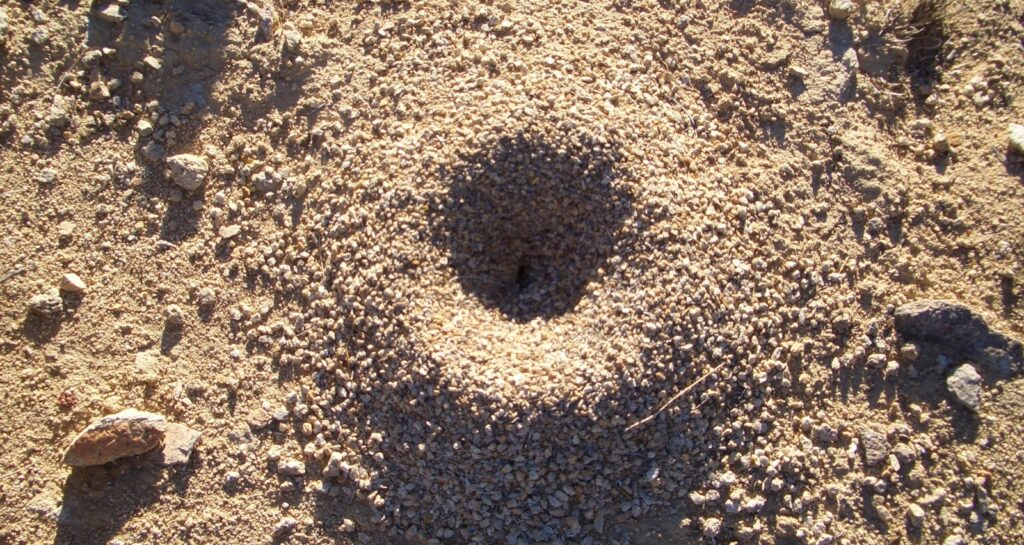
If you are also currently living anywhere in Phoenix or Arizona, you know summer isn’t just hot. They could be hostile, too. It’s crazy how triple-digit heat and sudden monsoon storms can make pests desperate. It’s nothing new to you to hear scorpions on the doorways. Scattered roaches in the bathroom. Mosquitoes multiply in the yard. Now, it makes sense to get a seasonal pest prevention plan when living in desert climates. In this guide, we will explain the actionable steps to control pests during summer. As well as how to treat your home and how professional exterminators can get rid of them. Why Desert Summers Are Prime Time for Pest Problems Phoenix summers create the perfect storm for pest activity. Opposite to the temperate regions, the desert heat doesn’t even kill pests. Instead, it pushes them indoors. Extreme heat encourages pests to seek places for shade and coolness, which is inside your house. Monsoon rains can result in flooding their nests and flushing pests such as roaches and ants. Warm nights keep pests active after dark, including scorpions, mosquitoes, and spiders. Common summer pests in the Phoenix area include: Bark scorpions (most active at night and around block walls or shaded rocks) American and German cockroaches (often found in bathrooms, laundry rooms, and storm drains) Mosquitoes (especially after watering the lawn or a monsoon storm) Ants and spiders (in search of food and moisture) Smart Summer Pest Prevention Tips for Desert Homes Keeping pests out in summer starts with blocking their favorite entry points and making your home less appealing. Seal and Secure Your Home Use caulk or weather stripping to close gaps in windows, baseboards, and door frames. Install door sweeps under entry doors and garage doors. Repair or replace torn window screens. Reduce Moisture Indoors and Out Repair any leaky faucets, irrigation lines, and AC condensation lines. Don’t overwater your lawn; pests love damp soil. Empty pet bowls overnight and clean up the water around the sinks. Tidy the Kitchen & Pantry Keep dry goods in closed containers. Wipe down counters and sweep crumbs regularly. Take the trash out often and use tight-fitting lids. Landscape Defensively Trim shrubs and trees that touch your house; pests use them as bridges. Avoid mulch; opt for gravel near foundations. Clear yard clutter and piles of leaves or debris. Backyard Pest Control During Phoenix Summers Your backyard can be an open invitation if not monitored closely. Here’s how to stop pests from taking over your outdoor space: Switch to yellow outdoor lighting to avoid attracting flying bugs. Keep pet food, birdseed, and compost bins sealed and stored away. Walk your yard weekly to check for ant hills, spider webs, or scorpion hiding spots (near rocks, cool corners, or wood piles). After storms or heavy watering, treat standing water with mosquito dunks. Testimonial from a Local Resident: “Last year, we kept finding scorpions in the backyard near our AC unit. I had no idea they were hiding out in the cool, damp gravel area. Our pest tech from Gilbert explained how the combo of heat and monsoon moisture makes certain spots perfect for them. Since we sealed around the unit and treated it after each storm, we haven’t seen any indoors. It was a total game-changer.” — Melissa K., East Valley Monsoon Season Pest Tips Arizona’s monsoon storms (typically from late June through September) are known for stirring up all kinds of pests. What to Do: Clean out gutters, drains, and puddles around your property. Schedule preventative pest treatments right before and after storms. Watch for termite swarms and roaches in damp areas. Be extra cautious of scorpions in August, when they’re most active. Indoor Summer Pest Protection Even if your home looks spotless, pests love cool, quiet areas. Focus your indoor protection on these high-risk zones: Garages and laundry rooms (especially near water lines) Kitchens and pantries (crumbs and spills = ant magnets) Behind appliances and inside cupboards Attics and closets (common for spiders and silverfish) When to Call a Professional DIY treatments can help, but sometimes, a full-blown infestation needs a professional touch. Call a local pest expert if: You’ve seen multiple scorpions or roaches inside within a few days. Pest sightings continue even after sprays or traps. You find termite mud tubes, droppings, or unexplained wood damage. Rodents show up around trash bins or AC units. Don’t Let Desert Pests Ruin Your Summer Fun! Don’t let desert pests ruin your ideal summer. These unwanted guests can’t crash your outdoor and family gatherings. Get ahead of the problem now. Call a trusted pest control expert to solve the problem for you. Book a summer inspection with us on Spark Pest Control, and let us do the rest. Relax and enjoy the Arizona summer without anything bothering you. After all, this desert has so much to offer, and we want to help you make the most of it. Frequently Asked Questions 1. Why are there more pests in my home during summer in Arizona? Phoenix summers are brutally hot, and pests don’t like it any more than we do. Bugs like scorpions, roaches, and ants head indoors looking for cooler temps, water, and food. Your air-conditioned home becomes a five-star resort for desert pests if you’re not sealing up entry points and treating them proactively. 2. When does summer pest activity usually start in Phoenix? Pest activity can increase without you even noticing it during the beginning of May. Then, starts to surge between June and August. They can be triggered when the temperatures can hit 100s. On the other hand, some bugs only appear aggressive when monsoon ends. That is usually during late June. 3. What pests are most common during Phoenix summers? The most frequent summer invaders include: Bark scorpions American and German cockroaches Mosquitoes Sugar and pavement ants House spiders and silverfish They’re driven inside by
The Ultimate Guide to Seasonal Pest Treatments in Phoenix
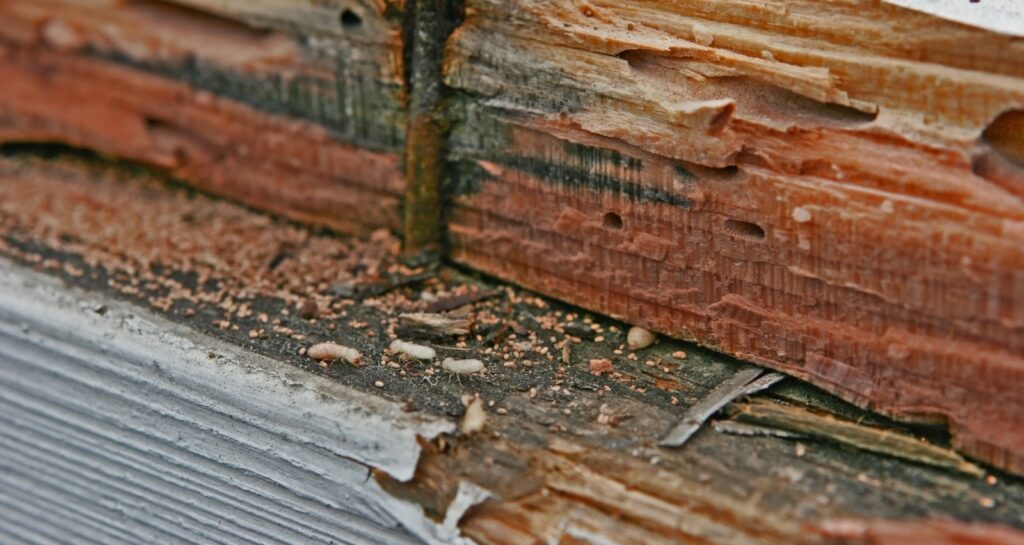
Phoenix is known for its stunning desert views, blue skies, and year-round sunshine. But ask any longtime homeowner, and they’ll tell you: that same beautiful climate also brings a nonstop cycle of pest problems. Unlike colder parts of the country where bugs disappear in winter, pests in Phoenix are always active. Between the scorching heat, monsoon storms, and mild winters, pest control here isn’t seasonal, it’s strategic. Each time of year brings a new wave of invaders, and knowing what to expect (and when) is key to staying ahead. That’s where this guide comes in. We’ll walk you through a season-by-season breakdown of pest activity in Phoenix, which pests to watch out for, and the most effective treatments for every part of the year, all based on local experience and Arizona-specific climate patterns. Why Seasonal Pest Treatments Matter in Phoenix Phoenix isn’t like other cities. Our desert climate creates ideal conditions for bugs and rodents all year long. In summer, extreme heat pushes pests indoors looking for moisture. Monsoon storms in late summer bring flooding and trigger insect swarms. Mild winters don’t slow down pests, they just relocate into attics, garages, and kitchens. If your pest control routine isn’t adjusting with the seasons, you’re always playing catch-up. A seasonal pest treatment plan gives you the advantage of timing, precision, and prevention. Spring Pest Trends and Treatment Plans (March–May) As Phoenix starts to warm up in early spring, pests wake up and start spreading, especially termites, ants, and scorpions. Most Common Spring Pests: Termite swarmers (especially after early rain) Pavement ants and Argentine ants Bark scorpions begin appearing around foundations and block walls Best Treatments: Preventive perimeter sprays around the base of the home Moisture management in soil and crawlspaces Spot treatments inside wall voids, under sinks, and entry points Testimonial: “After two years of surprise termite swarms, I finally booked spring treatments. Spark found early signs I didn’t even notice.” — Rachel T., Chandler, AZ Summer Pest Surges and Heat-Driven Infestations (June–August) When temperatures hit triple digits, pests like scorpions, cockroaches, and mosquitoes become relentless. They move fast and straight into your home. Most Common Summer Pests: Bark scorpions, often entering through air vents and under doors American cockroaches in bathrooms, laundry rooms, and garages Mosquitoes in shaded areas and near standing water Best Treatments: Full yard and foundation barrier treatments Granular insecticide around the perimeter Eliminate standing water and apply mosquito dunks to fountains or birdbaths Monsoon Season Pest Explosion (July–September) When the storms roll in, they bring more than rain. Monsoons flood bug burrows, increase humidity, and force pests indoors in search of safety. Most Common Monsoon Pests: Termites (second swarming phase) Cockroaches flushed from drains and sewers Scorpions fleeing flooded nests Mosquitoes multiplying in standing rainwater Best Treatments: Post-storm inspections and touch-up sprays Apply larvicide in standing water Check doors, foundation cracks, and baseboards for pest access points Fall Pest Activity and Indoor Migration (October–November) Fall in Phoenix is a signal for pests to start nesting indoors before winter sets in. Rodents and spiders are especially active during this time. Most Common Fall Pests: Roof rats and house mice nesting in attics Crickets and spiders moving inside Ants in search of warmth and moisture Best Treatments: Rodent bait stations in garages and rooflines De-webbing around doors, eaves, and light fixtures Interior dusting treatments and wall void monitoring Winter Pest Monitoring and Indoor Control (December–February) You may not see them as much, but winter is when pests hide out of sight in warm, dark corners of your home. Most Common Winter Pests: Roof rats chewing wires in attics German cockroaches nesting near appliances Spiders and silverfish in storage areas and pantries Best Treatments: Interior inspections and baiting Seal entry points in foundation and roof Service call to renew your yearly pest plan Stop Seasonal Pests Before They Start. Contact Spark Pest Control Now! You already know Phoenix pests don’t take a vacation, so why should your protection? Name it from scorpions during summer, occurence of termites in spring, or roof rats in winters. Arizona pests knows how to deal with the season, and so our pest control plans. At Spark Pest Control, we don’t do one-size-fits-all treatments. We create custom seasonal pest protection plans based on your neighborhood, home structure, and the real-life pest patterns we’ve seen across the Valley. Contact us now or get your free quote today! Frequently Asked Questions 1. Do I really need pest control year-round in Phoenix? Yes. Phoenix’s climate allows pests to stay active in every season. The harsh summers, humid monsoons, and the mild winters can’t deter pests. Scorpions, termites, roaches, and rodents will can persist throughout the year. Having a seasonal treatment can guarantee a matching prevention. 2. What pests are most active in Phoenix during the summer? When summer time comes, the most active pests are scorpions, cockroaches, and mosquitoes. The heat, drought, and needing for water is their primary reason for searching indoors. That’s why barrier treatments and moisture control are crucial during this time. 3. How does monsoon season affect pest activity? Monsoon storms in Phoenix bring flooded nests, high humidity, and standing water. All of which push pests indoors and trigger rapid insect breeding. You’re likely to see spikes in roaches, mosquitoes, termites, and scorpions after heavy rain, especially in July through September. 4. What is the best time to treat for termites in Phoenix? Spring and late summer are the most active times for termite swarms in Phoenix. These are the months when termite reproductive swarms are common. A spring termite
Year-Round Pest Prevention Plan for Phoenix Homeowners
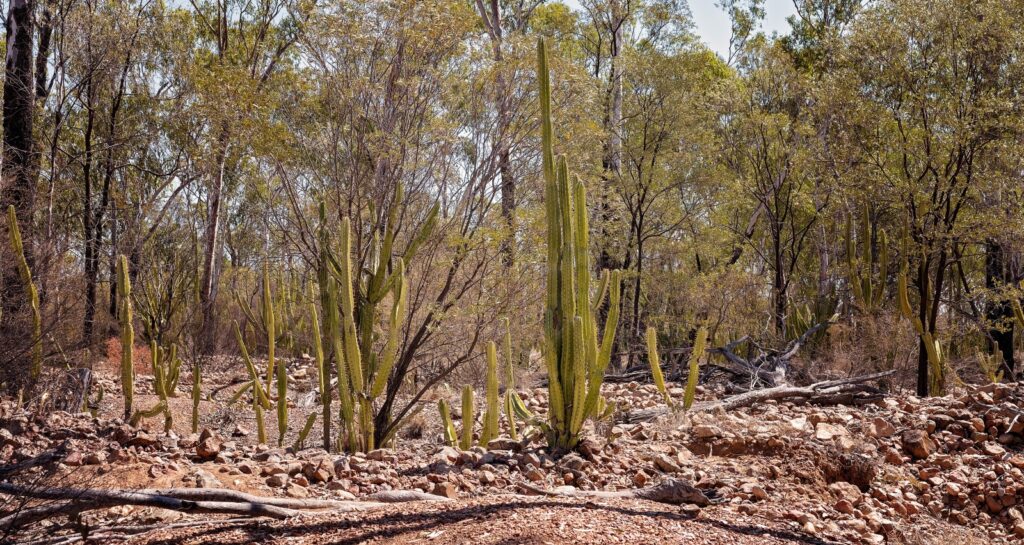
Phoenix would be incomplete without the warm skies, cactus, and mild winters. But so as with dealing with never-ending pests. Starting from the scorpions up to the presence of roof rats during fall. You see, all the pests in Arizona have particular seasons. If you are a homeowner living in Phoenix, you need pest control all year long. The desert climate can change from summer to monsoon storms to warm winters. All these are a breeding environment for bugs, rodents, and other insects. In this guide, we will explain effective Phoenix year-round pest control and how experts can help you. Why Year-Round Pest Control Is Essential in Phoenix Many homeowners think that pest control should only be done in summertime. But that’s not true. Maybe, for other states, it is applicable, but not here. Phoenix’s climate makes pest activity a 12-month problem. Arizona’s Mild Winters Keep Bugs Wide Awake In other places, particular insects such as bugs can slow down when temperature decreases. But it’s totally different in Phoenix. The cold here can be 60°F. It is still encouraging for roaches, spiders, and mice. Rather than causing them to be dormant, they stay and move indoors. Monsoons Trigger Pest Surges Monsoon season in Phoenix starts around June to September when rain and humidity are expected. And so, as the spike in pest populations. Termites swarm, mosquitoes hatch in standing water, and scorpions flee flooded nests and find shelter in your home. Heat Drives Bugs Inside Summer heatwaves push pests to seek cooler environments. That usually means inside your home, especially where there’s air conditioning, moisture, and food. “We only treated for pests once a year and kept getting roaches. Since switching to a year-round service, we haven’t had a single problem.” — Mark S., North Phoenix A Month-by-Month Breakdown of Phoenix’s Pest Seasons Understanding how pest activity changes by season can help you stay one step ahead. January–March: Quiet on the Outside, Busy Inside You can find rodents, spiders, and cockroaches hiding in your attics, garages, and crawlspaces. They want a cool place, and they don’t want you to even notice them. April–June: Spring Awakening Ants, termites, and scorpions start reappearing. Termite swarmers show up after early rain, and ant trails lead right into kitchens. July–September: Monsoon Mayhem Heavy rains bring out mosquitoes, roaches, scorpions, and even centipedes. Flooded nests and high humidity boost breeding activity. October–December: The Great Indoors As outdoor temps drop, pests like roof rats and spiders look for shelter. Rodents become especially active in attics and garages. What Should Be Included in a Year-Round Pest Control Plan? Not all pest control is created equal. A truly effective year-round plan should do more than just “spray and go.” Interior & Exterior Treatments The pest control approach that you should get must be aligned with the season to make it effective. When cooler months come, you must focus on the inside of your home. When summertime or springtime comes, make sure to have protective treatments outside your house. And when the monsoon comes, you should pay attention to your yard, home exterior, and foundation. The pests can be crazily populating there. Specialty Services as Needed Professional visits every 60 to 90 days help catch early signs of infestations and apply seasonal treatments before problems start. Scorpion sealing, rodent exclusion, and termite monitoring stations are essential add-ons for many Arizona homes. Traps, baits, and moisture checks help prevent pests before you even notice them. Proactive Home Maintenance Tips for Year-Round Pest Prevention Even the best pest control plan works better when paired with smart home habits. Here’s what Phoenix homeowners can do between visits: 1. Use natural repellents and barrier. Did you know that most pests don’t like to smell any mint or peppermint? You can have them at home. Scented granules can also keep them away. The good thing about it is that it is safe for both pets and children. No need for any extra chemicals. In addition, you can also use certain plants as pest deterrents. For example, marigolds can help repel bugs, slugs, snails, and even deer (though results may vary). Garlic is another effective option, repelling mosquitoes and ticks (perhaps because, like vampires, they’re repelled by garlic!). Garlic is also easy to grow, thrives in sandy soil, and requires minimal maintenance (though it does need plenty of sun). 2. Get helpful pets and keep the house clean Consider getting cats to help control rodent populations. You can put birdhouses and bat houses in the yards. Why? Because both birds and baths like to eat many insects. This can work for deterring roaches, termites, and spiders. Not only that but the cat as well! They can keep your house rodent-free for a year. Keeping your house always clean can really help. Just make sure not to leave pet or human food outside. If possible, store firewood away from your house. Reduce the clutter, and you’ll see a slight improvement. 3. Secure house structure Raising your home slightly above ground level can significantly reduce pest problems. A crawl space or basement with two to four steps up is often enough to deter many pests. Avoid direct wood-to-ground contact; a 12-inch concrete or block foundation before the wood framing begins makes it harder for insects to burrow into your home. Choosing the Right Pest Control Partner in Phoenix Local Knowledge Is Everything Desert pests are different. You need a company that knows how Arizona pests behave, where they hide, and how weather impacts them. Licensing & Treatment Safety Make sure your provider is licensed, insured, and uses family-and pet-safe products that are effective and eco-conscious. Custom Plans Work Better One-size-fits-all sprays don’t cut it here. Spark Pest Control builds custom plans based on your home’s needs, not just a schedule. Don’t let pests control your seasons. Take control with Spark. It’s time to bid farewell to
How Arizona’s Climate Fuels Pest Infestations

Arizona’s desert landscape is stunning, with endless skies, golden sunsets, and cactus-covered horizons. The winter season might be a good break from persistent bugs, but that’s not all. You name it from the heat, drought, and sudden storms. All of these create unexpected pest problems. If you have been living here for over a year, it’s nothing new to see infestations. Worry no more! In this guide, learn how Arizona’s climate fuels pest infestations. Discover how climate triggers pest infestation, including the seasonal pest trends and the proven tips to keep them away. What Makes Arizona’s Climate Prone to Pest Infestations? Arizona’s weather is unlike anywhere else, and pests love it for the same reasons we often do. Dry Heat Drives Pests Indoors When summertime knocks in, they can cause unwanted disturbance for scorpions, ants, and cockroaches. Due to this, they would look for palaces with humidity. Where do you think they can find it? Of course, at your very own house. Any openings under doors or walls can serve as their entry. So, watch for heatwaves because pests are also rising. Monsoon Season Wakes Bugs Up Now, let’s talk about what monsoon season can bring. This season is occurring every June through September. The high winds it can cause, as well as heavy rains, can cause disturbance to pests. These sudden changes in humidity are quite unpleasant for them. It awakens every single dormant bug. It can cause flooding underground nests. Most of all, it will end up triggering their breeding cycles. Who are these insects? The mosquitoes and termites. Warm Winters Mean Year-Round Activity Suppose colder states can cause insects to become dormant, but not in Arizona. When the mild winter season approaches, the pests suddenly become active. They are most likely indoors this time, at your home. Let’s name who they are, starting from rodents, spiders, and roaches. Be careful because they like to nest in isolated corners. Seasonal Pest Infestations in Arizona Understanding when pests are most active can help you prevent issues before they start. Spring (March-May): The Wake-Up Call Termite swarmers begin to appear after early rain Ants become active and start entering kitchens Flying insects like gnats and mosquitoes begin to hatch Summer (June–August): Pest Peak Scorpions are highly active in the dry heat Cockroaches seek out water indoors Mosquitoes spike after monsoon rains Fall (September–November): Moving Indoors Rodents, spiders, and crickets start nesting inside Bugs follow moisture from outdoor leaks or landscaping Desert pests migrate from drying environments to homes Winter(December–February): Hidden Infestations Roof rats and mice take shelter in attics and garages Cockroaches and spiders thrive in warm kitchens and bathrooms Silverfish and termites remain quietly active indoors “I used to think bugs only came out in the summer. Then, we had termites in March and roof rats in December. Arizona pests don’t take a season off.” — Michelle D., Glendale, AZ How Monsoon Season Impacts Arizona Pest Infestations When moon season finally occurs, the pest can be out of control. It can also have a sudden impact on every homeowner like you. Flooding Forces Pests Into Homes The consistent and heavy rain can flood burrows and this particular pest. Namely, the ants, roaches, and spiders can go out of whack. It pushes them to scramble for higher and higher ground. This is why your house is always on the target. Rain Triggers Breeding Cycles Mosquitoes lay eggs in standing water left behind by storms. Termites, too, begin swarming to form new colonies once the ground is damp and warm. Humidity = Happy Bugs Most insects thrive in humidity. The sudden rise in moisture after months of dry heat supercharges breeding and leads to noticeable surges in activity. How Arizona’s Weather Shapes Pest Infestations Desert pests aren’t just tough; they’re smart and adaptable, and they’ve evolved to work with the climate, not against it. Scorpions Thrive in Dry Heat Scorpions love rock landscaping, block walls, and shaded corners. During dry months, they hunt for water indoors, often slipping through baseboards or air vents. Roof Rats Climb and Nest Above These pests use palm trees, overhanging vines, and even power lines to reach rooftops and attics. Once inside, they chew wires, nest in insulation, and multiply quickly. Roaches and Ants Follow Moisture With water hard to find outdoors, pests track down leaky pipes, pet water bowls, or damp basements, especially in older homes. Smart Pest Infestation Prevention for Arizona’s Climate The key to staying ahead of Arizona pests? Stay proactive, not reactive. Seasonal Repair Cracks, vents, and gaps need to be sealed before pests find them, especially ahead of monsoon season or a heatwave. Moisture Management Fix leaks, monitor irrigation, and don’t let standing water linger around the yard or under sinks. Keep Things Clean & Trimmed Yard debris, overgrown plants, and leaf piles can harbor pests. Keep things tidy to reduce hiding spots. Don’t Let Arizona Pest Infestations Takeover Your Home! Don’t wait until bugs show up. A consistent treatment schedule, especially one tailored to Arizona’s climate cycles keeps your home safe. Arizona’s climate is tough, but your home doesn’t have to be vulnerable. At Spark Pest Control, we specialize in local pest prevention built for the desert. Book your custom year-round plan today and stay pest-free, whatever the weather. Frequently Asked Questions 1. Why does Arizona have pest infestations all year long? The warm desert climate of Arizona isn’t similar to other states. It cannot slow down the activity of every pest. The temperatures can stay mild even in winter times. Examples of active pests are bugs, scorpions, roaches, and rodents. In addition, dry conditions and seasonal monsoons encourage them to go indoors. 2. Which pests are most common during the summer in Arizona? Summer in Arizona can cause pests to fluctuate. Namely scorpions, cockroaches, mosquitos, and ants. Too much heat can drive pests indoors to search for cool and moisture. This is why
Phoenix’s Most Common Household Pests by Season

Phoenix: It’s breathtaking, right? Those endless blue skies, the majestic saguaros. But let’s be real, living here has its quirks. One of them? The never-ending parade of uninvited houseguests. Seriously, you’d think paradise would be pest-free, but nope. Spring brings the ants; summer’s all about those sneaky scorpions, and fall and winter? Rodents. It’s like a revolving door of creepy crawlies. This guide is a survival kit for every Phoenix household’s most common pests by season. We’ll break down the most common pests, season by season, and show you how to handle them (and how a pro can help). Why Phoenix’s Climate Encourages Common Pests Phoenix’s desert ecosystem is like no other. The intense heat, monsoon rains, and mild winters create ideal conditions for pests to thrive and to do so year-round. Phoenix’s Extreme Temperatures In summer, triple-digit heat drives pests indoors, looking for water and cooler temps. Homes with air conditioning, water leaks, or shady spots become perfect hiding places. Monsoon Season (July–September) During these months, Phoenix experiences intense monsoon storms. The heavy rains lead to a spike in mosquito populations, stir up insect colonies, and push many pests to seek shelter indoors. Microclimates Matter for Pest Season Even within the Phoenix metro area, local conditions vary. Neighborhoods with more irrigation, mature landscaping, or poor drainage attract pests in different ways. For example, what’s common in Arcadia may be totally different from what someone experiences in Goodyear or Anthem. Spring Pests in Phoenix (March-May) When the temperature starts warming up again, it signals the dormant pests to be alive again. Most of them are hiding underground and wall voids during winter. Ants Spring is the most favorite season by ants. The common ants appearing this season are the argentine ants and fire ants. You can easily find them around your kitchen corner, pantries, or even outdoor patios. Termite Swarmers These winged termites emerge in spring, especially after rain. Their presence usually means a nearby colony and should be taken seriously. Wasps & Bees As flowers and plants start to bloom, wasps and bees begin nesting under eaves, inside sheds, or within wall cavities. Summer Pests in Phoenix (June – August) This is the peak season not only in Phoenix but the entire Arizona as well. This is where insects seek refuge because of heat and monsoon rains. Let’s not forget that dry conditions also affect these insects, making them find their way to your home. Scorpions Bark scorpions are anywhere around Phoenix. They are creatures who are really active at night. This activity also allows them to easily sneak into your homes. They do it by simply looking for available cracks, vents, or portals. These give them chances. Cockroaches The two common cockroaches around Phoenix are American and Turkestan cockroaches. They live well in sewer lines, garages, and kitchens. You can also see them hiding around your bathroom or near drains. Mosquitoes When the monsoon rain ends, it creates a place for mosquitoes. Standing water is the prime breeding territory for every mosquito. Their number can grow from July onward. Crickets They may seem harmless, but crickets attract scorpions and reproduce quickly. Plus, their nonstop nighttime chirping can drive you crazy. Fall Pests in Phoenix (September-November) Temperatures drop and send pests searching for cozy indoor hiding spots. The erodents and spiders find this season as the season for searching a good shelter. Rodents The number one house mice that will sneak into your house are the roof rats. They find their way through your attics, garages, and kitchens. They’re good at climbing so it’s easy for them. The trees are their favorite spot for entering your property. Spiders The most active spider this season is the Black Widows. They are more active, and they are visible to spot. On the other hand, they prefer dark and undisturbed areas. These are storage bins, sheds, and patio furniture. Insect Migration As the vegetation of the desert dries out, of course, there’s is a shift in temperature. Due to this, many outdoor insects will transfer to another place. This could be your home where there’s food, moisture, and shelter to offer. Winter Pests in Phoenix (December – February) You might think pest problems disappear in winter, but that’s far from the truth in Phoenix. Winter is the best time for proactive pest control. Since activity is lower, it’s easier to break breeding cycles and reduce spring infestation. Rodents They stay active. Once inside, rodents stay busy all winter, nesting in insulation, chewing wires, and contaminating food. Overwintering Insects Pests like stink bugs, boxelder bugs, and even roaches hide in attics, closets, and garages until spring. Seasonal Surge in Phoenix The seasonal surge in roach activity in Phoenix is putting landlords under increasing pressure as tenants demand more proactive pest control measures. One resident’s recent experience, marked by months of sightings followed by a significant increase despite professional treatment, has sparked outrage and calls for greater accountability from property owners.”The leasing agent has never had a sense of urgency on the matter,” the resident shared this on Reddit, highlighting the frustration with the lack of response from management. The quote continues: “I’m from the south and have lived in complexes before and have never had issues with roaches…But the people I’ve talked to around here just kinda shrug it off as if it’s not that big of a deal.” This shows the unique challenges and differing perspectives on pest control in the Phoenix area. Home Maintenance in Phoenix Tips to Keep Pests Out The easiest way to make sure your home is free of pests is by having basic home upkeep. You have to start by filling every single small opening you can find. Never let any gaps around window frames, door edges, or baseboards have openings. Or else these tiny bugs and critters can sneak in. Another thing to note is you have
Why Pest Problems Surge After Monsoon Season in Arizona

Every year presents a new kind of challenge for every homeowner across Phoenix, Tucson, and other Arizona cities. The sudden increase of pests is visible during monsoon season. Roaches, ants, termites, scorpions, they all come out of hiding. The quick change of humidity and the combination of heavy rains results in unwanted pests. They prefer to invade homes, but you don’t need to suffer because of them. In this guide, we’ll explain the reason for the surge of pest problems in Arizona every monsoon season, including the type of pests and ways to protect your home during this cool season. Why Pest Activity Spikes After the Rain Right after a monsoon storm, many pests are displaced, agitated, or triggered to breed. Here’s how different conditions lead to increased infestations: Flooding Flushes Out Pests Heavy rain floods underground colonies of ants, termites, and spiders. These bugs instinctively seek higher, drier ground, which is often your home. Moisture Wakes Up Dormant Insects Many pests, like termites, stay inactive in dry conditions. Once moisture is introduced, they become active and start searching for food sources, like wood in your walls. Cracks Become Gateways Strong winds, flash flooding, and structural shifts can crack foundations, unseal vents, or damage windows. These cracks serve as open doors for pests looking to escape the chaos outside. Standing Water Breeds Mosquitoes In Arizona, it takes just a few days for mosquito larvae to hatch in standing water. Bird baths, clogged gutters, or puddles from storm runoff can become full-blown mosquito colonies. Most Common Pests After Arizona Monsoons Here’s a breakdown of the top pests that come out in full force after the rain: Scorpions When the storms are active, so are the bark scorpions. They are anywhere around your neighborhood and might be hiding under rock landscaping or trees. They easily crawl into your garages and sink to seek prey and shelter. Cockroaches Flooding pushes American and Turkestan cockroaches out of sewers and into homes. You’ll find them near drains, baseboards, or hiding under appliances. Ants Their colonies can collapse when it is monsoon season again. This, in turn, displaces them, causing the unfortunate ants to search for safety. They are anywhere around kitchens, bathrooms, or even baseboards. Mosquitoes Anywhere water collects, mosquitoes follow. They can be all over the pools, pots, toys, and even puddles. All of these are their potential breeding zones just within 48 hours after a storm. Termites Moisture from rain triggers termite swarms, especially in older homes or those with untreated wood. You may see flying termite “swarmers” near windows or light fixtures. Arizona’s Desert Climate Makes Pest Control Tough What makes pest control extra challenging in Arizona is the rapid climate shift between dry heat and sudden moisture. Rapid Weather Shifts Pests are already adapted to survive extreme conditions. When rain arrives, they multiply faster, and they move fast, often before you’ve had time to respond. Over-Irrigated Lawns & Landscaping Ironically, lush lawns and shaded patios make homes even more inviting to pests. Moist soil, mulch beds, and garden clutter give bugs a perfect place to thrive post-storm. Homeowner Testimonial “I always thought summer was the worst time for bugs, with the heat driving everything inside. But after that first big monsoon storm, it was like my house turned into a magnet for pests. Within days, I was seeing roaches in the bathroom, ants in the pantry, and even a centipede in the laundry room, and I’d never seen one of those before in my life! It really caught me off guard. I didn’t realize how much the rain could stir everything up. Now I know better. I get my home checked right after the first storm every year.” — Trisha L., Gilbert, AZ How to Prevent Post-Monsoon Pest Infestations Want to stop pests before they start multiplying? Here are expert-recommended steps to protect your home: Patch It Up Fix cracks, gaps, and damaged screens right after the storm. This prevents easy access points for scorpions, roaches, and ants. Remove Standing Water Dump out water from buckets, pots, toys, gutters, and birdbaths. Even tiny puddles can breed hundreds of mosquitoes in days. Clean Up the Yard Trim back bushes, clean up leaf piles, and keep mulch away from your home’s foundation. Overgrown vegetation becomes a bug magnet after rain. Don’t Let Monsoon Pests Take Over. Spark It Before It Starts! At Spark Pest Control, we’re not just another pest company. We’re your neighbors who know exactly how Arizona pests behave after a storm. We live here, too. We know how quickly scorpions, roaches, and termites appear once it’s rainy season. Our expert team knows how they keep their track and can help you stop that. With a fast, reliable post-monsoon inspection. Family and pet-safe treatments. Local techs who truly understand desert pests. Give us a call or book online. We’ll take it from here. Frequently Asked Questions 1. Why are there more bugs after monsoon season in Arizona? When monsoon rains hit, they flood insect nests, shift soil, and create extra moisture, which forces pests out of their hiding spots and often into homes. On top of that, the sudden humidity after months of dry heat triggers many pests to start breeding, which leads to a big surge in activity within days of a storm. 2. What pests should I expect to see after a monsoon storm? The most common pests occurring during monsoon storms are scorpions, cockroaches, ants, termites, and mosquitoes. They are usually flushed out of the ground or are searching for moisture left behind. It’s not unusual to see several types of bugs show up at once after just a single big storm. 3. How quickly can pests show up after it rains? Very quickly in some cases, within 24 to 48 hours. Cockroaches and ants can appear almost immediately as their nests flood, while mosquitoes can begin to hatch
Winter Pest Activity in Phoenix Homes

Phoenix may not see snow-covered streets or frozen pipes in the winter, but that doesn’t mean pests take the season off. In fact, our mild desert winters are part of the reason pests stay active here year-round, and for many homeowners, winter brings a different kind of infestation problem. While many people associate bugs and rodents with the hot summer months, pests like roof rats, cockroaches, and spiders often become even more of a problem in colder weather. Why? As the temperatures drop (even slightly), pests start looking for warm, sheltered places to nest, and homes in Phoenix offer exactly that. If you’ve ever thought, “At least I don’t need pest control in winter,” you’re not alone, but you’d be mistaken. In this post, we’ll break down Which pests are active during Phoenix winters. Why they move indoors, how our unique climate affects pest behavior. What you can do to stop them from making themselves at home Why Pests Stay Active During Phoenix Winters You might think bugs die off or go dormant in the cold, but in Phoenix, the “cold” isn’t cold enough to shut down pest activity. ● Mild Temperatures Keep Pests Awake Unlike northern states where freezing temperatures send pests into hibernation, Phoenix winters stay mild, usually in the 50s or 60s. These temperatures are just warm enough for many insects to remain active. Rather than disappearing, pests like bugs may only slow down slightly. Rodents, in particular, thrive in these milder winter conditions. ● Indoor Spaces Become Inviting As temperatures drop outside, pests begin searching for warmer shelter, often inside your home. Common winter invaders include roof rats, silverfish, and cockroaches. These pests typically hide in garages, attics, pantries, and basements. Indoors, they find everything they need: warmth, food, and nesting spots. ● Dry Outdoors Push Pests Inside Desert winters can be extremely dry, reducing natural water sources outdoors. Pests move inside in search of moisture from places like leaky faucets, pet bowls, and bathroom sinks. Even small sources of water can be enough to attract a variety of pests. Common Winter Pests in Phoenix Homes Even though we aren’t battling snowstorms, winter is one of the busiest seasons for indoor pest activity here in the Valley. ● Rodents (Roof Rats & Mice) Rodents thrive during Phoenix winters as they search for warmth and food. As fruit trees drop produce and temps dip, rats and mice head indoors. They often nest in insulation, chew through electrical wires, and contaminate pantry goods. Many infestations go unnoticed at first due to their stealthy behavior. ● Cockroaches Both American and German cockroaches remain active throughout the winter. Kitchens and bathrooms offer them the warmth and humidity they crave. They tend to hide in dishwashers, under sinks, and even in shower areas. These environments make your home an ideal year-round refuge. ● Spiders Black widows and recluse spiders often settle in garages, basements, and storage areas. Winter clutter, like boxes and holiday decorations, provides excellent hiding spots. They prefer dark, undisturbed corners where they won’t be noticed. ● Crickets & Silverfish Crickets can become a nighttime nuisance with their constant chirping indoors. Silverfish feed on paper, glue, and pantry items, causing unexpected damage. Both pests seek warmth and moisture inside homes during the cooler months. ● Termites Subterranean termites don’t hibernate in Arizona’s climate. Though activity may slow, they remain active underground and inside walls. They continue feeding on wood, posing a year-round threat to homes. “I thought pests disappeared in winter, but we had mice chewing through pantry boxes and cockroaches showing up near the sink — and that was in January!” — Stephanie M., Central Phoenix Why Phoenix Homes Attract Winter Pests Even the cleanest homes can attract winter pests. Often, it’s about access and opportunity, not mess. Small Gaps = Big Invitations Pests don’t need a wide-open door. A hole the size of a dime is enough for a mouse, and tiny cracks around windows or under doors can let in roaches and spiders. After summer heat causes expansion, cooler weather often causes materials to contract, widening those entry points. Indoor Food & Water Pet bowls, crumbs, and standing water in sinks all of these attract pests when outdoor resources dry up. Seasonal Clutter The holidays bring in more boxes, cardboard, and stored decorations aka nesting paradise for rodents and insects who love dark, undisturbed spaces. Less Food Outdoors = More Pressure Indoors As outdoor plants and fruits become less abundant, pests follow their instincts and their stomachs inside. How Winter Pest Control Differs from Summer Treatments Pest control isn’t just a summer job and what works in July won’t always work in January. Interior Focus Winter pest control targets attics, crawlspaces, baseboards, and wall voids rather than outdoor treatments. Interior applications are more detailed and proactive during winter months. Inspection Is Key We prioritize entry points, hidden nests, and moisture-prone areas like behind washing machines or under kitchen cabinets. Why Year-Round Plans Matter Desert pests are incredibly resilient. Having a year-round pest control plan ensures you’re protected from the shifting activity of each season, not just summer swarms. Who You Gonna Call? Spark Pest Control! Don’t be fooled by mild weather. Phoenix homes are still vulnerable to winter infestations, and in many cases, indoor pest activity actually increases in cooler months. You name it, from roof rats hiding in your attic to cockroaches having a great time on your bathroom cabinets. They make your home their home, which doesn’t sound good. You need year-round pest control and proper seasonal awareness to stop them away. Ready to protect your home from winter intruders? Here at Spark Pest Control, we combine local knowledge with seasonal strategies to keep pests out! If there’s something inside your house, (just make sure they are pests). Don’t hesitate to contact us immediately, and we’ll be there to eliminate them. Frequently Asked Questions 1. Are pests really