
Termite Inspection Checklist for Homebuyers in Phoenix

You found your dream house in Phoenix. The curb appeal? Perfect. The kitchen? Gorgeous. The backyard? A future oasis. But have you checked for termites? Yeah, we know. It’s not the most glamorous part of home buying. But here’s the thing: termite damage in Arizona is real, and skipping this one step could cost you thousands (seriously, thousands) down the road. So, before you fall in love with that desert gem, let’s make sure it’s not secretly crawling with trouble. In this post, we’ll walk you through a Phoenix homebuyers termite inspection, questions to ask, what happens if bugs are found, and true stories from Phoenix homebuyers who dodged disaster. Why Every Phoenix Homebuyer Needs a Termite Inspection In Phoenix, termites are just part of the deal. Thanks to our warm, dry climate, subterranean termites thrive here and they don’t discriminate between old fixer-uppers and sparkling new builds. Here’s why skipping a termite inspection in Phoenix is like driving on I-10 without checking your tires: They’re silent. You won’t hear termites munching through your walls. They’re sneaky. Damage can hide behind paint, under floors, or inside beams. They’re expensive. Repairs can range from a few hundred bucks to over $10,000, especially if the structure is compromised. They’re common. Most real estate agents in Phoenix recommend termite inspections, and some lenders require them before closing. The bottom line? A $75 termite inspection could save you more than just money, it could save you from heartbreak. The Ultimate Termite Inspection Checklist for Phoenix Buyers Okay, now let’s get into the good stuff. Here’s what you (and your inspector) should look for during a termite inspection: Mud Tubes Look for these pencil-width dirt tunnels along the foundation, inside garages, or on crawl space walls. They’re highways for termites traveling from soil to wood. Hollow-Sounding Wood Knock on baseboards, door frames, or wood paneling. If it sounds like tapping on a drum, termites may have tunneled through. Blistered or Bubbling Paint Moisture from termite activity can cause paint to look warped or bubbled. Termite Droppings (Frass) Drywood termites leave behind tiny, wood-colored pellets near infested areas. Discarded Wings Swarmers (reproductive termites) drop their wings when they find a nesting site. If you see little wings in corners or window sills, it’s time to call a pro. Cracked or Warped Wood Look for unusual cracks or sagging wood in flooring, window sills, or attic beams. Moisture Issues Termites love damp wood. Your inspector should check for leaks, plumbing issues, or poor drainage that could attract them. Treatment History Ask for any termite treatment documentation, warranties, or past inspection reports. Complete Interior & Exterior Inspection A proper termite check isn’t just a walk-through. It includes attics, basements, garages, landscaping near the foundation, and inside cabinets and closets. Questions to Ask Your Termite Inspector This is your future home, don’t be shy. Ask your inspector these before and during the visit: Are you licensed in Arizona for termite inspections? What type of termite species do you typically find in this area? Will you be checking the attic, crawl space, and garage? Do you provide a detailed report with photos? What happens if you find active termites? Is there an existing treatment warranty on this property? Can you explain the difference between damage and risk? Pro Tip: A legit inspector will welcome your questions. If they brush you off, that’s a red flag. A Buyer Story: How a Termite Inspection Saved Alex $9,000 Let me tell you about Alex, a first-time buyer in North Phoenix. He found a charming 1970s home that checked all his boxes, a cactus garden, open kitchen, even a cute reading nook. During the general home inspection, the inspector suggested a termite check. Alex booked a licensed pest control company, and sure enough termites had been partying in the attic beams. Not only that, but the inspector found evidence of previous damage that wasn’t disclosed. Alex worked with his real estate agent to request seller-paid repairs and a full termite treatment. The sellers agreed. That one decision? Saved Alex over $9,000 in structural repairs and gave him peace of mind before moving in. “Our inspector found termites we never would have seen. That one hour saved us a lot of regret.” – Lisa T., Scottsdale What to Do If Your Termite Inspection Comes Back Positive Don’t panic. In Phoenix, this is more common than you think, and it doesn’t mean your dream home is ruined. Here’s what to do: Ask the seller to treat the property and provide a transferable warranty. Get a second opinion if needed. Another company may spot more or give you a better deal. Negotiate. You might be able to get a credit, price reduction, or repairs handled before close. Evaluate the damage. Ask if the infestation is active and whether the damage is structural or cosmetic. Consider walking away if the seller refuses to fix it or if the cost outweighs the home’s value. How Much Does a Termite Inspection Cost in Phoenix? Here’s the good news. Termite inspections are relatively affordable. Standard cost: $50 to $150 Sometimes free: Many pest control companies offer free inspections if you agree to treatment Bundled options: You can often combine it with your general home inspection for a discount Considering how expensive termite damage can be, this is a smart investment every buyer should make. Don’t Buy Without a Termite Inspection You wouldn’t buy a car without checking the engine. So, don’t buy a house in Phoenix without checking for termites.A termite inspection doesn’t just protect your walls, it protects your wallet, your peace of mind, and your future.Before you sign on the dotted line, make sure that home is as solid on the inside as it looks on the outside. Book a licensed inspector now! Frequently Asked Questions 1. Do I really need a termite inspection when buying a home in Phoenix? Yes, absolutely. Phoenix is a high-risk area for termites, especially subterranean ones.
How Subterranean Termites Spread in Arizona

When people think or hear about termites, they always picture them eating the woods. But you’re quite mistaken. Subterranean termites can damage wood secretly. Be careful because these silent destroyers are the most destructive in Arizona. They are a headache for homeowners living in Phoenix, Scottsdale, Mesa, and all over Maricopa County. The tricky part? They spread silently through soil, concrete cracks, and even irrigation systems. In this post, we’ll break down how subterranean termites spread in Arizona, what attracts them, and how you can protect your home before it becomes a costly repair job. Understanding Subterranean Termite Colonies The subterranean termites are not the original dwelling in your walls; they live in the soil just beneath your home. The hilarious thing? There are hundreds to thousands of them in the colony. They build such a great army to find wood and moisture. If you want to know where their colony is, it is located, centered deep underground. Termites can build mud tubes, also known as tiny tunnels, to travel inside your house. The queen termite? She can live 10 to 20 years, producing thousands of eggs per year. This means that even if you treat one spot, the colony could still be active nearby. How They Spread to Arizona Homes Termites don’t need a wide-open door to get in. In fact, they often enter homes through tiny cracks in concrete foundations, expansion joints, and plumbing entry points. Subterranean termites are also highly drawn to moisture, something surprisingly common even in our desert climate. Here’s how they spread to homes across Arizona: Mud tubes leading from the ground to wood siding or framing Soil-to-wood contact (fence posts, wood steps, planter boxes touching the ground) Moist soil from irrigation systems or dripping AC units Winged swarmers that leave one colony and fly to start another common during Arizona’s spring swarm season Common Entry Points in Phoenix-Area Homes Arizona homes are especially vulnerable due to common construction styles and landscaping habits. Watch for: Cracks in slab foundations or near garage seams Expansion joints between concrete sections Gaps where plumbing or utility lines enter the house Stucco or siding that extends below the soil line Wooden structures like posts, decks, or planters that sit directly on the ground How to Prevent Subterranean Termites from Spreading Stopping termites starts with making your home less inviting to them. Here’s how: Remove any wood-to-soil contact, use metal or concrete bases under fences and posts Repair leaky pipes, irrigation, or AC units that moisten the soil near your foundation Seal cracks and joints in your slab or foundation Keep mulch and soil at least 6 inches below siding Schedule annual termite inspections from a trusted Phoenix termite control company For new homes, consider soil pre-treatment or installing a perimeter termite barrier What One Homeowner Learned About Subterranean Termites: The Hard Way I never thought termites would be something I’d have to worry about living in the desert. We moved into our home in Chandler thinking we were escaping bugs, not inviting them in from underground! About a year in, I started noticing weird mud lines along the edge of our garage wall. I had no idea what they were until a friend told me they were mud tubes from termites. Cue the panic. At first, I thought, ‘Okay, maybe it’s just outside.’ But when a pest inspector came out, he found evidence of subterranean termites traveling through a tiny crack in our foundation and making their way toward the wooden support beams in our living room wall. I was shocked and honestly, a little grossed out. We decided to go with a full perimeter treatment and I’m so glad we did. The tech explained how these termites spread underground, how easily they go unnoticed, and how common it is in our area even in newer homes like ours. It wasn’t just about killing the bugs; it was about stopping the colony from ever coming back. It’s been over a year now, and we haven’t had a single sign of activity. I sleep a whole lot better knowing there’s a protective barrier between our home and whatever’s crawling around beneath it. If you’re living in Arizona and think termite damage only happens to ‘older houses,’ think again. Get the inspection. Save your house before they make it dinner.” – Mark T., Homeowner in Chandler, AZ Worried About What’s Beneath Your Foundation? Don’t wait for months or years to come before you notice the damage they have done. Act fast when you spot mud tubes, swarmers, and all the signs above. It’s better to be safe than sorry. Call Spark Pest Control today for a thorough inspection. We don’t waste time; providing long-lasting protection is our goal in Arizona. We have protected different homes; let us protect yours, too. Frequently Asked Questions 1. How do subterranean termites spread from house to house? Subterranean termites live in the soil and spread by building mud tubes underground or above ground to reach new food sources. They can move through soil, foundation cracks, and utility lines, making it easy for them to travel from one house to another—especially in neighborhoods with shared green space or irrigation systems. 2. What attracts subterranean termites to my Arizona home? They’re mostly attracted to two things: moisture and wood. Leaky irrigation systems, poor drainage, wood-to-soil contact (like posts or planter boxes), and even air conditioning runoff can draw them toward your home. 3. Can subterranean termites spread through concrete? Yes. While they can’t eat concrete, they can squeeze through hairline cracks as small as 1/32 of an inch. They use these tiny gaps in slab foundations, expansion joints, and plumbing access points to reach interior wood structures. 4. When is termite swarm season in Arizona? In Arizona, subterranean termite swarming typically happens between March and May, especially after rain. Swarmers (winged termites) leave their colonies to start new ones, which is why this season is
Signs of Termite Damage in Phoenix Homes

Phoenix can be pictured as a dry desert landscape with alluring sunshine. But there’s one thing you forgot: the presence of termites. These pests are a serious problem in the Valley. They are hard to detect, and the damage they can cause is costly. Sometimes it’s irreversible. The dry wood and subterranean termites are anywhere in Phoenix, Scottsdale, Mesa, and the rest of Maricopa County. Let’s add the fact that Arizona homes are wooden built which can be a good target. Being a homeowner, you don’t want to deal with them. In this guide, let’s explore the different signs of termite infestations. Signs You Should Watch For Damaged Wood As more of the interior is eaten away, the wood begins to lose its strength. What was once solid and supportive becomes weak and unable to bear weight. It might sound hollow when tapped because there’s little material left inside to give it density. You can think of it like biting into a chocolate Easter bunny, it looks whole on the outside, but it’s hollow within. Mud Tubes on Walls or Foundations Subterranean termites need moisture to survive, so they build tiny mud tunnels (aka mud tubes) to safely travel between the soil and your home. Check along the foundation, garage walls, or around plumbing areas for brown, pencil-sized tubes. These are most commonly found in older homes or homes with garden beds near exterior walls in Phoenix and Mesa. Swarmers or Discarded Wings Spotting winged termites, also known as swarmers, is one of the clearest signs of an active infestation. They typically show up in early spring, flying near windows or lights. After mating, they drop their wings, which you may find on windowsills, entryways, or under light fixtures. A pile of discarded wings usually means there’s a colony very close by. Warped Wood or Sticking Doors and Windows Have a door that suddenly won’t shut, right? Or a window that feels stuck in the frame? You might assume it’s due to Arizona’s extreme heat, but it could actually be a result of termite-damaged, moisture-soaked wood. As termites eat away at support structures, wood can warp and swell, making things feel off. If you notice this alongside other signs, it’s time for an inspection. Piles of Termite Droppings (Frass) Drywood termites leave behind small, pellet-like droppings called frass. These look like tiny piles of coffee grounds or sand, often found near baseboards, window frames, or under wooden furniture. Unlike regular dust, frass is gritty, uniform in size, and usually beige to dark brown. It’s a telltale sign that drywood termites are actively feeding inside your home. Clicking or Tapping Sounds Inside the Walls Termites can also be noisy despite they’re difficult to detect. They can be audible when their colony is quite large and active. You can heart their soft clicking, tapping, or rustling noises inside the walls. Much easier to hear at night when the house is already quiet. They are the sounds created by the termite’s army. Or it could be from worker termites chewing through wooden structures. As a homeowner, don’t msitake it as the sound of plumbing or settling. Real Experience: Termites in Gilbert. The Ongoing Battle Between Neighbors. In neighborhoods across Maricopa County, termite problems aren’t always isolated to one house. Sometimes, they show up like unwanted guests that bounce from yard to yard, quietly damaging homes without being noticed until it’s too late. One Gilbert homeowner shared their story of staying proactive since buying their home in 2019: “Yep, this is what I’ve been doing since buying my house in 2019 out in Gilbert. There were termite tracks in the garage at the front corners, so I went ahead and got full house treatment. Everything was fine for years, I even did yearly inspections but just recently, I saw new tracks forming in the middle of the garage, right along the concrete seam. Last year, my neighbor had termites and did a perimeter treatment. Now I’ve done the same. We’re pretty sure there’s a colony moving between our homes. It’s an ongoing war, but one that we’re currently winning.” This experience shows why ongoing inspections and neighborhood awareness are so critical. Even if your home looks fine today, the colony could be just a few feet away or already moving under your foundation. Think You’ve Spotted the Signs? Don’t Wait. By the time you see visible damage, termites may have been at work for months or even years. If you notice any of these signs or just have a gut feeling something’s not right, it’s better to act fast. Call Spark Pest Control today for a professional termite inspection in Phoenix, Scottsdale, or anywhere in Maricopa County. We offer fast, affordable service with expert technicians who know exactly where to look and how to stop the damage before it spreads. Frequently Asked Questions 1. Are termites common in Phoenix homes? Yes. Despite the dry desert climate, termite infestations are very common in Phoenix, especially in older homes and areas with wood-frame construction. Subterranean and drywood termites are the two most active species in Arizona. 2. What are the first signs of termite damage? The most common early signs include: Hollow-sounding wood Mud tubes on walls or foundations Swarmers or discarded wings near windows Piles of droppings (frass) Doors or windows that suddenly stick 3. What do termite droppings look like? Termite droppings (frass) look like tiny sand-like pellets, often found in piles near wood or along baseboards. They are usually beige to brown and indicate an active drywood termite infestation. 4. What are mud tubes, and why do they matter? Mud tubes are small, brown, pencil-width tunnels made from dirt and saliva. Subterranean termites use them to travel between their colony and your home. Seeing mud tubes is a strong sign of an active infestation. 5. Do termites only affect old homes? No. Even newer homes in Phoenix,
Pre-Construction Termite Protection Requirements in Phoenix

Are you thinking of building a new home or commercial structure in Phoenix? Then, you should get termite protection. It’s not an option; it’s a law. Arizona is prone to termite infestations, especially if you live in Maricopa County. The subterranean termites are anywhere in Mesa, Chandler, and Scottsdale. They live beneath the desert soil. Preventing infestations and complying with state building codes is a requirement here. It’s not for the sake of getting the permit but to protect what you decided to build. Here’s what you should know about pre-construction termite protection in Phoenix. And how to guarantee your project qualifies for a pest-free building. Why Pre-Construction Termite Treatment Is Required in Arizona Arizona’s warm, dry climate might seem like a bug deterrent, but below the surface, termites are active year-round especially subterranean termites, which build massive colonies in soil and attack wood structures from beneath. To prevent future damage, the Arizona Department of Agriculture requires termite pre-treatment for all new residential and commercial structures. The treatment must be applied before the foundation is poured, and a Certificate of Treatment must be submitted for the project to pass city or county inspection. Failing to do this can result in: Delays during the permitting process Fines or inspection failures Void warranties from builders or lenders And, of course, costly termite repairs down the line EVERYONE WANTS THEIR HOME TO LAST, RIGHT? Let me tell you about my buddy Kevin; he’s a tech guy turned desert dweller. Moved from Chicago to Phoenix with his wife and toddler, chasing sunshine and a backyard with cacti instead of snow. They found this empty lot near Ahwatukee Foothills, a perfect view of South Mountain, a quiet street, and a builder who was eager to help bring their modern ranch-style vision to life. But guess what almost ate away their entire investment before it even began? Yep. Termites. THE PHOENIX PROBLEM If you’ve lived in the Valley long enough, you know termites are practically part of the ecosystem. Like scorpions, except quieter and way more destructive. In fact, in Phoenix, subterranean termites are so common that pre-construction termite treatment isn’t just recommended, it’s required by code. Kevin, who admittedly had never thought about termites in his life (he grew up around squirrels and snowplows, remember?), almost skipped this part. Luckily, his builder, DesertView Homes, didn’t let that happen. Types of Pre-Construction Termite Treatments There are a few ways to protect a structure from termites before it’s even built. Here are the most common options used in Phoenix and surrounding areas: 1. Soil Treatment (Termiticide Application) This is the most widely used and state-approved method for termite pre-treatment. A licensed pest control technician applies a liquid termiticide to the soil before the concrete slab is poured. This creates a protective barrier beneath and around the foundation that repels or kills termites trying to enter. Best for: Traditional builds, slab foundations, and most single-family homes in Maricopa County. 2. Bait Systems (Post-Construction) While not commonly used before the pour, bait systems may be added after construction to supplement protection or in neighborhoods with known termite activity. Best for: Ongoing termite monitoring or environmentally conscious builds. 3. Physical Barriers (Non-Chemical Options) Some high-end or eco-friendly builds use sand, mesh, or stainless steel barriers to physically block termites from entering through soil contact points. Best for: Custom homes or green building projects. What Builders Need to Do to Stay Compliant To meet Phoenix-area building codes, here’s what you need to make sure happens before construction gets too far: Hire a licensed pest control company to apply the treatment Schedule treatment before slab pour or framing Obtain a Certificate of Treatment (Form 99 or equivalent) Ensure treatment covers all structural zones, including patios, garages, and stem walls Provide documentation during city or county inspections Working with an experienced termite control provider ensures everything gets done to code and saves you headaches down the road. “As a first-time homebuilder in Phoenix, I had no idea how critical termite protection was until my contractor mentioned it during the foundation phase. I figured termites were something you deal with after you see them, not something you treat before a single wall goes up. Thankfully, I was referred to Spark Pest Control, and they walked me through everything. They showed up before the slab pour, applied the treatment exactly where it needed to go, and gave me all the documentation I needed to pass inspection. I didn’t have to guess or Google. I just trusted them to get it done right. A year later, my neighbor, who skipped his pre-treatment found termite tubes in his garage. That was my ‘I’m so glad I listened’ moment. Termite damage is no joke here in Arizona. I’ve heard horror stories about homeowners paying thousands in repairs because of missed or poor treatment. I can honestly say that Spark made it easy, affordable, and stress-free. If you’re building in Phoenix and think termite treatment is just a formality, think again. It’s your first line of defense. Don’t skip it.” – Daniel H., New Homeowner & Owner-Builder, Phoenix, AZ Building in Phoenix? Don’t Skip the Termite Treatment. Whether you’re developing a single home or managing a new subdivision, pre-construction termite protection isn’t just required, it’s smart. Start your project the right way with certified, professional service that meets Arizona regulations and protects your investment. Call Spark Pest Control today to schedule your pre-construction termite treatment in Phoenix, Scottsdale, or anywhere in Maricopa County. We’ll handle the pests, so you can focus on building something great. Frequently Asked Questions 1. Is pre-construction termite treatment required in Phoenix? Yes. In Phoenix and throughout Arizona, pre-construction termite treatment is legally required for all new structures, including homes and commercial buildings. The treatment must be performed before the concrete slab is poured, and a certificate of compliance must be submitted to pass inspection. 2. Who regulates termite treatment requirements in
How Phoenix’s Soil Affects Termite Treatment Choices

When you live in Phoenix, you know it’s not just about desert heat and dust storms. If you’re a homeowner, you may have encountered termites at your house. One thing that people don’t pay attention to when it comes to termites is the soil types. Did you know that it influences how they behave? As well as the effectiveness of the treatments. In Arizona’s Sonoran Desert, termite control isn’t similar for every soil. In this guide, we will explain the different types of soil and how Phoenix’s soil affects termite. Understanding Phoenix’s Soil Composition Soil in the Phoenix Valley is mostly a mix of: Clay-rich soils that compact easily Caliche layers, a hardened, cement-like sediment that’s tough to dig through Sandy loam in some areas, especially near washes or riverbeds This combination creates challenging conditions for termite control because it affects how moisture is retained and how well treatments can soak into the ground. Clay-heavy or caliche-rich soil doesn’t absorb liquid easily, which makes some treatments less effective if not applied properly. Why Soil Type Impacts Termite Treatment Methods Subterranean termites, the most common in Phoenix, Mesa, and Chandler, live underground and build mud tubes through the soil. To treat them effectively, pest control professionals often use either liquid termiticides or bait systems. But your soil type determines how well those treatments work. In dense clay or caliche, liquid treatments may not penetrate deeply or evenly Dry, cracked desert soil can create untreated gaps, allowing termites to sneak through Loose, sandy soil may require more frequent monitoring, especially with bait systems Soil compaction and moisture levels affect how deep and wide trenches need to be So, choosing the right termite solution isn’t just about preference, it’s about what works with your ground, not against it. How Soil Changed the Game for One Phoenix Homeowner When Jason and Amanda moved into their single-story home in North Phoenix, termite prevention was one of those “we’ll deal with it later” items. The home had a slab foundation, a clean inspection, and not a single sign of pest problems. A year later, while clearing out the garage, Jason noticed something odd, a small line of dried dirt along the wall near the baseboard. They called a few pest control companies. One suggested a standard liquid treatment, but when a technician from a local Phoenix-based service inspected the property, he asked an important question: “Have you noticed how hard your soil is around the base of the house?” Turns out, their property sat on a patch of highly compacted clay soil mixed with caliche. a dense, rock-like layer common in parts of Maricopa County. This soil type made it incredibly difficult for liquid termiticides to soak in evenly. Without proper penetration, a traditional trench-and-treat method could leave gaps, letting termites slip through unnoticed. Instead, the technician recommended a combo approach: installing bait stations around the home’s perimeter, combined with targeted spot liquid treatments where the soil conditions allowed better absorption. It worked. Within two months, monitoring stations showed reduced activity, and the mud tubes near the garage were gone. Best Termite Treatment Options for Phoenix Homes Here’s how soil types influence your best termite treatment option: 1. Liquid Treatments (e.g., Termidor®) Best for: Homes with consistent irrigation or shaded soil Properties where trenching and deep application are possible Homes in East Mesa, Chandler, or anywhere with soft soil around the perimeter Limitations: Less effective in caliche-heavy areas May require more prep and drilling for full coverage 2. Bait Systems Best for: Hard-to-trench areas or rocky soil HOAs or neighborhoods that restrict liquid treatments Environmentally sensitive locations or homes with kids and pets Bonus: Bait stations provide ongoing monitoring, making them a smart long-term option even if you don’t currently see termite activity. 3. Combination Treatments Many Maricopa County pest professionals, including Spark Pest Control, use a hybrid approach, liquid for immediate control and bait for long-term protection. Don’t assume all termite treatments are the same “When we bought our home in North Phoenix, termite treatment wasn’t even on my radar. I figured we lived in the desert—how bad could it be? Fast forward a year, and we found termite mud tubes creeping up along our foundation. I was shocked, and honestly, a little embarrassed I hadn’t looked into this sooner. We had two different companies come out. The first just quoted a flat rate for a liquid treatment, no questions asked. But the second Spark Pest Control actually looked at the soil around our property and explained why that mattered. Turns out, the clay-heavy, compacted soil in our yard doesn’t absorb liquid treatments very well. If we’d gone with that first company, we probably would’ve wasted our money. Spark recommended a combination of bait stations and targeted liquid application, adjusted for our soil conditions. It made so much sense, and they explained everything clearly, no scare tactics, just straight answers. It’s been over a year now, and we haven’t had a single issue since. If you live in the Phoenix area, don’t assume all termite treatments are the same. The dirt under your house matters more than you think. I’m so grateful we found someone who understood that. Spark didn’t just treat our home—they gave us peace of mind.”** -Megan M., Homeowner in North Phoenix Get Termite Protection Designed for Phoenix Soil Your home’s foundation is only as safe as the ground it stands on. And in Phoenix’s unique desert soil, termite protection needs to be customized, not copied from other climates. Call Spark Pest Control today for a soil-specific termite inspection and treatment plan tailored to your property. Whether your soil is clay-packed, caliche-hard, or desert-dry, we’ll find the best solution to keep your home termite-free. Frequently Asked Questions 1. Why does soil type matter for termite treatments in Phoenix? Soil type affects how well termite treatments work. In Phoenix, clay-heavy and compacted soil can prevent liquid termiticides from penetrating evenly.
Bait vs. Liquid Termite Treatments: Which Is Better for Phoenix Homes?

It’s not unfamiliar to hear about subterranean termites when you live in Phoenix and anywhere in Maricopa County. They are known to be the silent destroyers of your house. Many homeowners realized that they were unpredictable in the desert. So, the question of the best treatment is confusing. Should I use bait or liquid treatment? The answer really depends on Arizona. In this guide, we’ll explain bait vs. liquid termite treatments in Phoenix, including the pros and cons. We will also discuss how professional exterminators can help eliminate the infestations of subterranean termites. How Liquid Termite Treatments Work Liquid termite treatments involve applying a powerful termiticide (like Termidor®) around the entire perimeter of your home’s foundation. This creates a chemical barrier in the soil that either kills termites on contact or gets passed back to the colony to wipe it out. To apply it, pest control pros usually dig a trench or drill holes around the home’s base to ensure full coverage, especially near vulnerable areas like expansion joints or plumbing entry points. Pros: Provides immediate protection Can eliminate an active infestation fast Lasts up to 10 years Highly effective for high-risk homes in Phoenix, Mesa, and Chandler Cons: More invasive to apply Higher upfront cost May not be ideal near wells or sensitive environments How Termite Bait Systems Work Bait systems take a slower, more strategic approach. Pest control experts place bait stations around your home’s perimeter, which contain cellulose material laced with a slow-acting termiticide. Termites take the bait back to the colony, spreading it gradually until the entire colony collapses. These systems are monitored regularly, and bait is replaced as needed based on termite activity. Pros of Termite Bait Systems Targets the Entire Colony The bait systems work by wiping out the entire colony of the subterranean termites. It also includes killing the queen! The worker termites consume the bait and spread it to their nest. This strategy can automatically target their colony. When done consistently, it can completely eliminate the infestations of subterranean termites. Less Invasive, No Trenching or Drilling Bait systems are placed discreetly around the perimeter of your home and require no digging, trenching, or drilling into your foundation. This is a huge plus for homeowners who want to avoid disruptions to their landscaping, patios, or slab foundations, especially common in Phoenix and Maricopa County homes. Ideal for Environmentally Sensitive Areas or Homes with Kids and Pets Because the bait is sealed inside secure stations and released in small, controlled amounts, it’s considered a low-impact treatment option. This makes bait systems a great fit for families with young children, pets, or those looking for more eco-conscious pest control solutions. Great for Long-Term Monitoring and Prevention Even after termite activity is eliminated, bait stations continue to serve a purpose. They act as an early warning system for new activity, helping you stay ahead of future infestations. In high-risk areas like Phoenix, ongoing monitoring can be a smart investment for long-term peace of mind. Cons of Termite Bait Systems Slower to Eliminate Existing Infestations If you already have visible signs of termite damage or an active colony inside your home, bait may not be fast enough. Since the treatment relies on termites finding and sharing the bait, it can take weeks or even months to fully eliminate an active infestation, unlike liquid treatments, which work much faster. Requires Ongoing Service and Inspections Bait stations need to be checked and maintained regularly, typically every 3 to 4 months—to ensure they’re still effective and free of damage. This means committing to a long-term service plan, which can add to the overall cost over time. Skipping inspections reduces the effectiveness of the system and may leave your home vulnerable. Which Is Better for Phoenix Homes? It depends on your specific situation. If you have active termites, especially near the structure, liquid treatment is usually the better choice for immediate and aggressive control. If you’re looking for long-term prevention or want a non-invasive option, bait systems can be a great fit—especially in new builds or neighborhoods like Gilbert, Scottsdale, or Tempe with HOAs that limit chemical treatments. Many reputable pest control companies in Phoenix offer combination treatments, using both methods to maximize effectiveness and provide layered protection. You Don’t Have To Do It Alone “When I first found out we had termites, I panicked. We had just moved into our home in Mesa, and I noticed what looked like sawdust along the edge of the garage. I thought maybe it was just from construction debris, until a pest tech confirmed it was termite frass. I was horrified. I had no idea what to do next. I started googling like crazy, bait systems, liquid treatments, trenching… it was overwhelming. I wanted something safe for my kids and our dog, but I also didn’t want termites eating my house while I took the ‘gentle’ route. The company we called was great. They explained everything clearly and didn’t pressure us into either option. In the end, because we already had signs of active termites near the foundation, we went with liquid treatment. They applied Termidor® all around the house and sealed the entry points and let me tell you, I’ve slept a lot better ever since. They also installed a few bait stations as backups and set up a yearly inspection schedule. It feels like we’ve got a full defense plan in place now. Looking back, I’m glad I didn’t try to DIY or pick the cheapest option. Termites aren’t the kind of problem you want to second-guess. If you’re in Arizona and facing this same decision, take a breath, ask questions, and get a pro’s opinion. That peace of mind is worth every penny.” – Samantha R., Homeowner in Mesa, AZ Still Not Sure Which Option Is Right for You? Every home and every termite problem is a little different. That’s why a one-size-fits-all solution rarely works in termite
Scorpion Control for Apartment Complexes in Phoenix

Living in Phoenix might mean experiencing the best summer ever. On the other hand, there’s something apartment renters must be aware of. The presence of a scorpion can be more than even frustrating. Or if you own the space, one unsealed area can be enough to invite unwanted visitors. This creates a problem for both the tenants and landlords and can end up in a dispute. You don’t want the scorpions to make that scene. Worry no more because, in this guide, we will learn the proven scorpion control in complexes. And how to keep your property free from them. Why Apartment Complexes Are Scorpion Hotspots Scorpions love to be in the darkness and places that give them cool. Unfortunately, apartment complexes are an ideal environment for them, too. If you’re wondering how accurate is it across Phoenix, Scottsdale, and Mesa, read why: Shared walls and crawlspaces give scorpions freedom to travel between units Outdoor lights attract bugs (scorpion food), drawing them closer to buildings Unsealed doors, utility closets, and foundation cracks are easy entry points Many complexes are built near natural desert terrain or washes where scorpions live Even newer buildings aren’t immune if it’s in Maricopa County; it’s fair game for bark scorpions. What Tenants Can Do to Control Scorpions for Apartment Complexes You can’t control the entire complex, but there’s plenty you can do inside your own apartment to reduce scorpion activity: Seal windows and door gaps with weatherstripping Keep floors and closets free of clutter, especially cardboard boxes Shake out shoes, towels, and clothes before using them Use door sweeps to block small entryways Report any cracks, holes, or pest sightings to your building’s management ASAP Check for activity with a UV blacklight during warmer months (March–October) It’s all about removing shelter and access points. Scorpions are opportunists, don’t make it easy for them. Shocking Scorpions at Apartment “Scorpions? Hi! Just moved to Goodyear from out of state and I am PARANOID for scorpions. We are in a first-story apartment and I love leaving doors and windows open for fresh air (with a screen), and then we have a little dog door to our patio. Lots of ways for scorpions to get in I guess. Does anyone have any ideas for pet-safe scorpion proofing? Also, are they really that common or am I just being paranoid? LOL thanks!” — New Phoenix-Area Renter via Reddit Forum What Property Managers Should Be Doing If you’re managing a complex, scorpion prevention shouldn’t be a once-a-year thing. It needs to be routine, especially during peak seasons. Here’s how to keep tenants safe and satisfied: Schedule monthly professional pest control with a company that knows desert pests Request property-wide blacklight inspections Conduct annual home sealing services across all units and shared areas Replace exterior lighting with amber bug-reducing bulbs Keep landscaping trimmed and eliminate piles of debris, mulch, or stored items near walls Send out resident education flyers or emails with prevention tips Being proactive shows residents you care and it can reduce costly complaints and turnover. Choosing the Right Scorpion Control Company Scorpions are a Phoenix-specific issue, so you’ll want a pest control partner who knows Arizona pests inside and out. Look for a company that: Offers multi-unit pest control plans Uses child- and pet-safe products Specializes in scorpion control, not just general pests Performs blacklight inspections and sealing services Operates locally in Phoenix, Tempe, Chandler, and Scottsdale Finally, No More Scorpions “When we first moved to Goodyear from out of state, I had no idea how big of a deal scorpions were in Arizona. I’m originally from a cooler climate, so the idea of poisonous bugs sneaking into my apartment at night was terrifying. We live on the ground floor, and I loved leaving the windows open for fresh air until I realized that screens don’t exactly stop scorpions. That’s when I found a local pest control company that specialized in scorpion-proofing for apartment buildings. They didn’t just show up and spray, they took the time to listen, explained where scorpions usually get in, and walked through pet-safe sealing options. They treated the baseboards, sealed the entry points around the patio, and even made recommendations for lighting and keeping the area clean and less inviting to pests.” – Emily R., First-Time Arizona Renter in Goodyear Protect Every Unit. From the Ground Floor to the Top. If you’re seeing scorpions or hearing about them from tenants, it’s time to act fast. These pests don’t wait, and neither should you. Call Spark Pest Control today to schedule a comprehensive apartment-wide inspection. We offer safe, effective scorpion solutions for complexes of every size across Phoenix and the surrounding areas. Don’t let shared walls become a shared problem. Let’s lock scorpions out, unit by unit. Frequently Asked Questions 1. Are scorpions common in Phoenix apartment complexes? Yes. Phoenix and surrounding areas like Scottsdale, Tempe, and Mesa are part of the Sonoran Desert, where bark scorpions are native. Apartments are especially vulnerable due to shared walls, common areas, and nearby desert terrain. 2. Why do scorpions get into apartment buildings? Scorpions get into the apartments because they are seeking a place to stay. They can enter through any cracks in alls, vents, and under doors.s In multi-unit buildings it can be really easy for them to crawl through crawlspaces. 3. What time of year are scorpions most active in Phoenix? Scorpions are most active from March through October, especially during the monsoon season. Warm nights and moisture increase their activity, which is why year-round pest control is important in apartments. 4. Who is responsible for pest control in apartments, tenants or landlords? In most cases, landlords or property managers are responsible for providing pest control. However, tenants should also take steps to prevent infestations and report any sightings immediately. 5. What can I do if I see a scorpion in my apartment? If you spot a scorpion:
Are Scorpion Sprays Effective or Just Hype?
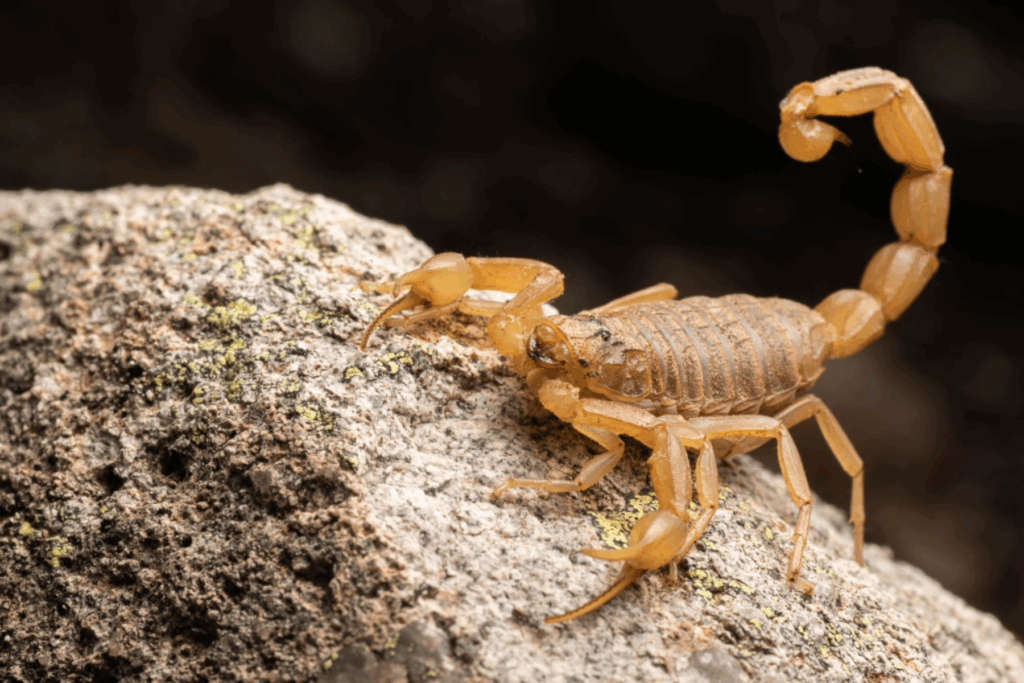
You see it. That dreaded curved tail. It’s late. You’re barefoot. In a rush of panic, you sprint to the garage, grab your trusty can of bug spray, and douse the thing like you’re putting out a fire. But after a few minutes, the scorpion is still twitching or, worse, walking away unfazed. Sound familiar? If you have been living for several years in Phoenix, scorpion sprays are nothing new to you. You even hear people saying it’s a waste of bucks. So, what’s the real deal? Are scorpion sprays effective, or are they just overhyped? In this guide, we will talk about the effectiveness of sprays, can do it yourself and whether you should get a local terminator. How Scorpion Sprays Actually Work (or Don’t) First, not all scorpion sprays are created equal. Most store-bought sprays fall into two categories: Contact Kill Sprays – These require you to spray directly on the scorpion to be effective. Miss even a little? It might survive. Residual Barrier Sprays – These are meant to leave behind a chemical layer that kills over time as the scorpion walks across it. Here’s the problem: Bark scorpions, the most common and venomous type found in Phoenix, are incredibly resilient. Their exoskeleton is like armor, and unless the spray is strong enough or hits them in the right spots, it may not do much at all. So if you’re spraying baseboards and calling it a day, chances are, you’re just delaying the inevitable visit from their glowing cousins next week. Pros and Cons of Using Scorpion Sprays at Home Let’s break it down real quick: The Good Stuff: They’re cheap and easy to grab at Home Depot or Lowe’s. Some offer quick results if sprayed directly on the scorpion. Good for emergency “OMG-kill-it-now” moments. The Not-So-Good Stuff: Most sprays don’t penetrate deep enough to kill hidden scorpions or their eggs. The barrier wears off quickly in Arizona’s intense heat and dust. It gives many homeowners a false sense of control, especially in high-risk areas like Scottsdale, Mesa, or Ahwatukee. What the Pros Use (That You Can’t Buy in Stores) Here’s the deal: Professional pest control companies in Phoenix and Maricopa County use EPA-approved, high-strength formulations that aren’t available to the average homeowner. More importantly, they combine spray treatments with Integrated Pest Management (IPM), which includes: Home sealing (plugging up cracks and vents where scorpions sneak in) Blacklight inspections to find hiding spots Regular perimeter treatments with lasting effects Targeting both the scorpions and their insect prey This multi-layered approach is what really separates a quick fix from actual scorpion control. When to Call a Scorpion Control Expert Still, seeing scorpions after spraying your house top to bottom? That’s your sign. If any of the following sound familiar, it’s time to call in the pros: You’re seeing more than 1 or 2 scorpions per week You’ve found them in living spaces, kids’ rooms, or closets You’re relying on bug spray every other night like it’s Febreze You live near an open desert or in a known hotspot neighborhood like Desert Ridge or Anthem Inspiring Testimony from a Homeowner in Mesa “I can’t even count how much money I wasted on scorpion sprays before I finally gave up and called a professional. At first, I thought I could handle it myself. We’d just moved into a home in East Mesa, and within the first few weeks, we saw three scorpions in the garage and one in the laundry room. Freaked me out, but I figured it wasn’t that bad, I’d just pick up a can of spray and take care of it. Then one night, I walked into the bathroom and there was a scorpion just hanging out near the shower. I sprayed it directly. It didn’t die. It didn’t even slow down. I’m not kidding, it actually crawled away, and I watched it disappear under the vanity. That moment made me realize: these sprays were doing nothing. Looking back, I probably spent close to $200 on different sprays, not counting the hours of spraying, the fumes, and the stress. Eventually, I called Spark Pest Control. Honestly, I wish I had done it from the beginning. They used professional-grade treatments and even helped us seal up areas of the home where scorpions were getting in. I haven’t had to use a can of spray since. So if you’re reading this and still buying scorpion spray thinking it’ll solve your problem. I promise you, I’ve been there. It might help in the moment if you catch one crawling across the floor, but it’s not a solution. Not even close. You’ll waste money and time. Just save yourself the frustration and call someone who knows what they’re doing. — Daniel P., East Mesa Homeowner Get In Touch With Spark Pest Control Here’s the truth: Scorpion sprays aren’t total nonsense, but they’re not a complete solution, either. Think of them like a first-aid kit, not a cure. They can help in the moment, but for long-term control, you’ll need a comprehensive plan. If you want real results, it’s time to go beyond the spray bottle. Tired of wasting money on sprays? Contact us and we’re excited to eliminate them all. Frequently Asked Questions 1. Do scorpion sprays actually kill scorpions? Yes, but only some sprays and only under certain conditions. Most store-bought sprays only work if you hit the scorpion directly with the product. Many scorpions, especially bark scorpions, can survive a weak or indirect application. 2. Are over-the-counter scorpion sprays effective in Phoenix? Over-the-counter sprays offer limited, short-term relief. They may kill individual scorpions on contact, but they don’t prevent infestations, and they often lack the strength to handle tougher desert pests. 3. What’s the difference between contact sprays and residual sprays? Contact sprays kill scorpions instantly, if applied directly. Residual sprays, on the other hand, leave behind a chemical barrier that kills over time when scorpions
How to Childproof Your Home from Scorpions

A mom’s greatest nightmare is walking into their child’s room and spotting a scorpion crawling near the crib. You know, it is not a typical kind of fear. If you have been living in Phoenix and areas in Scottsdale, Mesa, or Chandler, scorpions are anywhere. They are harmful to your kids at home. The Arizona bark scorpion is really venomous, and their sting can cause serious reactions. Childproofing your home isn’t an option; it’s a must! In this guide, we’ll explain the ways you can do it. Steps You Can Do to ChildProof Your Home Step 1: Seal Every Entry Point Scorpions are sneaky. They can squeeze through openings as small as a credit card’s edge, which makes home sealing your first and most important line of defense. Check and seal: Gaps under doors and windows Cracks in baseboards, drywall, and outlets Vents, utility pipes, and attic openings Garage and sliding door tracks Use weather stripping, door sweeps, and silicone-based caulk for a safe and chemical-free solution. If you’re not comfortable doing it yourself, many Phoenix home sealing experts specialize in scorpion-proofing services that are child-safe and professionally done. Step 2: Safe Scorpion-Proofing Inside the Home The inside of your home should feel like a fortress, especially the places your kids crawl, nap, and play. Here’s what to focus on: Declutter regularly, especially under cribs, beds, and sofas where scorpions hide Shake out clothes, blankets, and towels before use (yes, even indoors!) Use sticky traps in low-traffic corners, just make sure they’re out of your child’s reach Vacuum often, and don’t leave open boxes, toys, or piles of clothes lying around Many Mesa and Tempe families find success pairing natural deterrents (like peppermint oil sprays) with professional pest control for a well-rounded, child-friendly approach. Step 3: Outdoor Protection for Play Areas Scorpions love dark, shaded spots, so your backyard could be inviting them in, especially if toys and play equipment are near the walls. Try these tips: Move playhouses, sandboxes, and toy bins away from your home’s exterior Keep bushes, firewood, and rock piles trimmed and far from kids’ spaces Use a UV blacklight at night to check for scorpions around patios and paths Maintain scorpion-safe landscaping: avoid ground-hugging plants and mulch close to the house When to Call in a Child-Friendly Scorpion Control Expert Don’t wait for things to get worse, especially when there is more than one scorpion inside your home. Don’t wait for weeks to add up, call a professional to eliminate them. Look for Phoenix-area pest control companies that: Use kid-safe and pet-safe treatments Offer home sealing services Perform blacklight inspections to find hidden pests Have experience in scorpion control specifically (not just general pests) A professional can build a customized plan to keep your little ones safe and help you sleep better at night. The Rodriguez Family’s Horrible Experience Let’s hear the story of the Rodriquez family after deciding to move into a single-story house in South Phoenix. They’re excited to have a backyard where their kids can play. Not until while picking up toys in the living room Mrs. Rodriguez spotted something small and pale near the edge of the rug. At first, she thought it was one of the toys until it moved. It was a bark scorpion right in the middle of the play area. She quickly killed it and tried to brush it off as a one-time thing. But just a few days later, her husband found another one in the laundry room less than ten feet from where their toddler napped on a blanket during the day. That’s when the panic set in. The couple didn’t have a history of dealing with pests, but they jumped into action. They cleaned, decluttered, sprayed peppermint oil around the baseboards, and even bought sticky traps at the hardware store. They also vacuumed daily and shook out toys and bedding, hoping it would be enough. It wasn’t. Over the next week, they found three more scorpions, one of them inside their baby’s closet. That’s when they began researching how to childproof a home specifically for scorpions. They learned about home sealing, the importance of closing gaps around doors and vents, and how scorpions in Phoenix often sneak in through tiny cracks you don’t even notice. They called a local pest control company that specialized in scorpion treatment and child-safe solutions. The pest control pros performed a UV blacklight inspection, found several scorpion “hotspots” around the house, and helped the Rodriguezes seal every potential entry point. They also created a custom, kid-friendly scorpion control plan that included safe treatments and regular follow-up visits. Within a month, the sightings stopped. Protect Your Kids Where It Matters Most Make your home the safest place for your kids. Don’t let any of them get into their crib or toys. Call Spark Pest Control today for a child-safe, expert-led scorpion inspection and treatment plan built just for Phoenix families. Because protecting your kids starts with protecting their space. Frequently Asked Questions 1. Are scorpions really dangerous for young children? Yes. Your children and babies are at risk and vulnerable to their venom. Even one tiny sting is enough to cause severe pain, swelling, and allergic reactions to scorpions. 2. Can I scorpion-proof my home without using harsh chemicals? Absolutely. Many parents in Phoenix, Mesa, and Chandler choose child-safe pest control options. These include professional-grade but non-toxic treatments, home sealing, and physical barriers like door sweeps and weather stripping. 3. What is the safest way to keep scorpions away from my baby’s room? Start by sealing all cracks and gaps around the room, especially windows and baseboards. Avoid clutter, shake out clothes and blankets, and consider professional pest control treatments that are certified safe for nurseries and kid zones. 4. Do baby gates or playpens keep scorpions out? Sadly, the answer is no. Scorpions can still crawl over or under baby gates and playpens. Your best solution for
Natural Scorpion Repellents: Do They Really Work?
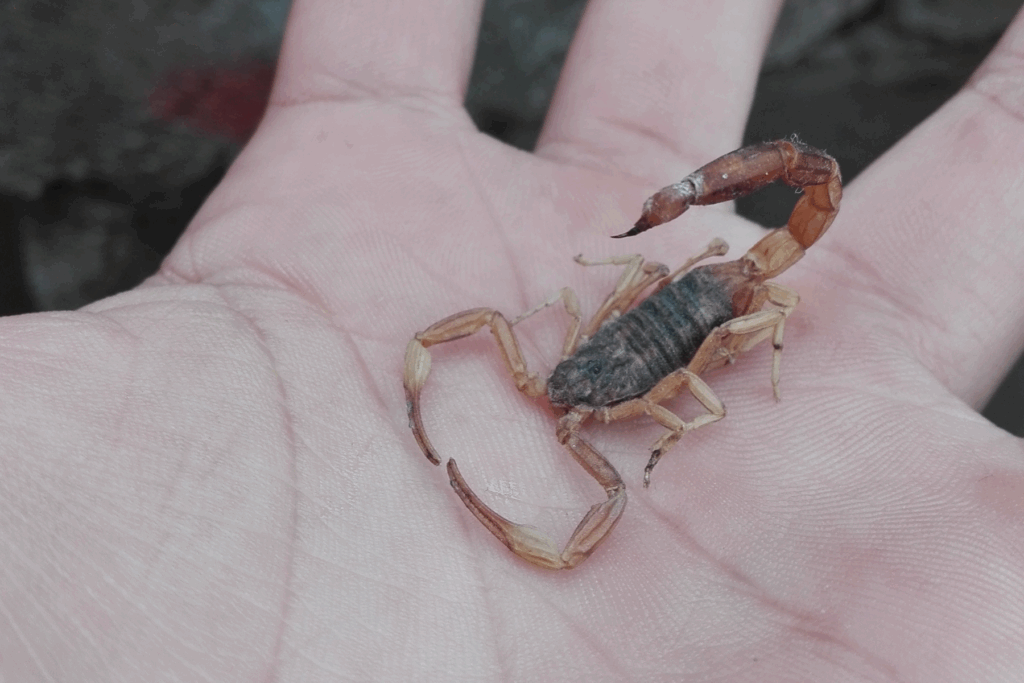
If you’ve been living in Phoenix for ages, the presence of scorpions isn’t new to you. You may have encountered one or know someone who has. Spraying chemicals is the on-the-go solution to eradicate them, but not all the time. Your kids and pets might be affected by the use of these harsh chemicals. In fact, many homeowners even wonder if natural scorpions really work in removing scorpions. Starting from essential oils to chalky whiteboards, they are available 24/7. But the big question is: can these natural remedies really keep scorpions out of your house or are they just another desert myth? Let’s break it down. The Most Popular Natural Scorpion Repellents A lot of Phoenix homeowners are turning to natural repellents because they’re safe, smell good, and feel like a gentle, more eco-friendly approach. Here are some of the most commonly used options: Lavender oil – Said to repel a variety of insects, including scorpions Peppermint oil – A popular go-to for DIY sprays (scorpions supposedly hate the strong scent) Cedarwood oil – Known to disrupt insect pheromones Cinnamon and cloves a – Believed to work as natural deterrents Diatomaceous earth (DE) – A fine powder that dehydrates scorpions when they crawl through it People in places like Mesa, Tempe, and Chandler often use these around doorways, windows, baseboards, and even in backyard planters to try and keep scorpions at bay. What Science (and Experience) Says About It Here’s the honest truth: the evidence for natural repellents is mixed at best. While certain oils like cedar and peppermint may deter scorpions for a little while, they don’t kill them and they certainly won’t stop an infestation. Scorpions don’t have the same sense of smell we do, so essential oils might mask the scent of food (like crickets), but they won’t send the scorpions running. Most natural remedies work better as short-term deterrents, not long-term solutions. And many homeowners around Phoenix and Scottsdale who’ve tried essential oil sprays say the same thing: “It helped for a few days and then they came back.” Pros and Cons of Natural Scorpion Repellents Let’s keep it real; there are some upsides, especially if you’re just trying to buy yourself a little peace of mind. Pros Safe to use around kids and pets Affordable and easy to DIY Pleasant-smelling and chemical-free Cons Effects fade quickly (especially in Phoenix heat) Doesn’t kill scorpions or reach nests Not effective for heavy activity or infestations If you’re seeing one or two scorpions outside, natural methods can be a nice supplement. But if they’re showing up in your kitchen or worse your kids’ room, it’s time to move beyond the essential oil aisle. When It’s Time to Call a Pro Here’s the deal: natural repellents work best when used alongside professional treatments, not in place of them. If your home is sealed, clutter is under dominion, and you’re using natural deterrents at entry points, great! But if scorpions are still making surprise appearances, it’s time to call a local pest expert. Phoenix pest control companies like Spark Pest Control use professional-grade products and strategies that target both the scorpions and the insects they eat. They also offer home sealing services and blacklight inspections, which natural methods just can’t compete with. “Just get help from the pros. It’s worth every penny.” “I really wanted to go the natural route. I’ve got two young kids and a dog, and the thought of spraying chemicals around the house just didn’t sit right with me. So I did all the things, from peppermint oil sprays to lavender diffusers. I even sprinkled cinnamon and tried diatomaceous earth around the garage. At first, it felt like it was working. The house smelled amazing and we didn’t see anything for a week. Then the scorpions started showing up again. One in the laundry room. Two in the garage. And the one that pushed me over the edge? Crawling across my baby’s changing table. That was it. I realized no matter how many oils I sprayed, it just wasn’t enough. These things are tougher than they look, and the natural stuff wasn’t cutting it. I felt like I had wasted so much time trying to do it ‘the right way,’ but honestly, the best decision I made was finally calling Spark Pest Control. They were kind, super knowledgeable. Within a few treatments, the difference was night and day, and I finally felt safe in my own home again. If you’re hoping peppermint oil will protect your kids from desert scorpions, I get it but please don’t wait for a close call like I did. Just get help from the pros. It’s worth every penny.” – Megan D., South Phoenix Homeowner Tired of Guessing? Get Real Scorpion Protection That Works Natural remedies can help, but they’re not your only defense and they’re definitely not foolproof. If you’re ready to stop hoping and start knowing your home is protected, let the pros step in. Call Spark Pest Control today for a free inspection and a plan that actually works. Stop experimenting; start protecting. Frequently Asked Questions 1. Do natural scorpion repellents really keep scorpions away? They can help—temporarily. Natural repellents like peppermint or cedar oil might deter scorpions for a short time, but they won’t eliminate them or stop an infestation. Think of them more as a light deterrent, not a full-on solution. 2. Do essential oils really work on scorpions? Some essential oils, like lavender, peppermint, and cedarwood, have been shown to irritate or repel certain insects. But scorpions are tough desert survivors. Oils may help mask scents that attract them but don’t expect them to kill or permanently drive scorpions away. 3. Does peppermint oil really repel scorpions? Peppermint oil is one of the most commonly recommended natural options, and while some people report fewer sightings after using it, there’s no scientific proof it works consistently. At best, it can act as a mild deterrent