
Common Arizona Ant Species: ID & Prevention

The Arizona’s climate has made it ideal for many ants to persist. Others can only be a burden but they can actually endanger your health and property. There are different types of ants found in Arizona, so it’s a good thing to recognize them. There are the most common ants in each state. In this comprehensive guide, we will discuss the most commonly found ant species in Arizona, including their behaviors and the best prevention strategies to keep your environment ant-free. Why Ants Are a Problem in Arizona Did you know that the deserted climate of Arizona is the reason why ants are active all year? Combined with mild winters, your home and yards are a target point for infestations. They search for food, water, and shelter, just any pests. And once they succeed in their search for the right place, it’s time to build a great colony. The fire ants and carpenter ants are the ones that sting. They can also cause allergic reactions. Carpenter ants are known as destroyers of wood. So, let’s identify the different ants and know the best way to deal with them. 6 Common Ant Species Found in Arizona 1. Argentine Ants Appearance: Small (1/8″), dark brown to black Behavior: Form massive colonies with multiple queens Risk: Attracted to sweets and moisture; difficult to eliminate once established 2. Odorous House Ants Appearance: Small (1/8″), brown or black Behavior: Emit a rotten coconut smell when crushed Risk: Common household invaders that nest in wall voids and under floors 3. Pavement Ants Appearance: Dark brown to black, about 1/8″ Behavior: Nest under concrete, sidewalks, and driveways Risk: Often invade kitchens and pantries searching for crumbs and sugary foods 4. Carpenter Ants Appearance: Large (up to 1/2″), black or reddish-black Behavior: Hollow out wood to build nests (don’t eat wood like termites) Risk: Can cause structural damage to homes and buildings 5. Fire Ants Appearance: Reddish-brown with darker abdomen, 1/8″ to 1/4″ Behavior: Extremely aggressive; will sting repeatedly if threatened Risk: Stings cause painful welts and may trigger allergic reactions 6. Harvester Ants Appearance: Reddish or orange, large (up to 1/2″) Behavior: Build large nests in open, dry areas; collect seeds Risk: Painful stings; best avoided by humans and pets alike How to Identify Ant Species at Home Correct identification is important to solving an infestation effectively. Here’s how you can spot what you’re dealing with: Size and Color: Note differences in ant size and coloring, from tiny black odorous ants to large red harvester ants. Nest Locations: Carpenter ants prefer wood; pavement ants like concrete crevices; fire ants build mounds. Behavior: Watch for foraging trails, swarming activity, or sudden aggression. Smell Test: Odorous ants give off a strong scent when crushed. If you’re uncertain, consider having a pest control expert conduct an inspection. Accurate ID saves time and ensures proper treatment. Effective Prevention & Control Strategies Clean Like You Mean It: Eliminate the Ant Buffet Ants are always on the hunt for food, and your kitchen can quickly become their favorite dining spot. To prevent this, make it a habit to wipe down countertops and sweep floors every day, especially after meals. Crumbs, spills, and sticky spots are like magnets for ants. Store all pantry goods like sugar, cereal, and pet treats in sealed, airtight containers. And don’t forget your pets leaving food or water bowls out overnight is an open invitation for pests. Lock the Doors: Stop Ants at the Source Small cracks and gaps around doors, windows, and your home’s foundation can serve as easy entry points for ants. Use silicone-based caulk to seal these openings and keep pests outside where they belong. Repair any damaged window screens, and consider installing door sweeps to eliminate gaps under doors. These small fixes can make a big difference in keeping ants from sneaking in unnoticed. Defend the Perimeter: Make Your Yard a No-Ant Zone Your landscaping can either deter or invite ants to your doorstep. Start by trimming back tree branches, bushes, and shrubs so they don’t touch the house. These natural bridges often lead ants straight indoors. Clear away any standing water in plant saucers, buckets, or birdbaths, as moisture attracts ant colonies. Finally, be mindful of mulch: while it’s great for your plants, placing it too close to the house creates ideal nesting grounds for ants and other pests. Natural Solutions You Can Try at Home If you’re dealing with a minor or early-stage ant problem, there are several natural remedies that can help without resorting to harsh chemicals. While these DIY methods can be quite effective, especially for isolated infestations, it’s important to use them carefully in homes with young children or animals. A simple vinegar and water spray is effective at wiping out ant scent trails, making it harder for others to follow the path. For a more targeted approach, try creating a homemade ant bait using borax mixed with sugar ants are drawn to the sweetness, then carry the borax back to their nest, helping eliminate the colony over time. Essential oils like peppermint, tea tree, and citrus are also known to repel ants; just a few drops diluted in water can serve as a natural deterrent around entry points. Another option is food-grade diatomaceous earth, a fine, powdery substance that’s harmless to people and pets but deadly to ants by dehydrating them. When to Call a Professional Pest Control Company If you’ve tried multiple DIY remedies and the ants keep returning, it’s time to contact a licensed pest control company. Professional services provide: Accurate species identification Targeted treatment plans Safer solutions for families with kids and pets Long-term prevention and monitoring In Maricopa County, pest experts are familiar with the specific species that thrive in Arizona and use treatments suited for the desert environment. Seasonal Tips for Year-Round Ant Control Spring: Check for early signs of nesting and apply preventative barriers. Summer: Ants are most active,
Ant Control in Maricopa County

There are several ant species found in Maricopa County, Arizona. They are invasive to your kitchen like sugar ants, fire ants, and carpenter ants. They can be a headache when they dominate your food and entire house. Not to mention that the warm climate of Arizona can make various ants grow vigorously. In this comprehensive article, we will guide you on how to identify type of ants at your home. As well as the effectiive prevention strategies and when should you call for a professional. Common Ant Species in Maricopa County Not all ants are the same, and the first step in combating them is to identify them. The following are the common ants present here in Maricopa County. Take note of them: 1. Argentine Ants – They are tiny, brown ants that often form massive colonies. They are very much attractive to sweets. 2. Odorous House Ants – They get their name from the rotten cocounut smell. These are emitted when are crushed. They nest both indoors and outdoors. 3. Pavement Ants –These ants are often found under sidewalks and driveways. They also forage indoors for food. 4. Fire Ants – Their stings can be really painful. These ants are aggressive in nature. Mostly they are found ioutdoors in soil or lawns. 5. Carpenter Ants – These large black ants can damage wood structures by hollowing them out for nesting. 6. Harvester Ants – They don’t rely on sweets or aphids. Their sting can also be painful. They llke to collect seeds and leaves for their colonies. What Attracts Ants to Your Home Ants are always on the hunt for food, water, and shelter. Here’s what might be drawing them into your home: Food Crumbs & Grease: Unsealed pantry items, crumbs, pet food, and dirty dishes can all attract ants. Moisture: Leaky pipes, standing water, and humid environments make ideal habitats for ants. Shelter: Cracks in walls, window gaps, and foundations allow ants to enter and build nests. Signs of an Ant Infestation Detecting ants early can prevent a small problem from becoming a large infestation: Visible ant trails lead to food or water sources. Small piles of dirt or sand near entry points. Rustling sounds in walls (especially with carpenter ants). Sighting of winged ants can indicate that their colony is expanding. DIY Ant Control: What Works and What Doesn’t Effective DIY Strategies: Borax & Sugar Bait: Mix borax with sugar and place it in shallow containers near ant trails. Vinegar Spray: A 50/50 vinegar and water solution can erase scent trails. Essential Oils: Peppermint, tea tree, and citrus oils deter ants naturally. Diatomaceous Earth: A safe, non-toxic powder that kills ants by dehydrating them. What Not to Do: Don’t spray repellent directly on trails: It may kill some ants but scatter the colony. Avoid overuse of store-bought sprays: These can be harmful if used incorrectly and rarely solve the root problem. When to Call a Professional Ant Exterminator in Maricopa County DIY methods can help with minor infestations, but here’s when you should seek professional help: You notice large colonies or recurring infestations. The ants are causing structural damage, like carpenter ants. You’ve tried multiple DIY methods with no success. You want to use eco-friendly but potent treatments that are safe for kids and pets. Professional exterminators in Maricopa County are familiar with local ant behavior and can implement customized, long-term solutions. Seasonal Ant Control Strategies In Arizona, ants can be active all year, but certain seasons present more risk: Spring and Summer: Colonies expand, and ants become more aggressive in foraging. Monsoon Season: Heavy rains may drive ants indoors in search of dry ground. Fall and Winter: Some species may retreat indoors for warmth. Year-round protection requires adjusting strategies as the seasons change. Safe & Eco-Friendly Ant Control Methods Homes with children, pets, or sensitive individuals benefit from natural and low-toxicity treatments: Bait stations are placed strategically out of reach. Botanical insecticides are derived from plants like chrysanthemums. Barrier treatments using pet-safe ingredients. Many Maricopa County pest control companies now offer green options without compromising effectiveness. Preventing Future Infestations Keep ants away by removing the conditions that attract them: Seal cracks and gaps in doors, windows, and foundations. Store food in airtight containers. Keep kitchen counters and floors clean. Fix leaks and reduce indoor humidity. Schedule regular pest inspections. Prevention is always easier and cheaper than removal. About What We Do at Spark Pest Control At Spark Pest Control, we’re not just another pest control company. We’re your local partners in creating safe, pest-free environments for homes and businesses throughout Maricopa County. In addition, we have a deep understanding of Arizona’s unique desert climate and its seasonal pest patterns. We specialize in delivering targeted, effective, and family-safe solutions for all types of pest issues. We make sure that we obey the Arizona Pest Managemnt Division for a safety pest control practices.mOur licensed experts use cutting-edge techniques and eco-conscious products to ensure long-lasting results. Stop Ants Before They Spread: Call Spark Pest Control Don’t let ants take over your Maricopa County home. Whether you’re dealing with stubborn kitchen invaders or aggressive outdoor colonies, Spark Pest Control offers expert ant control services. They are designed for the desert climate and tailored to your unique needs. Our safe, eco-friendly solutions protect your home without harming your family or pets. Call us today or get a free quote. Take the first step toward an ant-free home! Frequently Asked Questions (FAQs) 1. What are the most common ants in Maricopa County? The most common ants include Argentine ants, odorous house ants, fire ants, pavement ants, carpenter ants, and harvester ants. Each species behaves differently and may require unique control strategies. 2. Are ant infestations dangerous in Arizona homes? While most ants are a nuisance, some like fire ants and carpenter ants—pose health or structural risks. Fire ants sting, while carpenter ants can damage wood in
Green & Eco-Friendly Pest Control Options

The growing awareness of environmental health is significantly impacting homeowner choices regarding pest control, particularly in areas like Maricopa County, Arizona. Cities such as Phoenix, Chandler, and Gilbert are seeing a shift in pest control. The use of harsh chemical pesticides is now being questioned due to several factors. Homeowners are actively seeking alternatives that effectively manage pests without resorting to harmful chemicals. Is it really possible to get rid of pests without resorting to harsh pesticides? This guide covers what “green pest control” means, how it works in Arizona’s unique climate, real-life success stories, and how to get started safely, sustainably, and effectively. What Is Green Pest Control? Green pest control, also known as eco-friendly or sustainable pest management, prioritises environmentally responsible methods and products to prevent and eliminate pest infestations. This approach contrasts sharply with traditional pest control methods that often rely heavily on synthetic chemical pesticides. Green pest control aims to minimize the negative impact on human health, the environment, and beneficial organisms. Plant-based ingredients like essential oils Mineral-based solutions such as boric acid and diatomaceous earth Biological methods like beneficial insects Physical prevention through sealing, exclusion, and trapping Common Eco-Friendly Pest Control Methods in Arizona 1. Essential Oil-Based Sprays Essential oil-based sprays offer a natural and relatively safe alternative to traditional chemical pesticides for controlling certain pests. These sprays utilize the naturally occurring insecticidal or repellent properties found in various botanical oils. Examples of it are rosemary, peppermint, cedarwood, and clove are naturally repellent or toxic to pests. Sprays made from these oils are effective against: Ants Cockroaches Spiders Mosquitoes These are great for spot treatments and regular maintenance around entry points. 2. Diatomaceous Earth (DE) Diatomaceous earth (DE) is a naturally occurring, fine, white to off-white powder composed of the fossilized remains of diatoms, single-celled algae. Its unique structure and composition make it a surprisingly effective and environmentally friendly pest control agent. It damages pests’ exoskeletons, causing dehydration. It’s safe for humans and pets, but deadly to: Bed bugs Silverfish Earwigs Fleas Perfect for baseboards, wall voids, and around appliances. 3. Sticky Traps and Physical Barriers Sticky traps, copper mesh, and door sweeps represent a category of pest control methods that rely on physical barriers or entrapment to prevent pests from entering a home or moving freely within it. These methods are often used in conjunction with other pest control strategies to enhance their effectiveness. These methods help with: Rodents Crickets Roaches Certain pest control methods are particularly well-suited for use in garages, attics, and utility rooms due to the unique characteristics of these spaces. These areas often share several features that make them ideal targets for specific pest control. 4. Biological Pest Control Biological pest control, also known as biocontrol, utilizes naturally occurring organisms to suppress or eliminate pest populations. Unlike chemical pesticides, biocontrol methods do not introduce synthetic toxins into the environment, minimizing potential harm to human health, beneficial insects, and wildlife. Local Challenge: Arizona’s Climate and Pests The desert environment of Maricopa County, Arizona, presents unique challenges for pest control. The extreme heat and arid conditions prevalent in this region not only make pest infestations a year-round problem but also contribute to the development of highly resilient pest populations. This necessitates a more robust and effective pest control strategy compared to regions with milder climates. Eco-friendly pest control requires careful selection of heat-tolerant products, especially when targeting pests like: Desert subterranean termites Scottsdale scorpions Roof rats Sun-loving ants Different regions have unique pest populations and environmental conditions. A pest control company with local expertise possesses an in-depth understanding of the specific pest species prevalent in the area, their behaviors, life cycles, and vulnerabilities. Chandler Family Finds a Natural Solution “We were battling a relentless ant infestation in our kitchen, a situation made even more stressful by the presence of our newborn baby. The idea of using harsh chemicals around our little one was unthinkable. Spark Pest Control provided a welcome solution, arriving with a completely natural approach. They carefully applied peppermint oil sprays, targeting areas where the ants were entering, and strategically dusted diatomaceous earth powder along the baseboards. The change was remarkable. Within a few days, the ants were gone, and we haven’t seen a single one in the two months since the treatment. It’s a testament to the power of natural pest control methods when done right!” — Lindsey M., Chandler AZ Do Green Methods Actually Work? Yes—Here’s How Some people believe “natural” means “not strong enough.” Many people are unfamiliar with the diverse range of natural pest control options available and their mechanisms of action. They may be unaware of the potency of certain botanical oils, diatomaceous earth, or biological control agents. But that’s not true when treatments are done right. How We Get Results with Green Pest Control: We target specific pest types using substances proven to disrupt their life cycles. We rely on Integrated Pest Management (IPM) to combine multiple methods (exclusion, habitat removal, and safe treatments). We adjust application times and materials for maximum effectiveness, especially in hot weather. We follow up with routine visits to maintain results long-term. What Products Do We Use in Eco Pest Control? Product Name Type Pests Targeted Kid/Pet Safe EcoRaider Botanical Spray Ants, Roaches, Spiders Yes Harris Diatomaceous Earth Powder Fleas, Bed Bugs Yes Wondercide Oil-Based Spray Mosquitoes, Ticks Yes Nature-Cide Outdoor Yard Spray Crickets, Wasps Yes Want a pest-free home without worrying about chemicals? Worried about harsh chemicals in your home? So are we! That’s why at Spark Pest Control, we’re committed to using eco-friendly pest control solutions that are safe for your family and the environment. We know you have questions, so we’re here to help. Whether you’re dealing with ants, spiders, or something more serious, we’re ready to provide effective and sustainable solutions. Give us a call or visit our website, let’s talk pests!
How to Stop Ant Infestations in Tempe Kitchens

Ants in your kitchen, again? You’re not alone. Especially if you live in Tempe, Arizona. The warm climate, combined with year-round access to food and water indoors, makes kitchens a prime target for ant infestations. Whether it’s a trail of tiny workers near your sink or a surprise invasion in your pantry, ant problems can quickly escalate. This guide breaks down exactly why ants invade Tempe kitchens, how to identify them, what DIY remedies are worth trying, and when it’s time to bring in the professionals. Common Ant Species Found in Tempe Kitchens Tempe’s desert climate is home to a variety of ant species, but only a few tend to invade homes, especially kitchens. Argentine Ants: These are among the most common in Maricopa County. They form massive colonies and are highly attracted to sugary or greasy foods. They’re difficult to control due to their ability to establish multiple queens. Odorous House Ants: Named for the foul smell they emit when crushed, these ants are known for trailing along countertops and sinks. They’re attracted to moisture and sweets. Carpenter Ants: Less common but still a threat, carpenter ants don’t eat wood but burrow into it, potentially damaging kitchen cabinets and walls. Why Ants Target Kitchens in Tempe Kitchens are a haven for ants for three simple reasons: food, water, and shelter. Access to Food: Crumbs, open containers, spills, and even pet food left out can all attract ant scouts. Moisture: Leaky faucets, damp sponges, and sinks offer essential hydration in Arizona’s dry climate. Entry Points: Cracks in baseboards, unsealed windows, and gaps near plumbing are easy entrances for ants. The combination of Tempe’s warm temperatures and human activity makes kitchens a year-round buffet for ants. Signs of an Ant Infestation If you’re seeing one or two ants, odds are there are hundreds more nearby. Here are the telltale signs: Visible Trails: Long lines of ants going to and from food or water sources. Ants in Sink Areas or Cabinets: Especially near moisture or food storage. Frass or Dirt Piles: Some species push out dirt or sawdust-like debris from walls or cabinets. Ignoring these signs can lead to larger infestations and harder-to-reach colonies inside walls or beneath floors. DIY Prevention & Elimination Tips Kitchen Cleaning Habits That Work Start with prevention. A clean kitchen is your first line of defense. Wipe counters daily to remove crumbs and spills. Store food in airtight containers, especially sweets and grains. Empty trash regularly and keep bins sealed. Clean pet bowls and remove leftover food at night. Close Entry Points Ants are tiny and resourceful. Blocking their entry points is crucial. Use caulk to seal cracks around windows, baseboards, and under sinks. Replace the weather stripping around doors and windows. Check under appliances for hidden gaps or food sources. Natural Remedies That Help If you’re not ready for chemicals, try these safer methods: Vinegar Spray: Disrupts pheromone trails. Mix equal parts vinegar and water, then spray on ant paths. Diatomaceous Earth: A natural powder that kills ants by damaging their exoskeleton. Apply around baseboards and under appliances. Essential Oils: Peppermint, lemon, and tea tree oils can repel ants. Mix with water in a spray bottle. While these are helpful, they may not eliminate the root colony, especially in persistent infestations. Are DIY Solutions Enough? DIY remedies work best in the early stages of an infestation or as a preventive measure. However, ants, especially Argentine ants, can be extremely difficult to fully eliminate without targeting the entire colony, including the queen(s). Ants often nest behind walls, beneath flooring, or outside the home. Surface-level treatments may only kill foragers, leaving the colony untouched. When to Call a Professional You should consider professional pest control when: Ants return within days of your DIY treatment. You see multiple ant trails or nests. Ants start appearing in bathrooms, bedrooms, or utility areas. It suggests a larger, hidden infestation. You suspect carpenter ants, which can damage wood structures. Professional technicians use baiting systems and barrier treatments specifically designed to eliminate the entire colony, not just the visible trail. Why Local Expertise Matters in Tempe Pest control companies familiar with Tempe’s local conditions are better equipped to: Identify the specific species you’re dealing with Choose climate-appropriate solutions that work in the Arizona heat Understand seasonal pest behavior and how to prevent a resurgence Tempe’s dry climate, heavy irrigation use, and year-round warmth make it a unique battleground for pest control, general solutions aren’t always effective here. Customer Testimonial Real Results from a Happy Tempe Resident “For weeks, we were dealing with a nonstop ant problem in our kitchen. No matter how much we cleaned or how many store-bought traps we used, the ants kept coming back. Especially around the sink and pantry. It got to the point where we were afraid to leave any food out, even for a few minutes. That’s when we found Spark Pest Control. Their team was responsive, super knowledgeable, and explained exactly what was causing the infestation. Within days of treatment, the ants completely disappeared and haven’t returned since! Our kitchen finally feels clean and safe again. I only wish we had called them sooner. If you’re dealing with ants, Spark is the real deal!” — Jason R., Tempe, AZ Say Goodbye to Ants. Fast, Safe & Local! Tired of seeing ants where your food should be? Don’t let them keep invading your Tempe kitchen. Spark Pest Control offers safe, targeted, and affordable solutions designed specifically for Arizona homes. Our technicians know exactly how to find the root of the problem, and fix it for good. Call Now or Book a FREE Kitchen Inspection Today! Frequently Asked Questions (FAQs) 1. Why do ants keep coming back to my kitchen in Tempe? Ants are attracted to food, moisture, and shelter, things commonly found in kitchens. In Tempe, the warm climate means ants are active year-round, so if food or water is left out, they’ll keep coming
Safe Scorpion Control for Homes with Kids & Pets
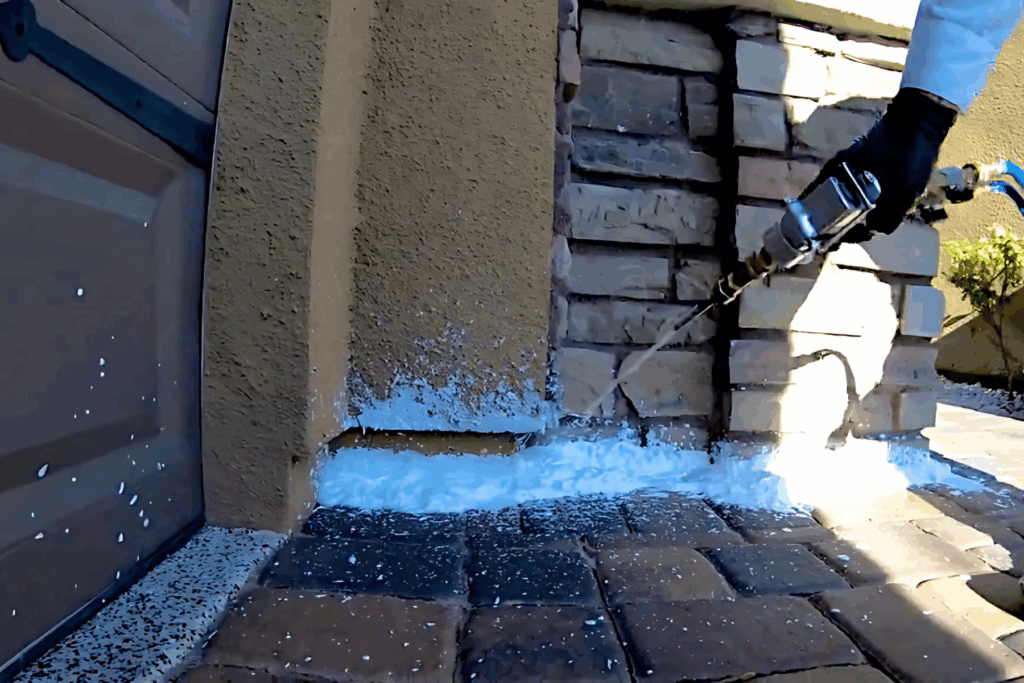
Scorpions are a common concern for Arizona homeowners, especially in areas like Maricopa County. These pests aren’t just creepy crawlers; they pose a real threat to families, especially those with young children or pets. But if you’re worried about harsh chemicals harming your loved ones, there’s good news: it is possible to eliminate scorpions without compromising safety. In this guide, we’ll walk you through safe, family-friendly scorpion control methods and preventative strategies that actually work. Understanding the Risk: Why Scorpion Control Matters Arizona bark scorpions are the most venomous in North America. Their sting can cause pain, numbness, vomiting, and even breathing difficulties. While healthy adults may recover quickly, small children, elderly individuals, and pets are far more vulnerable. Recognizing the signs of a scorpion infestation is the first step: Nighttime sightings of scorpions under UV light Increased presence of other pests (like crickets or roaches) Scorpions in shoes, closets, or sinks Knowing their common entry points also helps: foundation cracks, wall voids, air vents, and even ceiling gaps can serve as easy access for these pests. Are Traditional Pesticides Safe for Families? Over-the-counter pesticide sprays might seem like a quick fix, but many contain toxic chemicals that can pose a risk to children and animals. Exposure can happen through inhalation, skin contact, or accidental ingestion. DIY treatments are also less effective in the long term because they typically don’t address the root of the infestation or hidden entry points. Key concerns include: Respiratory irritation Skin allergies Accidental poisoning That’s why it’s important to avoid blanket chemical sprays unless they are labeled safe for residential use around kids and pets. Pet-Safe and Child-Safe Scorpion Control Methods When selecting a pest control strategy, prioritize methods that are effective yet non-toxic. Here are some of the most recommended options: 1. Natural Repellents Cedar oil: Repels scorpions and other pests without toxic residue Diatomaceous earth: Safe, non-toxic powder that kills scorpions by dehydrating them Essential oils: Lavender, citrus, and peppermint oils are known natural deterrents 2. Sticky Traps Place glue boards in dark corners, garages, and under sinks to trap scorpions safely. 3. Home Sealing Physically sealing gaps and cracks in walls, doors, and windows is one of the most effective preventative methods. 4. UV Light Monitoring Use a handheld blacklight to detect and remove scorpions at night. Scorpions glow under UV light, making them easier to spot. What to Expect from a Family-Safe Pest Control Service If DIY solutions aren’t cutting it, it’s time to bring in the professionals. But not all pest control companies offer child– and pet-safe services. Make sure your provider uses low-toxicity, EPA-approved products specifically designed for residential environments. What to look for in a provider: In-depth home inspections Eco-friendly and targeted treatments Safe product application (crack-and-crevice only, no open spraying) Follow-up maintenance to prevent re-infestation Services should also include home sealing and education on how to minimize risk going forward. How to Scorpion-Proof Your Home Without Harsh Chemicals Creating an unfriendly environment for scorpions doesn’t require heavy pesticide use. Smart prevention goes a long way. Tips for a scorpion-resistant home: Trim back shrubs and trees that touch the home Replace mulch with gravel to reduce moisture and hiding spots Install weather stripping on doors and windows Declutter garages, closets, and basements Seal electrical outlets and plumbing entry points with caulk or foam Regularly clean and maintain your home to reduce attractive conditions for scorpions and their prey. What to Do If a Scorpion Is Found Indoors If you encounter a scorpion inside your home, remain calm. Use long tweezers or a glass container to safely capture it. Avoid squashing it with bare hands. If someone is stung: Wash the area with soap and water Apply a cold compress Call your doctor or the Arizona Poison and Drug Information Center at 1-800-222-1222 For pets, contact your veterinarian immediately. Customer Testimonial: Peace of Mind at Last “Living in Scottsdale, scorpions had always been a part of desert life—but it wasn’t until we found one in our baby’s crib that we knew we needed serious help. We had tried everything from DIY sprays to essential oils, but nothing worked for long. That’s when we called Spark Pest Control. From the first inspection, they were professional, thorough, and incredibly knowledgeable. The technician sealed up entry points we didn’t even know existed and applied a treatment that was safe for our pets and kids. Within days, we noticed a huge difference—and weeks later, we still haven’t seen a single scorpion. It’s such a relief knowing our home is protected. If you’re losing sleep over scorpions like we were, call Spark. It’s the best decision we made!” — Lindsay P., Avondale, AZ Keep Your Loved Ones Safe. Without the Risk Protect your family and pets from the dangers of scorpions without resorting to harsh chemicals. At Spark Pest Control, we understand that keeping your loved ones safe is your top priority. That’s why we offer pet-safe and child-safe scorpion control solutions throughout Maricopa County. Our expert technicians use eco-friendly, family-approved products to eliminate scorpions and prevent future infestations, ensuring a safe and comfortable environment for everyone in your home. Don’t compromise on safety; choose [Your Company Name] for effective and responsible scorpion control. Contact us today for a pest consultation! Frequently Asked Questions (FAQs) 1. Are scorpion control treatments safe for kids and pets? Yes, when administered by professionals using EPA-approved products, scorpion treatments can be safe for children and pets. Always confirm that your pest control provider uses child– and pet-friendly solutions. 2. What are the best natural ways to repel scorpions? Natural repellents like cedar oil, lavender, citrus oils, and diatomaceous earth are effective and safe to use around children and animals. These create an environment that scorpions find unpleasant. 3. Can scorpions harm my pets? Yes, a bark scorpion sting can cause pain, swelling, and serious reactions in dogs and cats. Smaller pets are especially vulnerable
Are Scorpion Sprays Effective? What Really Works in Arizona
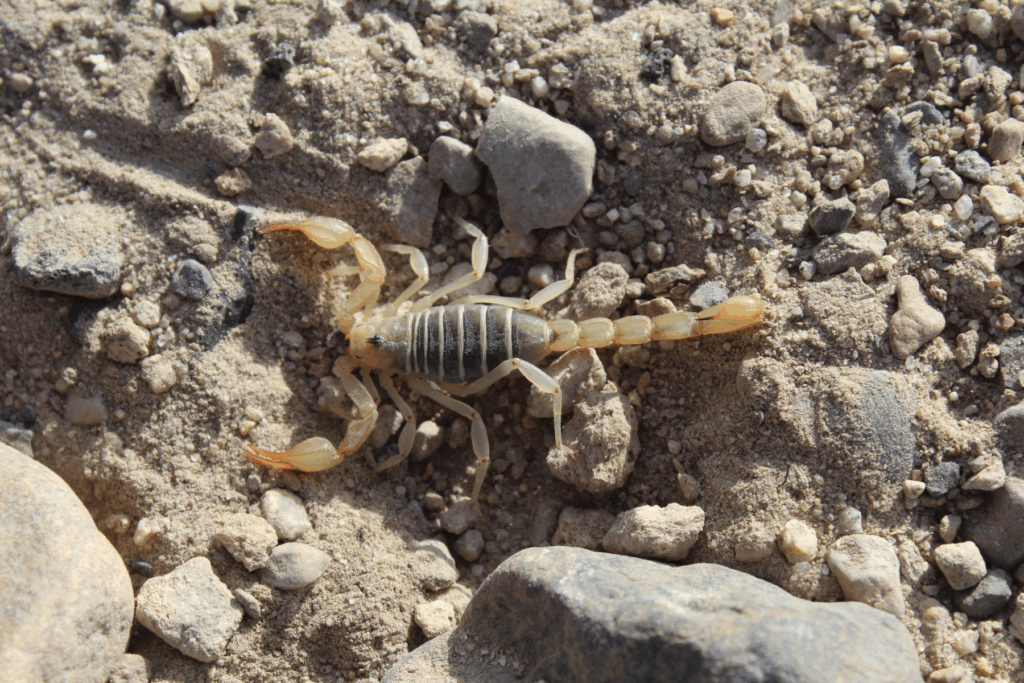
Are Scorpion Sprays Effective? What Really Works in Arizona The fear of scorpions is a very real concern for Arizona homeowners. Painful stings and the unsettling sight of these creepy crawlies send many scrambling for a quick solution, often reaching for the nearest spray bottle. But is that enough? This comprehensive guide will dig deeper into the effectiveness of different scorpion control methods. Comparing readily available DIY sprays with the expertise of professional pest control services. We’ll also explore the pros and cons of natural and chemical solutions, helping you determine the best approach to eliminate scorpions from your home and property for good. We’ll equip you with the knowledge to make an informed decision, ensuring a safe and scorpion-free environment for you and your family. Understanding Scorpion Behavior Before you grab that can of bug spray, it helps to understand how scorpions operate. Unlike common household bugs, scorpions are resilient arachnids with thick exoskeletons and nocturnal habits. They hide in cool, dark places during the day and become active at night—making them hard to detect and even harder to kill. Why Scorpions Are So Hard to Kill Scorpions are naturally resistant to many pesticides due to their tough outer shell. They also tend to hide in hard-to-reach areas like wall voids, attic spaces, and under rocks. That makes surface sprays and foggers largely ineffective without a targeted strategy. Types of Scorpion Sprays Explained There’s a wide variety of scorpion sprays available in Arizona stores and online, but not all are created equal. Here’s a breakdown of your options: Over-the-Counter Sprays These include brands like Ortho Home Defense, Raid, and Hot Shot. They’re designed for ease of use, with ready-to-spray bottles or aerosol cans. However, their ingredients often only repel scorpions or kill them on direct contact. They don’t eliminate the nest or treat long-term infestations. Natural and Essential Oil-Based Sprays Eco-friendly sprays made from cedar oil, peppermint, or clove claim to repel scorpions without using chemicals. While they might provide short-term deterrence, they are typically ineffective against larger infestations or the tough Arizona Bark Scorpion. Professional-Grade Insecticides These are restricted-use chemicals applied by licensed pest control professionals. They include micro-encapsulated formulas that cling to surfaces and remain active for weeks. Barrier treatments and insecticidal dust fall into this category. Do Store-Bought Scorpion Sprays Work? Short-Term Relief vs. Long-Term Control You may get immediate results if you spray a scorpion directly, but over-the-counter options typically don’t reach the hiding spots where scorpions live and breed. These sprays often wear off quickly in Arizona’s extreme heat and dust. Common Failures of DIY Sprays Not penetrating cracks or voids where scorpions hide Limited residual effect (often wears off in days) Only repels, doesn’t kill or prevent return May drive scorpions deeper into the home What Really Works to Kill Scorpions Effective scorpion control combines professional application and environmental changes. Barrier Treatments by Professionals These involve creating a protective chemical perimeter around the home’s exterior, especially along baseboards, doorways, window sills, and foundations. When done correctly, they prevent scorpions from entering your home. Dust Insecticides for Wall Voids Scorpions often enter through electrical outlets, plumbing holes, and attic vents. Professionals use insecticidal dusts (like Delta Dust) to treat these spaces, eliminating scorpions at the source. Integrated Pest Management (IPM) No treatment works without sealing your home. The IPM includes: Sealing cracks and crevices Reducing clutter (indoors and outdoors) Removing debris and woodpiles near your home Trimming vegetation away from foundations Best Time to Spray for Scorpions in Arizona Scorpion activity peaks in warmer months, especially from March through October. However, winter treatments are still essential. Why? Spring: Start early to get ahead of breeding Summer: Maintain barriers as activity peaks Fall/Winter: Prevent overwintering in attics and walls Professional vs. DIY: What’s More Effective? Cost Comparison DIY sprays may seem cheaper, but you’ll often spend more over time trying different products without results. Professional pest control services typically cost $75–$150 per visit, but they offer long-term protection and expert application. Safety Considerations Overusing or misapplying sprays can be hazardous, especially around children and pets. Professionals use measured, targeted treatments that are safe and EPA-approved when applied properly. Final Tips to Keep Scorpions Out for Good Use yellow outdoor lights (which don’t attract insects) Install door sweeps and weather stripping Keep beds and furniture at least 6 inches from walls Shake out shoes and towels before use Store firewood at least 20 feet from your home Scorpions Are Gone, And So Is My Stress! “I used to lose sleep worrying about bark scorpions showing up in our house, especially after finding one in my toddler’s room. After hiring Spark Pest Control, everything changed. They were fast, professional, and explained every step of the process. Within days, we noticed a huge difference, and now it’s been months without a single scorpion sighting. I finally feel safe in my own home again, worth every penny!” — Martin M., Goodyear, AZ Scorpions in Your Home? We Can Help! Tired of the constant worry of scorpions? Let’s take the sting out of scorpions together! At Spark Pest Control, we understand the fear and frustration that comes with scorpion infestations. That’s why we offer comprehensive scorpion control services using proven strategies like barrier sprays, wall dusting, and home sealing to eliminate scorpions and prevent future infestations. Our experts target scorpions where they hide, ensuring thorough and effective treatment. Don’t let scorpions disrupt your peace of mind any longer. Get your free inspection today, and sleep soundly, knowing your home is protected. Contact us now! Frequently Asked Questions (FAQs) 1. What is a bark scorpion, and why is it dangerous? The Arizona bark scorpion is a small, venomous arachnid found in the southwestern U.S. Its sting can cause severe pain, numbness, and, in rare cases, serious medical complications—especially in children and pets. 2. Where do bark scorpions hide during the day? They typically hide in cool, dark places such
Best Time of Year for Scorpion Prevention in Scottsdale
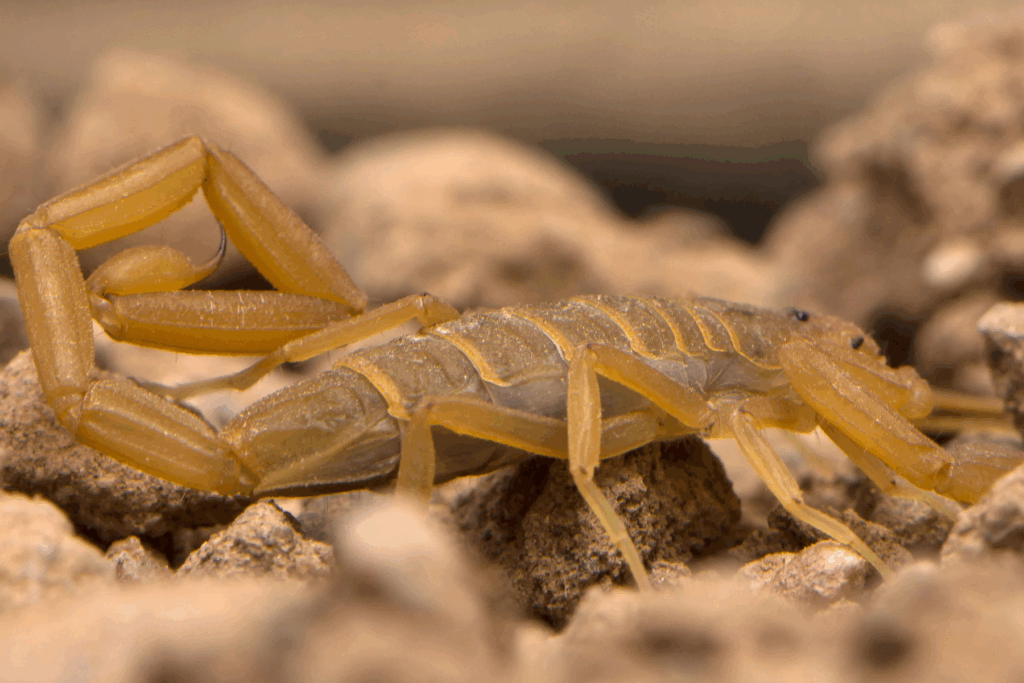
Scottsdale’s sunny weather and beautiful desert landscape make it a desirable place to live, but they also make it a hotspot for scorpions. These resilient pests are more than just a creepy nuisance. Arizona bark scorpions, the most common species in the area, are venomous and can threaten children and pets. To avoid infestations and enjoy peace of mind, it’s essential to understand the best time of year for scorpion prevention in Scottsdale. This comprehensive blog will discuss the scorpion season, prevention tips, and getting professional pest control. Understanding Scottsdale’s Scorpion Season Understanding Scottsdale’s scorpion season means recognizing that scorpion activity isn’t constant throughout the year. Climate and Scorpion Behavior: Scottsdale’s climate plays a major role in the behavior of scorpions. These nocturnal arachnids thrive in hot, arid environments. Their activity tends to rise with the temperature, making certain times of the year more high-risk than others. When Scorpions Are Most Active in Scottsdale: Scorpions typically emerge in March and remain active through October. The warm nights of spring and the intense heat of summer create ideal conditions for hunting and mating. During this period, they often wander indoors in search of food, water, or shelter. Why Spring Is the Best Time to Act Spring in Scottsdale signals the awakening of desert life, including scorpions. While they’re not as active as they are in the peak summer months, spring represents an important window for proactive pest control. Pre-Season Prevention Is Key: Early spring is considered the best time to start your scorpion prevention efforts. Treating your home and property before scorpions become fully active can prevent them from establishing nesting grounds near your living spaces. Benefits of Early Barrier Treatments: Applying a professional-grade barrier treatment in March or early April creates a line of defense before scorpions become highly mobile. It also reduces the population of other insects, like crickets and roaches, which serve as food sources for scorpions. Summer is The Peak of Scorpion Activity While spring is optimal for prevention, summer treatments are crucial to reinforce protection. During June through August, scorpions are most active. They reproduce, forage, and may even seek refuge inside cool homes. What to Watch For in Hot Months Nighttime sightings Scorpions in sinks, tubs, or baseboards Increased insect activity Regular treatments during summer can knock down scorpion populations and break breeding cycles. Fall and Winter Prevention Tips Scorpions don’t disappear when it gets colder. They simply become less visible. They often hide in walls, attics, or under debris. Fall is a good time for another barrier treatment and sealing any entry points. Year-Round Habits That Deter Scorpions Keep yards free of debris and woodpiles Seal cracks around windows and doors Fix leaky faucets and pipes Eliminate food sources (insects) Professional Scorpion Control vs. DIY Timing When it comes to scorpion control, timing is critical, and professional services offer a significant safety and effectiveness advantage over DIY attempts. How Experts Time Their Treatments Pest control professionals in Scottsdale follow seasonal treatment schedules that align with scorpion activity patterns. These typically include: Initial spring treatment Monthly or bi-monthly summer follow-ups Fall barrier reinforcement Can DIY Prevention Match Professional Plans? DIY methods like sealing and store-bought sprays help, but often fall short against full-blown infestations. Professional-grade products, targeted treatments, and local expertise offer superior long-term results. Scorpion Prevention Calendar for Scottsdale Homes A scorpion prevention calendar for Scottsdale homes is a proactive tool to help residents minimize the risk of scorpion infestations throughout the year. Month-by-Month Guide January–February: Inspect property, start sealing gaps March–April: Apply first professional treatment May–August: Regular maintenance and monitoring September–October: Reapply barriers, prep for fall November–December: Perform indoor inspections Key Milestones to Schedule Schedule your initial inspection by March Plan monthly follow-ups during peak season Conduct property audits before and after the monsoon season We were hesitant to invest in professional scorpion control, but after dealing with several unsettling encounters, we knew we needed help. Spark Pest Control provided a cost-effective solution that exceeded our expectations. Their pricing was transparent, and the service was exceptional. The technicians were knowledgeable, friendly, and efficient, completing the treatment quickly and thoroughly. More importantly, the results have been fantastic. We haven’t seen a single scorpion since the treatment, and we feel much safer and more comfortable in our home. Considering the peace of mind and the effective results, the investment was well worth it. We highly recommend Spark Pest Control to anyone looking for reliable and affordable scorpion control. — Jenna T., Buckeye, AZ Don’t Wait Until They Appear. Prevent Them Today! Living in beautiful Scottsdale means sharing your space with some desert creatures, and scorpions are unfortunately one of them. But don’t let that spoil your enjoyment of the area! Knowing the best time of year to implement scorpion prevention is key to keeping your home and family safe and comfortable. We understand the importance of timing when it comes to effective pest control, and our local experts are here to help you plan your defense against these desert critters. We’ll work with you to determine the ideal time to schedule your service, ensuring maximum effectiveness and minimal disruption to your life. Let’s chat. Contact us today for a free consultation, and let’s create a scorpion-free haven together! Frequently Asked Questions (FAQs) 1. When is scorpion season in Scottsdale? While scorpion season in Scottsdale generally runs from March through October, it’s important to understand that activity levels fluctuate throughout this period. 2. What is the best month to start scorpion treatments? March presents a unique window of opportunity for effective and efficient scorpion control in Scottsdale. The combination of rising temperatures, increased scorpion activity, and favorable weather conditions makes it the ideal time to begin treatments. 3. Are scorpions active in winter in Scottsdale? The recommended treatment schedule emphasizes proactive prevention rather than reactive treatment. Monthly treatments during peak season (May-August) are essential for preventing infestations before they become a significant problem.
Bark Scorpions: How to Keep Them Out of Your Home
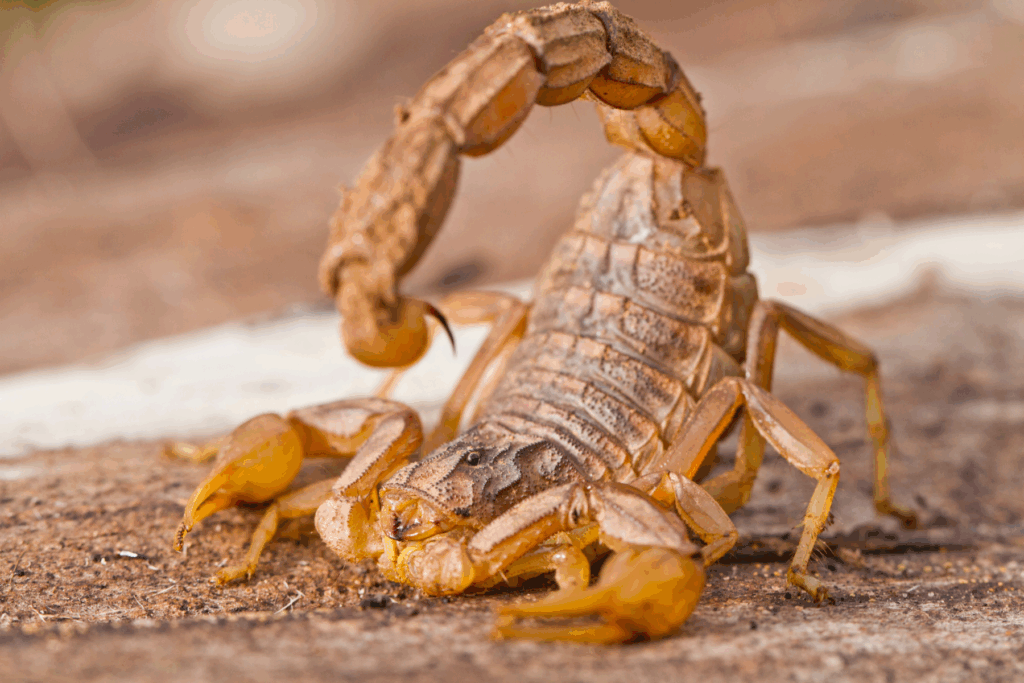
Bark scorpions are one of the most feared pests in Arizona. As the most venomous scorpion species in North America, their stings can be extremely painful. And potentially dangerous for children and pets. Homeowners in areas like Tempe, Chandler, Phoenix, and the greater Maricopa County need to stay vigilant and take proactive steps to keep these pests out of their living spaces. In this comprehensive guide, we’ll walk you through everything you need to know about bark scorpions. From identifying them to preventing them from entering your home. If you’re serious about protecting your family and property, these expert-backed tips are a must. What Are Bark Scorpions? Identification and Appearance The Arizona bark scorpion (Centruroides sculpturatus) is a small and tan-colored scorpion. They are typically about 2.5–3 inches in length. Its slender body and tail distinguish it from other less dangerous scorpion species found in the Southwest. One of its most unique characteristics is its ability to climb walls, ceilings, and even hang upside down. Where Are They Found in Arizona? Bark scorpions thrive in Arizona’s hot and arid environment. Especially in and around Maricopa County. They are nocturnal, hiding during the day in cool conditions. They also hide in shaded areas such as under rocks, in tree bark, behind baseboards, or inside closets. They become more active in the spring and summer when nighttime temperatures rise. Are Bark Scorpions Dangerous? Yes. While a sting is rarely fatal to healthy adults, it can cause extreme pain, swelling, and numbness. And even temporary paralysis. Children, the elderly, and those with allergic reactions may experience more severe symptoms. Why Bark Scorpions Enter Homes Common Entry Points Bark scorpions can slip through openings as small as 1/16 of an inch. They typically enter homes through: Gaps under doors Cracks in the foundation or stucco Vents and weep holes Utility entry points (cables, pipes, AC units) What Attracts Them? Scorpions are drawn indoors when outdoor temperatures become too hot or too cold. They also enter homes in search of food (insects like crickets and cockroaches) and water. High humidity, standing water, or excessive indoor clutter can make your home more attractive to them. How to Keep Bark Scorpions Out of Your Home Fill in all the cracks Start by thoroughly inspecting your home’s exterior: Use silicone caulk to seal any gaps or cracks around windows, baseboards, pipes, and vents. Install door sweeps and weather stripping on all exterior doors. Replace or repair torn window screens. Use mesh screens over attic vents and weep holes. Store food properly and fix leaks Scorpions follow the food. Eliminate their prey by: Keeping your kitchen and pantry clean and crumb-free. Storing food in airtight containers. Fixing leaky faucets or pipes that provide moisture. Using dehumidifiers in damp areas like bathrooms or basements. Pest-proofing your home against other bugs automatically reduces scorpion activity. Make your yard less inviting to pests Scorpions hide in dark, cool areas during the day. Common hiding spots include: Firewood piles Garden debris Rock piles Landscaping timbers Use Scorpion Repellents and Barriers Natural deterrents like cedar oil or diatomaceous earth can repel scorpions when applied around baseboards and entry points. For added protection: Install physical scorpion barriers around doors and windows. Use sticky traps in areas with suspected activity. While repellents can help reduce activity, they are no substitute for comprehensive pest control services. Blacklight Night Inspections Bark scorpions glow under UV light. Conducting nighttime inspections with a blacklight flashlight can help you spot them in their hiding places along walls, under furniture, or in closets. Professional Scorpion Control Solutions What Pest Control Companies Do Differently Professional pest control services target both scorpions and their food sources. Technicians apply long-lasting, scorpion-specific products in strategic areas such as: Perimeter of your home Cracks and voids Behind appliances and furniture Attics and crawl spaces Benefits of Regular Scorpion Treatments Scorpions are resilient, and over-the-counter products often aren’t strong enough. Ongoing professional treatments offer: Consistent prevention and monitoring Safe and effective chemicals Peace of mind for your family and pets Is Your Home at Risk for Bark Scorpions? Risk Factors in Maricopa County Homes Your home may be at higher risk if: You live near desert preserves or open fields Your yard contains large rocks or woodpiles You’ve had previous pest issues (crickets, roaches) Your home has unsealed utility gaps or vent openings Customer Testimonial “We were finding bark scorpions in our garage and even inside the house. It was terrifying with two small kids at home. Spark Pest Control came out the next day. They sealed every entry point, and started treatments immediately. We haven’t seen a single scorpion since! The team was professional, knowledgeable, and genuinely cared about our safety. Highly recommend them if you live in Arizona!” — Marah T., Mesa, AZ Scorpions? No problem. Get rid of them fast. Your home is your sanctuary, and we understand how unsettling a scorpion infestation can be. That’s why we offer personalized scorpion control solutions designed to protect your family and your peace of mind. We’ll work with you to create a plan that’s safe, effective, and fits your lifestyle. Let’s get started on creating a scorpion-free home. Contact us today for a free, no-obligation consultation! Frequently Asked Questions (FAQs) 1. What attracts bark scorpions to my home? Bark scorpions are attracted to cool, dark hiding spots, moisture, and food sources like crickets and cockroaches. They may also enter homes seeking shelter from extreme temperatures. 2. How do I know if I have bark scorpions in my house? Signs include seeing live scorpions, especially at night when using a UV (black) light. You may also notice them hiding in shoes, closets, under sinks, or in basements. 3. Are bark scorpions dangerous to humans? Yes, their sting can cause intense pain, numbness, and even breathing difficulties. Children, pets, and elderly individuals are more vulnerable to severe reactions. 4. Can bark scorpions climb
Scorpion Hotspots: Mesa, Queen Creek, and Gilbert
If you live in the East Valley of Maricopa County, chances are you’ve had a run-in with a scorpion or know someone who has. Scorpions are part of life in Arizona, but some cities like Mesa, Queen Creek, and Gilbert experience significantly higher activity. Understanding why these cities are hotspots for scorpion activity can help you take the necessary steps to keep your home safe and pest-free. In this guide, we will explain the scorpion hotspots, how to prevent them, and when to call a professional. Why These Areas Are Scorpion Hotspots 1. Ideal Climate and Terrain The dry heat of the East Valley, combined with rocky soil and desert vegetation, creates the perfect environment for scorpions to thrive. These arachnids are nocturnal, moisture-seeking creatures that love dark, cool areas. Summer monsoons and nighttime irrigation systems further attract them. 2. Urban Development Meets Desert Habitat New construction in once-rural or desert areas disturbs natural scorpion habitats, pushing them toward residential properties. As cities like Queen Creek and Gilbert rapidly grow, scorpions are forced to relocate. Often into homes, garages, and yards. 3. Access to Food and Shelter Scorpions feed on other small pests like crickets, roaches, and spiders. Neighborhoods with lush landscaping, standing water, and outdoor lighting are especially appealing as they draw in prey. Once food is abundant, scorpions are more likely to settle in. Common Scorpion Species Found in These Cities Arizona Bark Scorpion The most dangerous and common species in Maricopa County, the Arizona Bark Scorpion, is small, yellow-tan, and highly venomous. It can climb walls, hide in tight spaces, and often invades homes in groups. Giant Hairy Scorpion Larger and less venomous, this species prefers to live in outdoor burrows. While less of a home invader, it still appears in residential areas from time to time. Stripe-Tailed Scorpion This scorpion is smaller and less aggressive but still unpleasant to encounter. It is commonly found in garages, under rocks, and in cracks around foundations. Mesa Scorpion Problems Mesa, one of the largest cities in Arizona, is notorious for scorpion activity. Neighborhoods like Eastmark, Las Sendas, and areas near Usery Mountain Park see especially high numbers. As older homes settle and develop entry points, they become more accessible to scorpions. The city’s sprawling layout and proximity to desert preserves make it a hotspot. Queen Creek Scorpion Activity Rapid growth has made Queen Creek a popular place to live, but it also comes with scorpion encounters. Many homes back up to open desert or farmland, and newer developments often lack mature pest control infrastructure. In addition, scorpions thrive in construction zones where disturbed soil and debris create perfect hiding spots. Gilbert and Its Scorpion Challenges Known for its family-friendly neighborhoods and green landscaping, Gilbert may not seem like a scorpion haven at first glance. However, those very features. Lush yards, irrigation systems, and shade. They create ideal scorpion environments. Power Ranch and Val Vista Lakes are just two of several areas with frequent scorpion reports. Blacklight inspections in these neighborhoods often reveal dozens of scorpions hiding in plain sight. How to Protect Your Home from Scorpions 1. Eliminate Ground Obstructions Many pests thrive in vegetation that hangs above the ground, as it provides shade during the day and protection from the sun. This greenery offers organic materials for pests to feed on, and watering plants creates a water source that attracts them. 2. Shorten Branches That Extend Branches that extend over your home can provide pests with a pathway to your roof and ceiling. Leaves that accumulate on rooftops can serve as a food source for scorpions. The best way to keep these pests at bay is to eliminate their food supply. Removing this feeding source will cause pest populations to decline, which in turn will reduce the number of scorpions that rely on them. 3. Remove Palm Tree Bark and Dying Leaves Palm trees are attractive habitats for scorpions and other insects, as they often hide at the base of the trunks during the day. The shelter and moisture provided by these trees create a perfect environment for scorpions to thrive. By trimming the bark and removing dead fronds, you can eliminate their hiding spots and reduce the amount of fallen debris, making palm trees less appealing as scorpion shelters. 4. Remove Organic Waste Piles of organic waste in your backyard provide both shelter and food for scorpions. Regularly cleaning up leaf litter and other organic materials can help deter pests like spiders and scorpions from taking up residence in your yard. 5. Use Scorpion-Targeted Insecticide Using a pesticide specifically designed for scorpions can effectively reduce their population in your area. Be sure to follow the instructions carefully to ensure safety and effectiveness in your pest control efforts. When to Call a Professional If you’ve seen more than one scorpion in your home or yard, or you live in a known hotspot like Mesa, Queen Creek, or Gilbert, it’s time to bring in the pros. Spark Pest Control provides: Blacklight inspections to identify hidden scorpion activity Ongoing pest control plans tailored for desert pests Child- and pet-safe scorpion barrier treatments Tips for long-term prevention and monitoring Our team knows East Valley scorpions inside and out and can help you reclaim your home with targeted solutions. Real Relief from a Scorpion Nightmare “Living in Queen Creek, we knew scorpions were a thing, but nothing prepared us for what we dealt with last summer. We were finding them in the garage, near the back patio, and even one in our laundry room. With two little kids and a dog, I was constantly on edge. After trying sprays and sealing cracks ourselves with no luck, we finally called Spark Pest Control. Best decision ever. The technician was incredibly knowledgeable and explained why our home was a magnet for scorpions. After their initial treatment and sealing service, we noticed a massive difference within the first week. It’s been over three months, and
Pest Control for Restaurants in Tempe

In the vibrant culinary landscape of Tempe, Arizona, restaurants face unique challenges in maintaining a pest-free environment. The warm climate and bustling urban settings create ideal conditions for pests like rodents, cockroaches, and flies to thrive. For restaurant owners, this is more than a headache. It can result in serious risks to health standards, customer satisfaction, and business reputation. Implementing effective pest control measures is crucial. This article digs into the importance of pest management for restaurants in Tempe, highlighting common pests, prevention strategies, and the benefits of professional pest control services. Why Pest Control Is Essential for Tempe Restaurants Pest control is essential for Tempe restaurants for several key reasons, all impacting the bottom line and reputation: Local Factors Increasing Pest Risks Tempe’s desert climate, combined with its dense urban infrastructure, provides an ideal habitat for various pests. Restaurants, with their constant food supply and waste, become prime targets. Additionally, older buildings with structural vulnerabilities offer easy entry points for pests. Health Code Compliance Health inspections in Maricopa County are stringent. The presence of pests can lead to immediate violations, fines, or even temporary closures. Maintaining a pest-free environment is not just about cleanlines. It’s a regulatory necessity. Protecting Your Brand In the age of social media, a single pest sighting can damage a restaurant’s reputation. Negative reviews or viral posts about unsanitary conditions can deter potential customers and impact revenue. Common Pests in Tempe Restaurant Kitchens Tempe restaurant kitchens, like those in other warm climates, are susceptible to a variety of pests. The most common culprits include: Rodents (Rats & Mice) Rodents are notorious for contaminating food supplies and spreading diseases. Their ability to squeeze through small openings makes them particularly challenging to control. They contaminate food supplies directly by gnawing on packaging and leaving droppings on food items and preparation surfaces. The pathogens they carry can cause serious illnesses, including salmonellosis, hantavirus, leptospirosis, and others. The risk of foodborne illness is significantly increased in the presence of rodents. Cockroaches Cockroaches thrive in warm, moist environments, making restaurant kitchens an ideal habitat. They can spread pathogens like Salmonella and E. coli, contaminating food and surfaces. Their rapid reproduction rate means that a small problem can quickly escalate. Restaurant kitchens provide an ideal habitat for cockroaches. The combination of readily available food sources (crumbs, spills, grease), water sources (leaky pipes, damp areas), and warm temperatures creates a perfect breeding ground. Ants Ants crawl on surfaces and through food preparation areas, carrying bacteria, pathogens, and other contaminants from unsanitary places onto food items and preparation surfaces. This increases the risk of foodborne illnesses in customers. Customers are highly sensitive to cleanliness and hygiene. Even a small ant infestation can deter customers, damage the restaurant’s reputation, and lead to negative online reviews, impacting business. Flies and Stored Product Pests Flies, including fruit flies and houseflies, are attracted to food waste and can transfer bacteria to food and surfaces. Stored product pests, such as beetles and moths, infest dry goods like flour and grains, leading to product loss and contamination. Flies feed on decaying organic matter, garbage, and feces, picking up a wide range of bacteria, viruses, and parasites. They then transfer these pathogens to food and food preparation surfaces through their legs and bodies. Integrated Pest Management (IPM) for Restaurants For restaurants, where food safety and hygiene are paramount, IPM is not just a good practice; it’s a necessity. Effective pest management requires a two-pronged approach. Addressing existing infestations with targeted treatments and implementing preventative measures to avoid future problems. Both treatment and prevention are important for maintaining a pest-free environment and protecting your business or home. Here’s why: Inspection and Monitoring Regular inspections help identify potential pest entry points and harborage areas. Monitoring tools, like traps and sensors, can detect early signs of infestation, allowing for prompt action. The frequency of inspections should depend on the level of risk and the type of business. High-risk areas, such as food processing facilities, may require more frequent inspections than lower-risk areas. A detailed record of each inspection should be kept, noting any findings and actions taken. Sanitation & Exclusion Maintaining cleanliness is paramount. Proper waste disposal, regular cleaning schedules, and sealing cracks or gaps can prevent pests from entering and thriving in the establishment. The chosen treatment methods are implemented by trained professionals using appropriate safety equipment and techniques. Following treatment, regular monitoring is essential to assess the effectiveness of the strategy and make necessary adjustments. This ongoing monitoring may involve the use of traps, visual inspections, or other detection methods. Treatment and Prevention When infestations occur, targeted treatments using safe and approved methods are essential. Preventive measures, such as regular pest control services and staff training, can help maintain a pest-free environment. Their strategies are built on a foundation of integrated pest management (IPM), combining scientific knowledge, specialized tools, and targeted techniques to achieve long-term pest control. Real Client Testimonial “After facing recurring pest issues, we partnered with a local pest control service.We partnered with Spark Pest Control, a local service known for its expertise in integrated pest management (IPM). Their initial assessment was thorough and meticulous, extending beyond a simple visual inspection. The Spark Pest Control team carefully examined our kitchen, storage areas, and surrounding grounds, identifying potential entry points and areas conducive to pest activity. Their expertise allowed them to pinpoint the root causes of our recurring infestations, rather than simply treating the symptoms. Our kitchen has been pest-free ever since.” — Alex R., Tempe Restaurant Owner Ready to protect your restaurant from pests? Maintaining a pest-free restaurant in Tempe is not just about compliance. It’s about ensuring the health and satisfaction of your customers. By understanding common pests, implementing proactive measures, and partnering with professional pest control services, you can protect your establishment’s reputation and bottom line. Contact a trusted local pest control service today to schedule an inspection and develop a customized plan tailored to your needs.