
Bee Prevention Tips for Phoenix Backyards
If you’ve ever relaxed in your Phoenix backyard with a cold drink, only to get dive-bombed by bees, you know the struggle is real. Bees are a natural part of Arizona’s ecosystem. Especially in cities like Tempe, Chandler, Scottsdale, and Mesa. But when they start nesting near your patio, pool, or roofline, things can go from peaceful to panic in no time. With Africanized bees (commonly called “killer bees”) active throughout Maricopa County, bee prevention isn’t just about comfort. It’s about safety. This guide is packed with real homeowner tips, backyard bee control strategies, and expert advice to help you keep your yard peaceful, sting-free, and bee-smart. Why Bees Are Attracted to Phoenix Backyards Bees look for a few specific things when they scout out a new hive location: Shelter (eaves, sheds, block walls, trees) Water (pools, fountains, bird baths) Food (flowering plants, fruits, sugary drinks) Warmth (which Phoenix has plenty of year-round) Combine those with minimal human activity in shaded areas of your yard, and you’ve got a perfect nesting opportunity. Testimonial from Mary L., Glendale, AZ: “We had a small water fountain near our patio and thought it was cut. Until we noticed bees gathering around it. Spark Pest Control told us it was drawing scout bees. We drained it and sealed some vents, and we haven’t seen a bee since!” Top Bee Prevention Tips for Phoenix Backyards If you want to enjoy your outdoor space without dealing with unwanted hives or swarms, here’s what to focus on. 1. Remove or Reduce Standing Water Bees need water, especially in hot Phoenix summers. Common attractants include: Pet water bowls Bird baths Kiddie pools Leaky hose connections Outdoor fountains Prevention tip: Empty or clean water sources daily, fix leaks, and consider bee-safe water stations placed away from your home. 2. Seal All Entry Points Scout bees often find small gaps and cracks in: Rooflines Vents Eaves Siding Electrical or plumbing access points Prevention tip: Use weatherproof caulk, mesh screens, or expandable foam to seal any holes larger than a pencil tip. 3. Choose Plants Wisely While we love our desert landscapes, some flowering plants are literal bee magnets. Bees are especially drawn to: Lantana Citrus trees Lavender Bottlebrush Sage Prevention tip: If you want color without a swarm, swap in ornamental grasses, succulents, or non-flowering shrubs in high-traffic areas like patios and pool decks. 4. Keep Trash and Food Covered Sweet smells attract bees, especially soda cans, fruit peels, and barbecue sauces. Keep garbage bins tightly closed, clean outdoor eating areas regularly, and store sugary drinks inside when not in use. 5. Install Bee-Repellent Landscaping Bees dislike strong smells like citronella, eucalyptus, and peppermint. Prevention tip: Use natural bee-repellent plants like: Mint Marigold Wormwood Lemongrass Citronella grass Plant these near seating areas or walkways to discourage bees from settling nearby. 6. Use Bee-Safe Repellent Sprays Around Structures There are safe, non-lethal repellents designed to discourage bees from nesting in or around homes. Prevention tip: Spray diluted essential oils (like peppermint or clove oil) around eaves, cracks, and other common bee entry points every couple of weeks. 7. Store Yard Equipment Properly Unused grills, cabinets, and tool sheds provide perfect nesting spaces. Keep lids closed, check before using outdoor items, and avoid letting junk or clutter sit for long. 8. Monitor for Scout Bees A few bees flying in and out of the same spot could mean scouts are checking out a nesting location. If you spot this behavior, act fast. Deter them with peppermint spray or call a professional before the full swarm arrives. Testimonial from Tony S., South Phoenix: “We noticed bees circling a wall vent and called Spark just in time. The technician said they were scouts, and we got it sealed before they brought the whole hive.” 9. Do a Monthly Visual Inspection Walk your property and look for: New holes in walls Increased bee activity Humming or buzzing sounds Discoloration on walls (honey stains) The earlier you detect activity, the easier it is to prevent a full infestation. 10. Call Professionals for Annual Inspections Even if you don’t see any bees, having a pro check your home yearly can save you from surprise infestations. In places like Chandler and Queen Creek, annual bee activity peaks in April and May. A spring inspection can give you peace of mind all summer. What Happens If You Ignore Bee Prevention? Ignoring prevention puts you at risk for: Costly hive removal (especially if it involves wall damage) Aggressive stings, particularly from Africanized bees Secondary pest problems from honey, comb, and dead bees Increased liability if someone is stung on your property Bee infestations grow quickly. A small cluster today can become a full-blown colony in a matter of days. Protect Your Backyard with Smart Bee Prevention Phoenix is a hotspot for bee activity, but that doesn’t mean you have to give up your outdoor space. A few smart habits and seasonal check-ins go a long way toward safe, effective bee prevention in Phoenix. Need help identifying problem areas or sealing up potential hive spots? Local pest control professionals can inspect your property and offer custom backyard bee control plans tailored to Arizona homes. Stay ahead of the swarm. Take control of your backyard today. Call Spark Pest Control today. Frequently Asked Questions 1. Why are bees attracted to my backyard? Bees are drawn to your backyard because it likely provides essential resources they need to survive: a reliable source of water, suitable nesting sites, and an abundance of pollen and nectar from flowering plants. 2. How can I keep bees away from my pool? Cover the pool when not in use, avoid placing flowering plants nearby, and offer bees a water source away from the pool. 3. Are Africanized bees active in Phoenix? Yes. Africanized bees are common throughout Maricopa County and are more aggressive than European honey bees. 4. What plants repel
Bee Extermination vs. Relocation: Pros and Cons
Bees nesting in your walls, attic, or backyard tree? You’re not alone. In Phoenix and the wider Maricopa County area, it’s common for homeowners to discover a hive suddenly buzzing with activity, especially during spring and early summer. Once you’ve spotted one, the next question becomes, do you go with bee extermination or relocation? And yes, there is a difference. One that affects your property, safety, and the environment. This guide lays out everything you need to know about the bee removal options available in Phoenix, including real examples from the field. Whether you’re in Scottsdale, Tempe, Glendale, or right in the heart of Phoenix, here’s what you should consider before making a decision. Why Bees Choose Homes in Phoenix The desert climate of Arizona, especially in areas like Ahwatukee, Mesa, and Queen Creek, creates an ideal setting for bees. With abundant places to hide and minimal seasonal die-off, bees often build hives in: Wall cavities Attics and soffits Utility boxes Trees and shrubs Outdoor grills or sheds Add in aggressive Africanized honey bees, which are common in Phoenix. And it becomes clear why fast, careful action is necessary. Understanding Your Two Main Options Let’s walk through the key differences between bee relocation and bee extermination, so you can make an informed decision based on your situation. Bee Relocation in Phoenix Relocation involves carefully removing bees alive and moving them to a safe environment, typically a controlled apiary or local beekeeper’s property. It’s considered the more humane and eco-conscious option. Pros of Relocation: Preserves valuable pollinators Keeps the local ecosystem balanced Ideal for non-aggressive species like European honey bees Often preferred by environmentally conscious homeowners Cons of Relocation: Not always suitable for Africanized or aggressive bees More time-consuming May involve structural access (cutting into walls, roofs, etc.) Generally higher in cost due to labor and safety protocols Bee Extermination in Phoenix Bee extermination uses targeted treatments to eliminate a colony quickly. This option is typically used when the bees are too aggressive or the location is unsafe for relocation. Pros of Extermination: Faster than relocation Often more cost-effective Effective for aggressive colonies or Africanized bees Lower risk to humans and pets during the process Cons of Extermination: Bees are not preserved Requires full hive cleanup to avoid honey rot and pest problems May not be allowed for certain species (if protected) Comparing the Two Methods Factor Relocation Extermination Bee Survival Yes No Speed Slower Faster Cost Higher Lower Suitable for Africanized Bees No Yes Eco-Friendly Yes No Structural Repair Needed Sometimes Sometimes Requires Full Hive Cleanup Yes Yes What Happens to the Hive After Removal? Regardless of which method is used, removing the entire hive and comb is non-negotiable. Here’s why: Leftover honeycomb melts in Phoenix heat It attracts ants, roaches, and rodents New bee colonies can move in using the scent of the old hive Structural damage, like sagging drywall and stained insulation is possible This step is always included in the bee removal process and may involve minor repairs to the affected area. Legal and Safety Considerations in Arizona While bee extermination is legal in most cases, there are a few important points to remember: Africanized bees are not protected, but many native bee species are Some neighborhoods and HOAs require professional documentation for pest control Improper removal can lead to injury, property damage, or even legal issues If you’re unsure what kind of bees you’re dealing with, call a professional to assess before taking any action. When to Choose Relocation vs. Extermination Choosing between relocation and extermination comes down to a few key factors: Consider relocation if: The bees are calm and not attacking The hive is easy to access You want to preserve the bees for environmental reasons Choose extermination if: The bees are aggressive or attacking The hive is in a high-risk area (e.g., near kids, pets, or inside your home) The colony size is too large to move safely Still unsure? A licensed pest control technician can evaluate the hive and suggest the best course of action. Need Help With Bee Removal in Phoenix? Bee problems aren’t just a nuisance. They can become a serious safety concern fast. Whether you’re leaning toward bee relocation in Phoenix or need urgent bee extermination Phoenix services, understanding your options is the first step toward resolving the issue. Spark Pest Control offers expert evaluations and removal plans designed for Phoenix homeowners. Our priority is safety, humane treatment when possible, and long-term prevention, without high-pressure sales. Have bees on your property? Get a safe, honest inspection.Contact us today. Let us help you choose the right solution. Frequently Asked Questions 1. How can I tell if the bees are aggressive? Aggressive bees exhibit heightened defensiveness, readily stinging even without direct threat. Observe their behavior: erratic flight patterns near the hive entrance, loud buzzing, and persistent chasing indicate aggression. 2. Is bee relocation safe for my family and pets? Yes, professional bee relocation prioritizes the safety of your family and pets. Trained professionals use protective gear and implement safety protocols to ensure the area is secure before, during, and after the removal process. 3. Can Africanized bees be relocated? Relocating Africanized honey bees is generally not recommended due to their exceptionally aggressive nature and defensive behavior. Unlike European honeybees, which may only attack when their hive is directly threatened. 4. How long does the bee removal process take? For smaller swarms easily accessible in open areas, the process might be completed in as little as 15 minutes. However, most removals take between two and four hours. This timeframe accounts for the time needed to assess the situation, set up equipment, safely remove the bees, and clean up the area. 5. Will bees return after removal?
Phoenix Bee Removal Process: What to Expect

Finding a bee hive on your property can be both unsettling and dangerous. Especially here in Phoenix, where Africanized (aka “killer”) bees are common and love setting up shop in rooflines, walls, sheds, and trees. Whether you’re in Glendale, Mesa, Chandler, or right in downtown Phoenix, it’s crucial to understand what the bee removal process actually looks like before attempting anything yourself. In this guide, we’re walking you through the step-by-step bee pest control process across Maricopa County. You’ll learn exactly what to expect when you call in professionals, how to prep, what safety measures are in place, and how homeowners just like you have found relief fast. Why Bee Removal in Phoenix Isn’t a DIY Job Bees are essential pollinators, yes, but they’re also very territorial, especially the Africanized bees common in our region. One wrong move, and you could trigger a swarm. These aren’t just annoying stingers; they can be life-threatening to pets, children, and anyone with an allergy. That’s why hiring a licensed bee pest control expert is not just smart. It’s often the only safe and legal option. Professionals don’t just get rid of the bees; they remove the entire hive safely and humanely, reduce the risk of reinfestation, and make sure you’re protected long-term. Real Story from Phoenix Testimonial from Lily R., North Phoenix: “We noticed bees coming in and out of a crack near our garage light. I thought it was just a few. Spark Pest Control found a 4-foot hive inside the wall! They removed it completely and even sealed the hole afterward. They were fast, professional, and super careful around my kids and dog.” The Bee Removal Process in Phoenix Let’s dig into what the removal process actually looks like when you call in a professional team. Step 1: Inspection and Identification Once you reach out, a technician is dispatched to your property for a thorough bee inspection. They’ll check: Hive location and size Entry and exit points Type of bee (honey bee, carpenter bee, Africanized, etc.) Surrounding risks (like proximity to HVAC units, attics, or play areas) Photos and thermal imaging may be used to detect hives hidden in walls or ceilings. Local tip: In areas like Ahwatukee and Tempe, many hives are found in block walls and roofing eaves due to high summer heat and shelter availability. Step 2: Custom Removal Plan After the inspection, the pest control specialist creates a customized removal plan that considers: Hive location (interior wall vs tree vs attic) Safety precautions Bee type (some may be protected species) Any structural work required You’ll be informed of the costs upfront, with no surprise fees. Most removal plans also include post-removal prevention measures to reduce the chance of return. Step 3: Safe Bee Extraction This is where the real work begins. The removal team arrives in protective gear and uses specialized equipment to remove the bees live, whenever possible. Techniques include: Low-impact vacuums for live bee relocation Bee-safe chemical deterrents (for aggressive swarms) Thermal sensors to locate and access hidden hives Controlled cutting for wall or roof access if needed Safety is top priority. The team ensures pets and people stay inside while bees are actively being removed. Step 4: Hive and Comb Removal Removing the bees isn’t enough. The entire hive and honeycomb must be cleared out. Why? Because leftover honey can: Attract more bees Invite ants, cockroaches, and rodents Melt in Phoenix heat and damage your home’s structure Experts carefully extracts all comb material and debris, then applies sanitizers and deodorizers to eliminate residue. Step 5: Sealing and Repair Once the hive is removed, the team repairs entry points and seals up potential vulnerabilities to keep future colonies out. This may include: Patching stucco or siding Replacing drywall or insulation Installing mesh screens over vents and eaves Pro Tip: Many hives in Glendale and Chandler are found near outdoor water sources. Consider removing fountains or covering bird baths if you’re in a high-activity zone. Step 6: Follow-Up and Prevention Some infestations may require follow-up visits, especially during peak bee season in spring and late summer. You’ll receive instructions on: What to monitor (returning scouts, new buzzing sounds) How to spot re-infestation early When to call back for additional inspections Ongoing treatment plans are available for commercial properties or homes with repeated bee issues. How Long Does the Bee Removal Process Take? Every case is different, but here’s a general breakdown: Inspection: 30–60 minutes Removal: 1–3 hours, depending on location and hive size Repair and seal-up: 1–2 hours Follow-up (if needed): Scheduled as needed Total time may range from half a day to a full day, especially if interior walls or attics are involved. Is Bee Removal Safe for Families and Pets? Absolutely, but only when handled by licensed professionals that uses pet-safe and eco-friendly methods. Avoids harmful chemicals, and ensures all treatments are applied in compliance with Arizona and Maricopa County regulations. Testimonial from James V., Mesa, AZ: “I was worried about my toddler getting stung or the use of harsh chemicals. The techs explained everything in detail and even showed me the non-toxic spray they used. I felt totally safe letting my kids outside the next day.” Need Bee Removal in Phoenix? Don’t Wait. Call Spark Pest Control Today Bees don’t just go away. They multiply, spread, and cause property damage if ignored. Don’t take chances with your safety or your home’s structure. At Spark Pest Control, we’ve handled thousands of bee infestations across Phoenix, Scottsdale, Tempe, and all of Maricopa County. Our expert team will inspect, remove, and protect your home with care, precision, and respect for nature. Call now for fast, reliable bee pest control and same-day service. Your safety starts with a simple call. Frequently Asked Questions 1. How do I know if I have a bee infestation in my home? Signs include constant buzzing sounds, bees flying in and out of the same spot, brown stains
How to Prepare Your Phoenix Property for Bee Removal

So, you’ve got bees. Not the friendly little pollinators minding their own business in the cactus blooms. We’re talking about a full-blown hive hanging out in your walls, under the roofline, or buzzing aggressively in the backyard. If you’re reading this, you’ve probably already scheduled a professional bee removal (good move), but now you’re wondering what you need to do before they show up. Here’s your ultimate prepare-for-bee-removal Phoenix homeowner guide. Whether you’re in North Scottsdale, Chandler, Ahwatukee, or deep in the heart of downtown Phoenix, this real-talk checklist will help you get ready, stay safe, and keep things smooth for both your family and the bee removal team. Why Proper Bee Removal Prep Matters First off, let’s be clear, bee removal isn’t just about spraying a hive and walking away. In Phoenix, where Africanized bees and urban nesting are common, removal can involve: Ladders and roof access Cutting into walls or stucco Full hive extraction Cleaning honeycomb residue Sealing entry points to prevent reinfestation The more you prep, the easier (and safer) the process becomes. Also, less disruption to your home and faster results. 1. Schedule the Removal at the Right Time In Phoenix, the best time for removal is early morning or late afternoon, when bees are less active. Your local bee removal company will usually guide you on timing, but be ready for an early visit. Testimonial from Rachel M., Tempe, AZ: “We scheduled our removal at 6:30 a.m. The techs were in and out before the heat kicked in. They said it helped that most bees were still in the hive.” Pro tip: Ask your removal company for a window of arrival and make sure someone is home, preferably someone who can answer basic property access questions. 2. Keep Pets and Kids Indoors (Seriously) This might seem obvious, but it’s one of the most overlooked prep steps. Bee activity spikes when removal begins, and while professionals have gear, your pets don’t. Keep dogs, cats, and even curious toddlers inside for at least two hours before and after the removal. If possible, move pets to a different room or crate them for the day. Turn off pet doors and keep windows closed. From Carlos R., Phoenix (Arcadia area): “My dog got stung during a neighbor’s bee removal. Learned my lesson. When we had ours done, we boarded him for the day. Best decision ever.” 3. Clear Access to the Hive Whether the hive is in your attic, wall, tree, or fence, the removal team needs unobstructed access. Here’s how you can help: Move patio furniture, grills, trash bins, or plants Unlock gates or provide codes ahead of time Trim shrubs or branches that block the area Clear out garages or sheds if the hive is inside The faster they can reach the hive, the quicker the job, and the less time angry bees are flying around. 4. Notify Your Neighbors You don’t need to throw a block party, but a quick heads-up can go a long way, especially if you share walls or live in a tight-knit community like Downtown Phoenix or South Mountain Village. Let neighbors know: The date and time of removal To keep pets and kids indoors during that window To expect a bit of bee activity afterward (totally normal) Sharon W., Glendale: “I forgot to tell my neighbor. Her kid got stung walking their dog the same morning. I felt awful. Now I always give a courtesy heads-up.” 5. Close All Windows and Doors During and after removal, bees may get disoriented and fly toward light sources, including your open kitchen window. Close all windows and exterior doors Turn off outdoor fans or vents Consider taping over pet doors temporarily If your HVAC pulls outside air, ask your tech if it’s safe to leave on during the removal process. 6. Cover Outdoor Essentials Bees don’t want to sting your patio furniture, but honey residue, a broken comb, or debris could fall nearby. To be safe: Cover outdoor grills, seating, and cushions with a tarp or old sheet Move bicycles, kids toys, or tools out of the area Once the hive is removed, you’ll want to hose down or wipe surrounding areas to get rid of any lingering scent trails that attract future scouts. 7. Ask About the Pest Prep Details Before the removal starts, ask your bee specialist a few smart questions. This shows you’re serious about safety and can help set expectations. Questions to Ask: Will you be removing the entire hive and comb? Is sealing or repair included after removal? What happens if bees return? Do you use eco-friendly or pet-safe products? Knowing the answers helps you plan follow-up steps, like patching holes or scheduling a carpenter if hive access required cutting into drywall or siding. 8. Have a Post-Removal Plan Once the bees are gone, your work isn’t quite done. There are a few things you may need to do post-removal: Keep an eye out for scout bees (they may return for a few days) Inspect the area for sticky residue or stains Ask your pro if the comb was fully removed (if not, it could rot or attract pests) Book follow-up pest control if necessary, honey attracts ants and rodents 9. Know Who to Call Locally When it comes to bee removal in Phoenix, it’s important to work with professionals who understand the unique challenges of our desert environment, especially with aggressive species like Africanized bees. Always choose a company licensed by the Arizona Department of Agriculture, and ask for insurance proof before hiring. 10. Stay Calm Bees are scary, especially Africanized ones. But panicking won’t help. Your bee removal team is trained for this. With the right prep, your job is simple: clear the way, stay inside, and let the pros handle the rest. Ready for Bee Removal in Phoenix? Get Prepared Today. Whether you’re in Queen Creek, Paradise Valley, or Central Phoenix, professional bee
The Dangers of Africanized Bees in Your Yard
Have you ever been enjoying your morning coffee on the patio, only to hear an aggressive buzzing near your ear? At first, you swat the air, thinking it’s just a fly. But when you turn your head and see a swarm of bees forming on your backyard wall, that calm Saturday turns into panic mode. If you’re living in Phoenix or anywhere in the Valley; Scottsdale, Mesa, Tempe, or Chandler. You need to know this: Africanized bees are not your average backyard visitors. These are not friendly honey bees minding their own business. These are highly aggressive, territorial bees that can become deadly if disturbed. Let’s talk real, no-fluff, boots-on-the-ground facts about Africanized bees in Phoenix, what makes them so dangerous, and what to do when they show up where they’re not welcome to your yard. What Are Africanized Bees? Africanized bees, also commonly known as killer bees, are a hybrid species created when African honey bees were accidentally introduced to South America in the 1950s. These bees eventually spread north, crossing into the United States in the early 1990s, and Arizona was one of their first stops. By 2005, these bees had become a permanent part of the Arizona desert ecosystem. And now, in 2025, they’re not just surviving, they’re thriving. Here’s the scary part: they look just like regular honey bees. To the untrained eye, they’re impossible to tell apart. But behavior-wise? It’s like night and day. What Makes Killer Bees So Dangerous? You might be wondering, “Aren’t all bees dangerous if they sting? ” Yes, but the killer bees Phoenix homeowners deal with are a different breed. Here’s what sets them apart: 1. Hyper-Aggressive Behavior Africanized bees are extremely territorial. They react to disturbances up to 100 feet away from their hive and will chase a perceived threat for a quarter-mile or more. A simple lawnmower, barking dog, or even vibrations from a running pool pump can trigger an attack. 2. They Attack in Numbers Unlike typical honey bees that might sting you once, Africanized bees attack in large groups, often with hundreds or thousands of stingers involved. Even if you swat one away, the rest will lock on to your movement. 3. Multiple Stings Can Be Deadly While one bee sting isn’t fatal for most people, hundreds of stings can lead to toxic reactions, breathing difficulties, and even death. This is especially dangerous for: Children Pets Elderly individuals People with bee sting allergies “They Came Out of Nowhere…” Testimonial from Angela C., Mesa, AZ: “We had no idea there was a hive under the deck. My daughter was playing outside, and all of a sudden she started screaming. Within seconds, I saw dozens of bees swarming her. It was like something out of a horror movie. We rushed her to the ER she had 27 stings. That’s when we learned they were Africanized bees. I wouldn’t wish that fear on anyone.” How to Know If Africanized Bees Are in Your Yard Here’s the tough part: you can’t tell just by looking. But you can look for clues. Signs You May Be Dealing With Killer Bees: Bees flying aggressively near your doors, attic vents, or walls Loud humming or buzzing inside walls, fences, or crawlspaces Pets being attacked in certain parts of the yard Multiple bees chasing you even after moving away from their area Hives found in odd, exposed places like meter boxes, BBQ grills, tree branches, or mailboxes Pro Tip: Africanized bees build hives in more exposed and unusual locations than traditional bees. You’re more likely to find them in utility boxes, sheds, or old tires. What to Do If You Suspect Killer Bees First and foremost: DO NOT try to handle it yourself. We can’t stress that enough. Safe Steps to Take: Keep children and pets indoors Don’t use water, smoke, or sprays; this will only agitate them Mark the area with a visible warning (caution tape, a cone, even a sign) Call a licensed Africanized bee removal specialist in Phoenix ASAP Killer Bees in Phoenix: Why It’s Worse Than Ever Climate conditions in Phoenix in recent years, hot summers, mild winters, and early blooms, have created the perfect storm for Africanized bees to reproduce quickly and move closer to residential neighborhoods. According to the Arizona Department of Agriculture, bee-related emergency calls have increased by 18% in Phoenix alone since 2022. And in 2025, they’re anticipating a record-breaking summer due to early rainfall and a longer bloom season. Awareness = Prevention Understanding the risks of Africanized bees is step one. Step two? Prevention. Tips to Prevent Killer Bees from Moving In: Seal all cracks and small openings in your home’s exterior Check sheds, garages, and mailboxes regularly Remove unused tires, furniture, or trash piles Avoid planting bee-attracting plants too close to entryways Call for a spring inspection from a bee specialist Don’t Wait for a Swarm, Call Spark Pest Control Today If you even think Africanized bees are on your property, don’t second-guess yourself. Don’t wait for someone to get stung. Don’t underestimate the threat. Awareness saves lives. And when it comes to Africanized bees in Phoenix, early action can mean the difference between a close call and a crisis. Contact a trusted killer bees Phoenix removal expert now. Fast, safe, and professional help is just a phone call away. Most offer same-day service and free inspections in Phoenix, Tempe, Mesa, and surrounding cities. Don’t gamble with killer bees. Protect your family. Call Spark Pest Control today. Frequently Asked Questions 1. What are Africanized bees? Africanized bees, or “killer bees,” are a hybrid species known for extreme aggression and territorial behavior. They are common in Phoenix and surrounding areas. 2. How can I tell if the bees in my yard are Africanized? You can’t tell by sight alone. Signs include aggressive behavior, frequent chasing, and swarming in unusual areas. A professional inspection is required for proper identification. 3. Are Africanized bees more dangerous
DIY Bee Control: When It’s Safe and When It’s Not
So, you spotted some bees in your backyard, maybe a few buzzing near the roofline or around the shed. Your first instinct? Probably to grab a broom, hose, or even a can of bug spray. We get it. Most folks want to handle things themselves, fast and cheap. But here’s the truth: bee removal in Phoenix isn’t always a DIY job. Sometimes it’s doable. Other times? It’s a total no-go for your safety, for legal reasons, and for the bees themselves. Let’s talk about the buzzing world of DIY bee control in Phoenix and figure out when to take action on your own and when to pick up the phone and call a pro. Our Close Call With a Hive in South Phoenix Let us tell you about a good neighbor, Carlos. One afternoon, he noticed a small group of bees flying in and out of a vent under his porch. He figured it was a new hive, maybe just a dozen bees and decided to spray it with some generic pesticide. Well, bad idea. The bees were Africanized honey bees, and they didn’t take kindly to the interruption. Within seconds, Carlos had a dozen angry bees chasing him into the house. One stung his neck. Another hit his dog. Luckily, no one had serious injuries, but that’s when he realized some jobs are better left to professionals. Especially when you live in Phoenix, where bee swarms are common, and some species are. Let’s say, less than friendly. DIY Bee Control in Phoenix: What You CAN Do Safely There are some bee situations you can handle on your own. These are rare, and the key is catching it early. 1. Spotting a Scout Bee Scout bees check out places to build hives. You might see just one or two flying around a small hole, crack, or vent. No need to panic yet. What to do: Seal any visible cracks in siding, walls, vents, and roof lines Install fine mesh screens on vents Use natural bee deterrents like citrus spray or peppermint oil 2. Temporary Swarms Resting on a Tree If you see a large cluster of bees hanging on a branch, that’s likely a migrating swarm. They’re usually calm, resting while scout bees find a new home. What to do: Keep pets and kids away Don’t spray or disturb them Wait 24–48 hours they often move on their own If they stay longer, call a safe bee removal Phoenix pro When DIY Bee Control Becomes Dangerous Most people don’t realize how fast bee situations can turn south. Here are the big red flags: 1. Hive Inside a Wall, Roof, or Attic Once bees move in, they’ll build comb, produce honey, and raise thousands of workers. This isn’t just about the bees anymore now your home is at risk. Why it’s risky: Honeycomb melts in Phoenix heat, causing sticky, smelly messes Structural damage from moisture and weight Disturbing the hive can trigger aggressive defense Hard to reach without proper equipment 2. Africanized Honey Bees (AKA “Killer Bees”) These bees are common across Arizona. They look like regular honey bees but are way more defensive. Killing or removing bees without a license in some cases can violate local or state laws, especially when endangered pollinators are involved. 3. Bee Allergies or Pets at Risk If anyone in your family has a bee sting allergy, or you’ve got curious pets who love sniffing around shrubs, do not attempt removal. Even one sting can trigger a life-threatening reaction. Real Talk from a Glendale Resident Testimonial from Jess R., Glendale AZ: “We saw bees flying near the AC unit and figured we’d just spray the area with wasp killer. That made them go wild. My teenage son ended up getting stung four times. Called Spark Pest Control the next day, and they handled it no problem. Should’ve done that first.” Safe Bee Removal Options in Phoenix When it’s time to bring in the pros, you want someone who knows local bee behavior and follows safety protocols for you and the bees. Professional bee removal services usually offer: Live relocation of hives (preferred when possible) Full hive removal (including comb, honey, eggs) Repairs and sealing of entry points Same-day emergency service Licensed and insured teams with proper equipment Legal and Safety Boundaries: What You Need to Know Here in Arizona, there are rules around bee removal. Here’s a quick breakdown: Protected species laws: While Africanized bees aren’t protected, certain native bees may be. Killing or disturbing these bees, especially during active foraging seasons (March through September), may result in fines or citations. HOA regulations: Some communities require proof of professional removal. In neighborhoods with xeriscaping and native plant preservation, all pollinators are considered essential, and chemical removal without HOA approval may lead to fines. City code enforcement: Leaving an active hive untreated can be a public safety violation. In Phoenix and greater Maricopa County, bee infestations are now classified under “Environmental Nuisance” ordinances, particularly when hives are left untreated in residential or commercial zones. Pesticide use: DIY sprays may violate EPA guidelines if misused. Many over-the-counter “hornet” or “wasp” sprays are not registered for use on honey bees or near pollinator habitats. If you’re unsure, always ask. Better safe than sorry. Need Safe Bee Removal in Phoenix? Skip the Sting. Call the Pros. Don’t risk your family’s safety or your home’s structure by trying to DIY a full-scale bee invasion. Contact Spark Pest Control today for fast, ethical, and fully licensed help. We offer free inspections and same-day service. Avoid the dangers and potential setbacks of attempting a removal yourself; let the experts handle it efficiently and humanely. Call now and get peace of mind without the sting. Frequently Asked Questions 1. Is it legal to remove bees yourself in Phoenix? Yes, but only under specific conditions. DIY is allowed for minor infestations. Larger hives, especially in structures, often require licensed removal to comply with local and
Signs Your Phoenix Home Has a Bee Infestation
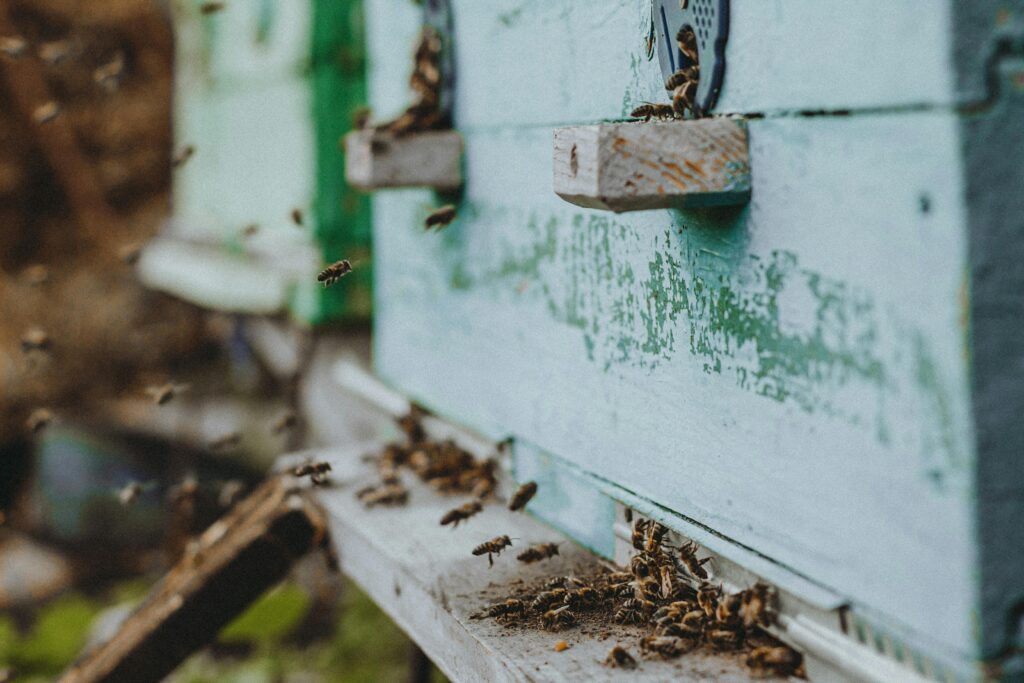
Ever walked into your backyard and heard that eerie hum? Not from your neighbor’s weed whacker, but from actual bees? If you’re in Phoenix, this isn’t just a desert quirk; it could be the start of something serious. Look, we all love bees from a distance. They pollinate, they’re essential to our environment, and their honey? Top-tier. But when they start treating your eaves, attic, or even your walls like their private Airbnb? That’s a problem. And not just any problem, one that needs fast attention. So, let’s check into the real signs your Phoenix home might have a buzzing issue and why bee control in Phoenix is more important than ever. Signs of a Bee Infestation 1. Buzzing Sounds in the Walls Yeah, this one seems obvious. But trust us, many people brush it off. If you’re hearing a low, constant hum, especially in the morning or late afternoon, bees may have moved in. It’s not your AC; it’s not pipes. It’s bees, and they’re getting cozy. 2. Bees Flying In and Out of a Specific Spot Do you keep seeing bees enter a small hole under your roofline? Around your chimney? Near your outdoor faucet or vents? That’s not random. Bees are creatures of habit. If they’re frequenting the same spot, chances are, they’ve built a home inside. A Scottsdale family found bees entering a tiny gap in their fence. Turned out there was a 4-foot hive inside their wall! 3. Honey Drips or Brown Stains on the Wall This one’s nasty and easy to miss if you’re not looking for it. Honey can seep into walls and leave dark, sticky stains. If you see unexplained spots, especially around ceilings or corners, don’t wipe them off and ignore them. It could mean there’s a hive inside the wall cavity. Plus, this can attract other pests such as roaches, ants, rodents, and even mold. You don’t want that cocktail in your home. 4. Sudden Increase in Bees in Your Yard A few bees? Normal. A lot of bees? Trouble. Bees swarming your pool, porch, bird bath, or patio cushions can be an indicator that they’ve set up nearby. Phoenix’s dry climate makes water sources extra attractive, and your pool might be the oasis they’re seeking. If you’re constantly dodging bees or hear kids scream every time they grab the garden hose, get help. 5. Bee Swarms Resting on Trees or Bushes Phoenix and surrounding areas like Mesa and Glendale see a lot of bee swarms during spring and summer. A swarm, basically a clump of bees hanging from a tree or fence, might be resting before settling in a more permanent home. While they’re usually calm, they can become aggressive if provoked. And if they’re close to your property, guess where they’re headed? Yep. Your walls. 6. Pets Getting Stung This one hits home. Dogs and cats are curious. A buzzing hive can look like a fun new toy to them. If your pet has unexplained swelling, is pawing at their face, or starts acting scared of a certain area in the yard, check it out. They might’ve found a hive before you did. And trust me, an emergency vet bill costs more than a preventative bee removal. 7. Visible Hive or Honeycomb Sometimes the signs are blatant. You may see a hive tucked under the eaves, behind a shutter, or inside a shed. And while it might look cool (and Instagram-worthy), it’s not something you want to DIY. Why Bee Control Phoenix Is So Important Living in Arizona means dealing with Africanized honey bees, often called “killer bees.” While that name is a bit dramatic, these bees are more aggressive and territorial than European honey bees. A small disturbance can provoke them into attacking in swarms. That’s dangerous for kids, pets, and even adults. So, why choose professional bee control Phoenix services? Here’s why: Safe Removal: Experts know how to remove bees without harming them or you. Hive Disposal: Leaving a hive inside a wall can rot wood and invite more insects. Prevention: They seal entry points to prevent re-infestation. Eco-friendly: Many services relocate bees instead of exterminating them. How to Spot Bee Problems Early Here’s a little cheat sheet to keep in your back pocket (or maybe screenshot this for later): Buzzing inside walls? Hive inside. Bees in a straight flight path? Hidden entry nearby. Sticky wall stains? Honey seepage. More bees at sunset? Swarm may be building. Pet reactions? Check yard corners. Don’t wait for signs to pile up. Early diagnosis is everything. What to Do if You Suspect a Hive Stay calm. Don’t swat or spray. It makes things worse. Keep pets and kids inside. Don’t block the hole. Trapping bees inside could force them into your house. Call a licensed bee removal company. Preferably local. They know the terrain and the bees. Need Bee Control in Phoenix? Act Fast. If you’re seeing any of the signs above, don’t risk it. Bee infestations can escalate quickly, especially in the Arizona heat. Reach out to a trusted bee control Phoenix team today and protect your family, pets, and peace of mind. Phoenix folks don’t let a minor buzz turn into a major problem. Stay alert, act early, and call in the experts when needed. With the right approach and local help, you can keep your home safe, your family sting-free, and the bees where they belong, far away from your couch. Call now for a free inspection. Same-day service in Phoenix, Tempe, Glendale, and beyond. Frequently Asked Questions (FAQs) 1. How common are bee infestations in Phoenix? Bee infestations are extremely common in Phoenix. The city’s warm, dry climate provides nearly year-round ideal conditions for bees to thrive and establish nests. 2. Are bee infestations dangerous? Bee infestations can be dangerous, particularly when involving Africanized honeybees, which are prevalent in Phoenix. These bees are known for their highly aggressive behavior and tendency to attack in
Common Bee Species in Phoenix: Africanized, Carpenter & More
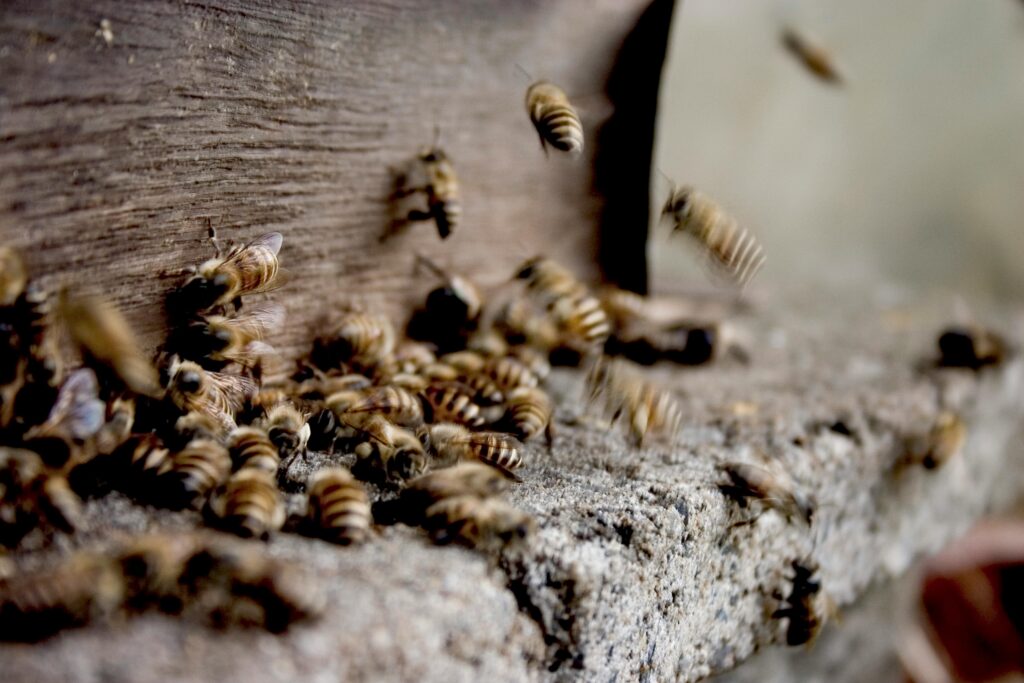
Living in Phoenix, you get used to certain desert realities: dry heat, the occasional dust storm, and yes, bees. Lots of bees. But not all bees are the same, and knowing the difference between a friendly pollinator and a hostile intruder can make all the difference when it comes to your safety. Whether you’re in Glendale, Mesa, Scottsdale, or right in the heart of Phoenix, bee problems aren’t just annoying, they’re potentially dangerous. Especially when we’re dealing with aggressive species like Africanized honey bees. This post breaks down the common bee species in Phoenix, shares real-life experiences from locals, and explains why bee control Phoenix services are not just important but often urgent. The Buzz About Bees in the Valley Arizona’s hot, dry climate is a literal magnet for bees. With over 1,000 bee species recorded statewide, it’s no surprise that some of the most common and sometimes the most dangerous, have made Phoenix their home. Here’s what makes the Phoenix area so attractive to bees: Warm temperatures most of the year Abundant desert and garden plants Residential areas with shaded spaces and water sources Plenty of nesting options in both natural and man-made structures But it’s not just about flowers and sunshine. Many bees in the Phoenix area can pose real risks to you, your family, and even your pets. The following are the most common bee species found in Phoenix: 1. Africanized Honey Bees (Killer Bees) Let’s start with the most infamous. Africanized honey bees are a hybrid of African bees and European honey bees. They were introduced to the Americas in the 1950s and quickly spread through the Southwest. Why they’re dangerous: Highly aggressive: They attack in large numbers. Easily provoked: Loud noises, vibrations, or even someone walking by can set them off. Chase victims: Africanized bees have been known to chase people up to 1/4 mile. If you suspect you have Africanized bees on your property, do not attempt to remove them yourself. 2. Carpenter Bees These solitary bees look similar to bumblebees but have shiny black abdomens instead of fuzzy ones. Why they’re a problem: Wood damage: Carpenter bees drill into wooden structures like decks, sheds, fences, and eaves. Long-term infestations: Left untreated, they can cause structural weakening. Unlike Africanized bees, they’re not aggressive toward people, but their nesting behavior can cause serious property damage. 3. European Honey Bees The classic honey bee is essential to pollination and agriculture. These bees are much less aggressive and generally safe to have around, unless they establish a hive on your property. Why control is still needed: They can still sting if threatened. Hives in walls or attics can lead to structural damage. Attract ants and rodents with leftover honey or wax. Many professional bee control companies in Phoenix will relocate these bees instead of exterminating them. 4. Sweat Bees Tiny and usually metallic-looking, sweat bees are attracted to, yep, you guessed it: human sweat. You’ll usually spot them on arms, necks, or even faces in the summer. Are they dangerous? Not really. Sweat bees rarely sting unless you swat at them. Still, they’re annoying, and large numbers may indicate a nearby nesting site. 5. Leafcutter Bees Common in gardens, these bees cut neat circles from leaves to build nests. You might notice them before you even see the bee itself. Good to know: They’re not aggressive and actually help with pollination. Don’t require removal unless their activity causes significant plant damage. Why Bee Control in Phoenix Is So Important You might be thinking, “Not all of these bees sound that bad.” And you’re right. But in Phoenix, the real risk is not knowing which bees you’re dealing with until it’s too late. Here’s why bee control Phoenix services are absolutely essential: 1. Bee ID Is Hard Without Experience To the untrained eye, a European honey bee and an Africanized bee look identical. But one is helpful, the other potentially lethal. Don’t take the chance. 2. Bee Activity Peaks in Spring and Summer This is when hives grow fast and aggressive behaviors increase. Be especially cautious from March through September. 3. Swarm Season Means More Risk Swarming bees may seem harmless while searching for a new nest, but if they settle in a bad spot (like a wall void or kids’ playhouse), it can turn dangerous fast. Why DIY Bee Removal Isn’t Worth It You might be tempted to handle a small hive yourself. Here’s why you shouldn’t: You risk multiple stings You may disturb the wrong species You could cause the colony to relocate deeper into your home Legal risk: Removing bees without a permit in some Phoenix areas is restricted Play it safe. Always call a licensed local expert. Local Bee Trouble Spots in Phoenix Some neighborhoods report higher bee activity due to landscaping, irrigation setups, or proximity to desert areas. Here are common hot spots: Ahwatukee Foothills Arcadia Laveen North Scottsdale South Mountain Desert Ridge Estrella Mountain Ranch If you live in any of these areas and see bee activity, don’t wait to call. Testimonials from Phoenix Residents “I thought the buzzing in the attic was just a few wasps—turns out there was a 3-foot bee hive behind the wall. The team removed it safely and even sealed the hole. Worth every penny.” — Tony D., Phoenix AZ “Bee control Phoenix companies saved my dog’s life. We had no clue a hive was inside our irrigation box. They came out the same day and handled it fast.” — Melissa R., Peoria AZ “As a realtor, I always recommend a bee inspection for homes in Scottsdale. It’s a common issue, especially with vacant homes. The peace of mind is worth it.” — Jill M., Scottsdale AZ Ready to protect your home from aggressive bees? If you’ve noticed unusual buzzing around your home, spotted a hive in the yard, or just want peace of mind during Arizona’s peak bee season, don’t wait
Why Bee Control in Phoenix Matters
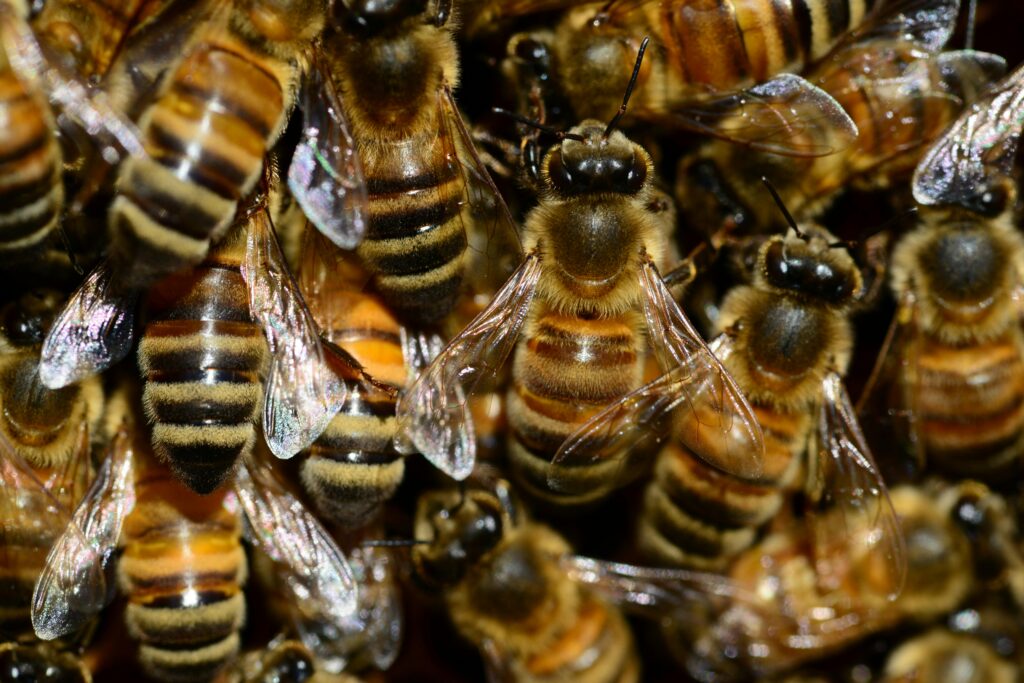
Did you know that Phoenix is one of the top cities in the U.S. for aggressive bee activity? Yep, if you’re living in Phoenix or nearby cities like Mesa, Chandler, or Tempe, bee swarms aren’t just a summer nuisance. They can be dangerous, even deadly. Picture this: you’re enjoying a beautiful Phoenix afternoon, maybe grilling in your backyard, when suddenly, a buzzing swarm appears. These aren’t your grandma’s bees –; encounters can be dangerous, even deadly, especially for those with allergies. For example, the Africanized honeybee, a highly defensive subspecies, is prevalent in the area, making even seemingly small swarms a significant threat. In this post, we’re going to talk about why bee control in Phoenix isn’t just about comfort. It’s about safety, prevention, and protection. You’ll hear real-life stories, get professional tips, and learn how to stop bees from turning your home into their hive. What’s Really Buzzing in Phoenix? Let’s start with what makes Phoenix so attractive to bees: Hot, dry climate – Bees thrive in warm temperatures, and Phoenix is basically a sun-powered hive paradise. Year-round activity – Thanks to mild winters, bees don’t go dormant here like in colder places. Suburban spread – New construction and older homes offer countless nesting sites: roof eaves, walls, outdoor sheds, pool equipment boxes, irrigation controls, chimneys—you name it. But here’s the real kicker: Africanized honey bees, sometimes known as “killer bees,” are widespread in Arizona. They’re more aggressive than regular honey bees, defend their hives fiercely, and will chase intruders up to a quarter mile. You don’t want to stumble across one of their colonies unprepared. Why Bee Control Phoenix Is an Urgent Need Let’s break this down. Bee control isn’t about hating bees—it’s about understanding the risks of unmanaged hives in an urban desert environment. 1. Public Safety Africanized bees don’t wait for you to provoke them. Just walking near their hive can set them off. They’ve been known to sting hundreds of times in coordinated attacks. For people with bee allergies, one sting can lead to anaphylaxis, a life-threatening emergency. According to the Arizona Department of Health Services, Arizona sees dozens of bee attack incidents annually, with multiple people requiring hospitalization every year. 2. Pet and Child Danger Children and pets are naturally curious. A dog sniffing around bushes or a kid pulling a chair near a tree could accidentally disturb a hidden colony. Bees can build nests in: Playground equipment Hollow trees or stumps Pool pump houses BBQ grills or outdoor kitchen cabinets And when they feel threatened, they attack as a unit. 3. Home Damage This might surprise you, but bees can cause serious property damage. Here’s how: Honey buildup can rot drywall or attract ants, rodents, and other pests. Hive weight can damage walls, ceilings, or insulation. Wax melts in high heat, causing sticky residue that’s hard to remove. Some colonies chew through wood or insulation to expand their nest. Without prompt bee control, you could be looking at expensive repairs on top of the removal costs. Signs You May Need Bee Control in Phoenix Don’t wait for a full-on swarm. Look for these signs around your home: Unusual bee traffic around one area (wall, tree, or bush). A low buzzing sound coming from walls or ceilings. Bees entering and exiting a small hole in siding or stucco. Wax-like residue or dark stains on exterior walls. Sudden aggression from bees near your yard. If you notice any of the above, don’t approach. Call a licensed bee control Phoenix professional immediately. What Professional Bee Control Includes You might be wondering, what actually happens during a bee removal service? Step 1: On-Site Inspection A licensed technician will: Identify the type of bee (honey bee or Africanized). Pinpoint the exact location of the hive. Assess how long it’s been there and how large it’s become. Step 2: Removal or Extermination Relocation is the first option when dealing with docile honey bees. Extermination is necessary if the bees are Africanized or the hive is in a dangerous location (like inside a wall). Licensed pros use protective suits, smoke devices, vacuum systems, and chemical treatments (when necessary) to neutralize the threat safely. Step 3: Hive and Honeycomb Removal Simply killing or relocating the bees isn’t enough. The entire hive structure must be removed. If left behind, it can: Attract new bee colonies Start to decay and smell Invite ants, roaches, or mice Step 4: Repairs and Prevention Some bee control companies offer repair services or recommend contractors who can: Seal up entry points Replace damaged walls or insulation Add vent screens or barriers They’ll also give you a list of bee-prevention tips specific to your property. Why DIY Bee Removal is a Bad Idea We get it; you’re handy. You’ve tackled ant hills and even trapped a raccoon once. But bees are a whole different game. Here’s why you shouldn’t attempt bee removal yourself: No protective gear means high risk of stings No training means wrong chemical use No relocation license means fines or legal problems You may only get part of the colony, causing the rest to relocate deeper into your structure Africanized bees are unpredictable and can swarm in less than 10 seconds. Professionals are trained to read their behavior and act fast. How to Prevent Bee Infestations in Phoenix If you live in the Valley, take these steps to prevent a bee problem: Seal holes and cracks in your home’s exterior Remove old junk like broken appliances or unused grills where bees might nest Check irrigation boxes, electrical boxes, and sprinkler systems regularly Keep trees and shrubs trimmed Schedule annual inspections with a pest control professional Avoid scented outdoor products that may attract bees (lotions, candles, etc.) Protect Your Family & Property If there’s one thing I hope you take from this, it’s that bee control in Phoenix isn’t optional, especially not with Africanized bees buzzing around. Whether it’s your home, your family, or your pets at
Subterranean Termites in Phoenix: What Homeowners Need to Know

Nothing’s more terrifying than waking with persistent subterranean termites every day. Be careful because these aggressive pests can cause merciless damages in your individual homes. Every year, these tiny termites are capable of millions of property damage across Maricopa County. Especially in areas of Ahwatukee, North Phoenix, and Laveen. Now, listen, you can’t let this pests get in your nerves, you have to eradicate them right now. In this blog, we will walk you how to prevent termites in Phoenix. Including how to identify them, what damage they do, and when it’s time to call a professional. What Are Subterranean Termites? First, you have to get to know what are these tiny enemies and what they really do. They are actually among the most destructive pests in Arizona, particularly in Phoenix. These pests lived underground which is why they are hard to detect. They can quickly move into your house, even if they are uninvited. And guess what they will only do? They’ll just damage your foundations, wooden structures, and insulation. Not a good thing to received from surprised visitors. The Reticulitermes hesperus is the most common species found in the Phoenix area. Because of the deserted environment Arizona have, these termites thrive. They dig through soil and moisture-rich environment to find food sources like wood. Because of the hot and dry climate, they love the moisture of your homes. Especially when you have foundation issues, leaky pipes, or a poorly sealed cracks. They want to feel at home. Signs of Subterranean Termite Infestations in Phoenix Homes Identify the presence of termite infestation as early as possible. This way, you can save your house from getting eaten by termites. Here are the most common signs that subterranean termites have invaded your Phoenix home: Mud Tubes on Walls or Foundations: Check the mud tubes build-up on your walls or foundations. These are their very own pathway to travel between their nests and food sources. If you see these dark and tube-like structures, then it’s a clear sign of termite activity. Swarmers in Spring and Early Summer: You must hate to see these winged insects near your windows, doors, or light fixtures. Termites swarm to reproduce during spring or early summer. And this could be a sign of a termite colony nearby. Wood Damage and Hollow Sounds: Tap on wooden structures like beams because termites eat wood from the inside out. If you hear a hollow sound, these means the termites have feasted inside. If you’re seeing any of these signs, it’s essential to schedule a termite inspection in Phoenix as soon as possible. For a more thorough inspection, contact a local professional like Maricopa County Pest Inspection Services. Why Termite Damage Is So Costly Subterranean termites may seem small, but their impact can be catastrophic. Over time, termites can cause severe damage to the wooden framework of your home, compromising the structural integrity of your property. Left unchecked, this damage can lead to: Major structural repairs: Roof beams, flooring, and walls could require extensive repair or replacement. Reduced home value: Potential buyers may be hesitant to purchase a property with a history of termite infestation. Increased insurance premiums: Depending on your coverage, termite damage might not be covered, leaving you with hefty out-of-pocket costs. In Phoenix, where wood structures are prevalent, the cost of termite damage can be particularly high. Homeowners who wait too long to address an infestation often face expensive repairs and the hassle of lengthy insurance claims. To know more about termites, you can visit the National Pest Management Association Termite Guide. How Subterranean Termites Enter Your Home Termites are sneaky—they can find their way into your home through even the smallest gaps. Here’s how they get inside: Foundation Gaps and Soil Contact: Termites often enter through cracks in your foundation, especially if your home is in contact with the ground. The soil provides an easy passage for termites to travel undetected. Leaky Pipes and Moisture Issues: Termites love moisture, and leaking pipes or other water sources provide them with exactly what they need to thrive. Check for standing water around your foundation or inside your home. Landscaping and Mulch Tips: Termites can also enter from the outside through landscaping features like mulch, which traps moisture and gives termites easy access to the foundation. Keep mulch away from the foundation and ensure the area around your home remains dry. Treatment Options for Subterranean Termites in Phoenix When you discover a termite infestation, it’s essential to act quickly. Here are some of the most effective treatment methods: Liquid Termiticides: One of the most common treatments, liquid termiticides are applied around the foundation of the home to create a barrier that termites cannot cross. Baiting Systems: Termite baits attract termites and poison them when they feed. These systems are typically installed around your property and monitor termite activity. Professional Termite Control: For severe infestations, it’s best to call in the experts. Professional pest control companies use advanced tools and techniques to eliminate termites and prevent future infestations. At Phoenix Termite Control Services, we offer comprehensive termite inspections and treatments to keep your home safe. If you’re considering DIY methods, remember that termite control is complex, and improper treatment can lead to further damage. It’s always best to consult a professional if you’re unsure. To know more about the harmful effects of using pesticides, you can visit the University of Arizona Pest Management Resources. Prevention Tips for Phoenix Homeowners The best way to protect your home from termites is to take proactive steps. Here’s how: Monthly Yard Inspections: Regularly check your yard for mud tubes or signs of termite activity. If you notice any, contact a pest control professional right away. Keep Wood Off the Ground: Store firewood, lumber, and other wooden materials away from the foundation of your home. Wood that touches the ground provides termites with easy access to your home. Schedule Annual Termite Inspections: Even if you haven’t noticed any signs of termites,