
Bee-Proofing Your Home: Structural Measures for Phoenix Homes
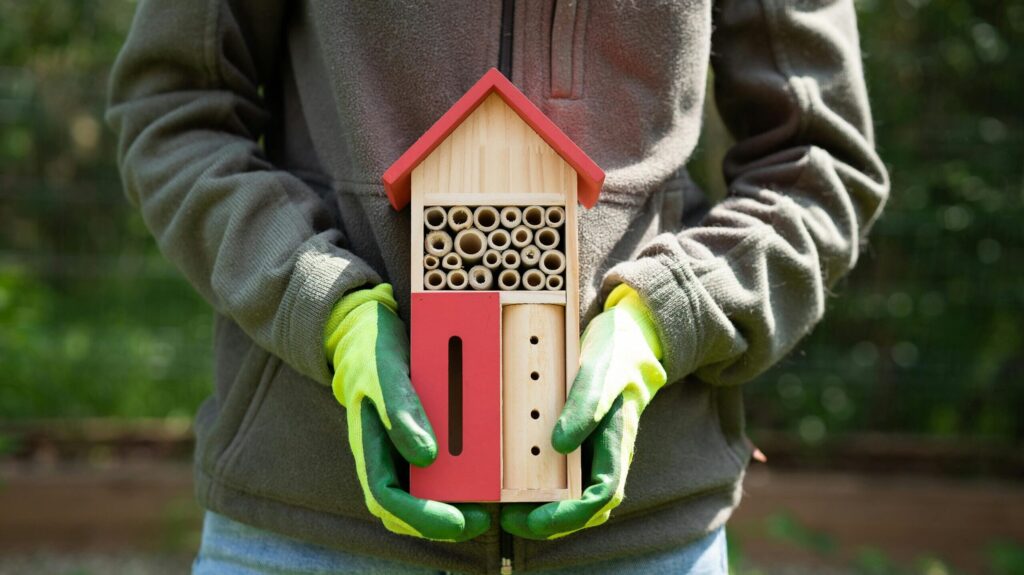
Living in Phoenix has its perks: sun-drenched days, mild winters, and stunning desert landscapes. But if you’ve ever heard buzzing inside your walls or found a swarm in your attic, you know bees can turn your desert paradise into a real headache. With long bee seasons and aggressive Africanized bees common in Maricopa County, homeowners need more than temporary fixes. You need a long-term strategy to protect your home. That’s why this guide is all about helping you bee-proof your home in Phoenix, from identifying the sneakiest bee entry points in your home to reinforcing your property so those buzzing visitors never settle in again. Why Bee-Proofing Matters in Phoenix Phoenix’s warm climate keeps bees active almost year-round. Unlike colder regions where bees go dormant in winter, desert-dwelling bees (especially Africanized honey bees) can stay active and even grow their colonies in December. And it’s not just outdoor stings you need to worry about. Once inside, bees can: Build massive hives in walls or attics Cause structural damage and honey leaks Attract ants, roaches, and rodents Pose serious health risks for allergic individuals The sooner you start bee-proofing, the better your chances of avoiding a costly infestation. Where Bees Get In: Common Entry Points in Phoenix Homes If you want to bee-proof your home, you’ve got to think like a bee. That means knowing where they look to nest. 1. Roof Eaves and Fascia Gaps Small cracks under rooflines or loose fascia boards offer easy access to your attic or wall voids. 2. Vents and Ducts Unscreened dryer vents, attic fans, and even chimney flues can provide entryways for scouting bees. 3. Wall Voids and Stucco Cracks Phoenix homes often have stucco finishes. Bees love the tiny cracks in stucco where they can burrow into insulation or wall cavities. 4. Utility Boxes and Meter Cabinets Bees like tight, enclosed spaces. Utility boxes attached to homes are prime real estate for a small swarm looking to establish a hive. 5. Block Walls and Fence Posts In Desert Ridge, Ahwatukee, and other Phoenix neighborhoods, block fences are common, and bees often nest inside hollow blocks if there’s an opening. Long-Term Strategies to Bee-Proof Your Phoenix Home It’s not just about sealing up one hole. Bee-proofing is about creating a layered, long-term defense system. Here’s how to do it: 1. Seal Cracks and Gaps Thoroughly Start with a walk around your home. Pay attention to the smallest of cracks, bees only need a hole the size of a pencil eraser to sneak in. Use exterior-grade caulk, expandable foam, or concrete patch to seal: Wall gaps Stucco cracks Gaps around windows and doors Foundation breaks Pro Tip: Recheck annually, especially after monsoon season or temperature swings that may open new cracks. 2. Screen All Vents and Openings Bees love airflow. Anywhere air flows out, they might try to fly in. Install fine-mesh screens (⅛ inch or smaller) over: Attic vents Soffit vents Dryer vents Chimney caps This is especially important in older homes in neighborhoods like Encanto Village or Garfield, where ventilation systems may not be bee-resistant. 3. Regular Roofline and Attic Inspections Have your roof inspected yearly for: Loose shingles Exposed underlayment Gaps between fascia and eaves Check your attic for buzzing, hive remains, or wax residue. Bees often leave behind scent trails that attract new swarms, so proper cleanup is critical. 4. Keep Yard Structures Maintained That includes: Sheds Detached garages Playhouses Gazebos Any structure with gaps or hollow spaces can be a nesting target. Seal cracks, install vent screens, and avoid clutter where swarms can land undisturbed. 5. Control Outdoor Water Sources Bees in Phoenix’s dry climate are always on the hunt for water. Remove temptation by: Fixing leaky faucets or irrigation Covering pools and fountains when not in use Emptying plant saucers and birdbaths regularly Fewer water sources mean fewer bees hanging around, and less chance of them sticking around. “I had bees enter through a cracked vent on my roof. I didn’t even notice until I heard them buzzing inside my bathroom wall,” says Jennifer A. from Laveen Village. “Spark Pest not only removed the hive but also showed me how to reinforce that area so it wouldn’t happen again.” This kind of proactive bee-proofing is what keeps infestations from recurring, and protects your investment. How Spark Pest Control Helps You Bee-Proof While some fixes are DIY-friendly, true bee-proofing often requires a trained eye and the right tools. Spark Pest Control specializes in: Full Property Inspections: Instead of just addressing visible bee activity, Spark Pest Control conducts a thorough inspection of your entire property. This includes a detailed examination of the exterior. Safe, Humane Hive Removals: Spark Pest Control’s technicians are trained to safely and humanely remove beehives. We understand bee behavior and employ techniques that minimize harm to the bees while ensuring the safety of homeowners. Sealing and Scent-Neutralizing Post-Removal Treatments: After hive removal, Spark Pest Control doesn’t just leave the area empty. We seal all entry points identified during the inspection using appropriate materials to prevent future infestations. Structural Consultation to Prevent Re-entry: Spark Pest Control goes a step further by providing expert advice on long-term bee prevention. We offer recommendations on structural improvements to make your home less attractive to bees. Don’t Wait for Buzzing in the Walls; Bee-Proof with Spark Keeping a bee-proof home in Phoenix isn’t a one-and-done job. It’s a long-term investment in your safety, comfort, and property value. By closing off bee entry points in your home and staying one step ahead of swarms, you can enjoy all the beauty of the desert without the buzzing surprise. In Phoenix, the best time to prevent a bee infestation is before it happens. Whether you’re sealing up an older home or want to make sure a recent hive won’t come back, Spark Pest Control has your back. Book a bee-proofing inspection today and keep
Seasonal Bee Behavior in Phoenix: What Seasons to Watch
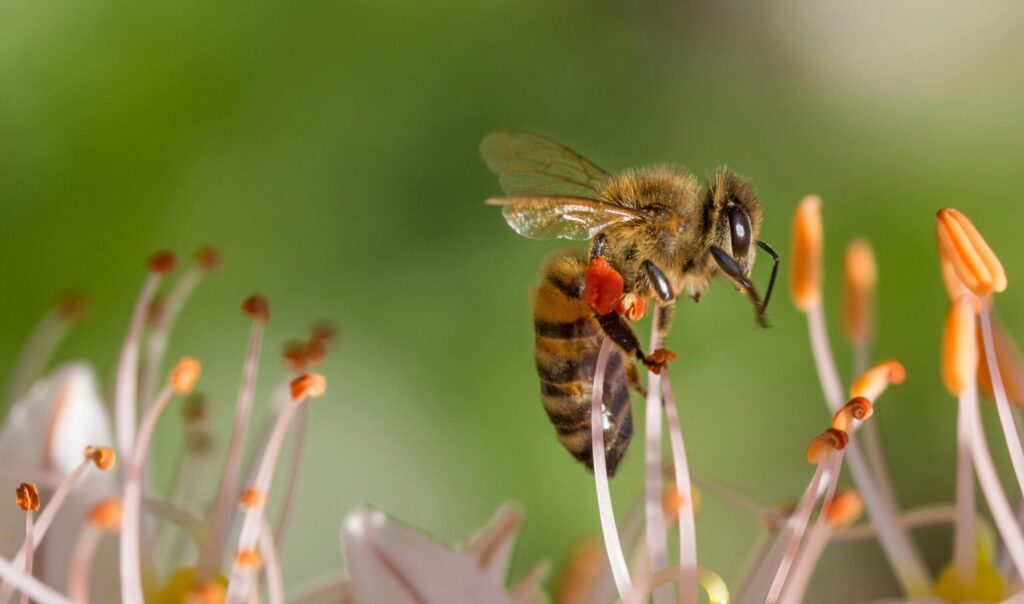
If you’ve lived in Phoenix for more than a year, you know our city doesn’t follow the same seasonal rules as other places. And neither do our bees. Unlike colder regions where bee activity is mostly limited to spring and summer, bee season in Phoenix stretches much longer, often beginning in late February and sometimes stretching well into November. Thanks to the region’s warm climate and abundant desert flora, bees are practically year-round guests here. And while bees play a vital role in pollination and plant health, they can also pose risks, especially when hives go unnoticed or when Africanized (aggressive) bee colonies move in. Knowing what to expect each season can help you stay safe, protect your property, and avoid costly infestations. Let’s break it down. Bee Season in Phoenix – What It Actually Looks Like You might assume bees are just active in spring, but in Maricopa County, the combination of mild winters, flowering plants, and urban water sources means bees have a longer window of activity than almost anywhere else in the U.S. Here’s how bee behavior changes through the year, and why it matters for homeowners, hikers, and backyard gardeners alike. Spring (March – May): The Start of Bee Swarm Season Spring in Phoenix is buzzing, literally. As temperatures rise and flowers start blooming across places like South Mountain, Arcadia, and Desert Ridge, bee colonies begin to emerge from their winter slowdown. What to Watch For Increased buzzing in gardens or yards Swarm sightings (clusters of bees in flight or resting on trees, fences, or buildings) Hive activity in walls, eaves, sheds, or attics This is also when bee swarming season begins, which means existing colonies are splitting and sending out scouts to find new homes. If your property has small cracks, open vents, or cluttered outdoor spaces, it might be on their radar. “Last April, we saw a swarm settle on our lemon tree,” says Carlos G. from Ahwatukee. “Thankfully, Spark Pest handled it before they built a hive in our patio roof.” Summer (June – August): Peak Activity & Aggression By summer, bee colonies are well-established and in full force. And if they feel threatened, they’re not shy about defending their hive. What to Watch For Highly active flight paths around flowers or pool areas Bees entering and exiting the same wall crack repeatedly Aggressive behavior near a suspected hive Africanized bees, which are common in Phoenix, are especially active during this time and more likely to sting when disturbed. If you see bees coming and going from a hidden area of your home, don’t investigate it yourself; call a pro. Fall (September – November): Pre-Winter Foraging and Nesting Fall is often overlooked, but it’s still a critical time in bee season for Phoenix. Colonies are preparing for cooler months and may seek out warm, enclosed areas to ride out the winter, like your attic. What to Watch For Bee traffic near eaves or rooflines Nests forming in sheds or garages Diminishing flower activity, but persistent bees Don’t let your guard down just because temperatures are dropping. Bees are still on the move, especially in East Valley neighborhoods like Mesa, Chandler, and Queen Creek, where vegetation can stay active longer due to irrigation. Winter (December – February): Are There Bees in Winter in Phoenix? Yes, bees in winter in Phoenix are still around; they’re just less visible. While colonies do slow down in colder temperatures, Phoenix winters aren’t truly cold enough to shut down bee activity completely. If the temperature rises above 55°F, especially on sunny afternoons, you might still see foragers out collecting pollen from citrus trees, rosemary, or other winter bloomers. What to Watch For Bees active around warm spots like brick walls or chimneys Hives hidden in attics or wall voids Swarms on unseasonably warm days If bees have already established a hive inside your property, they won’t leave on their own just because it’s winter. Many infestations are actually discovered during this slower season when buzzing becomes audible through walls. Why Year-Round Awareness Matters Waiting for “bee season” to take action isn’t a safe bet in Phoenix. Because of the climate, bees can be active year-round. And infestations, especially those in hidden areas, can grow quickly and quietly until they become a serious hazard. Keeping an eye out in every season, especially during the transitional months, can help you avoid costly damage and risky stings. When to Call for Bee Removal or Inspection If you notice any of these signs, it’s time to bring in professionals like Spark Pest Control: Persistent bee presence in one area Visible hive or swarm Buzzing inside walls Previous hive location that wasn’t properly cleaned or sealed Don’t wait for stings or structure damage to act, the earlier the intervention, the easier (and safer) the fix. Don’t Let the Seasons Catch You Off Guard, Spark Pest Can Help Whether it’s spring swarms, summer stings, or winter surprises, bee behavior in Phoenix can be unpredictable. That’s why Spark Pest Control offers year-round inspections, humane removals, and prevention strategies designed specifically for the desert climate. Schedule your seasonal checkup today and keep your home bee-free, no matter the month. Frequently Asked Questions 1. When is bee season in Phoenix? Bee season typically starts in March and can last through November due to Phoenix’s warm climate and extended blooming periods. 2. Are bees active during winter in Phoenix? Yes. While they’re less active, bees can still be seen foraging on warmer winter days and may remain inside established hives. 3. What attracts bees to homes in Phoenix? Bees are drawn to Phoenix homes by several factors. Unsealed openings like vents and wall voids provide nesting sites, while readily available water sources, such as leaky hoses or pools, offer hydration. 4. What’s the best time to remove a hive? Early spring or late fall are ideal times because hives are smaller
Bee Allergies and Stings: What Phoenix Residents Need to Know
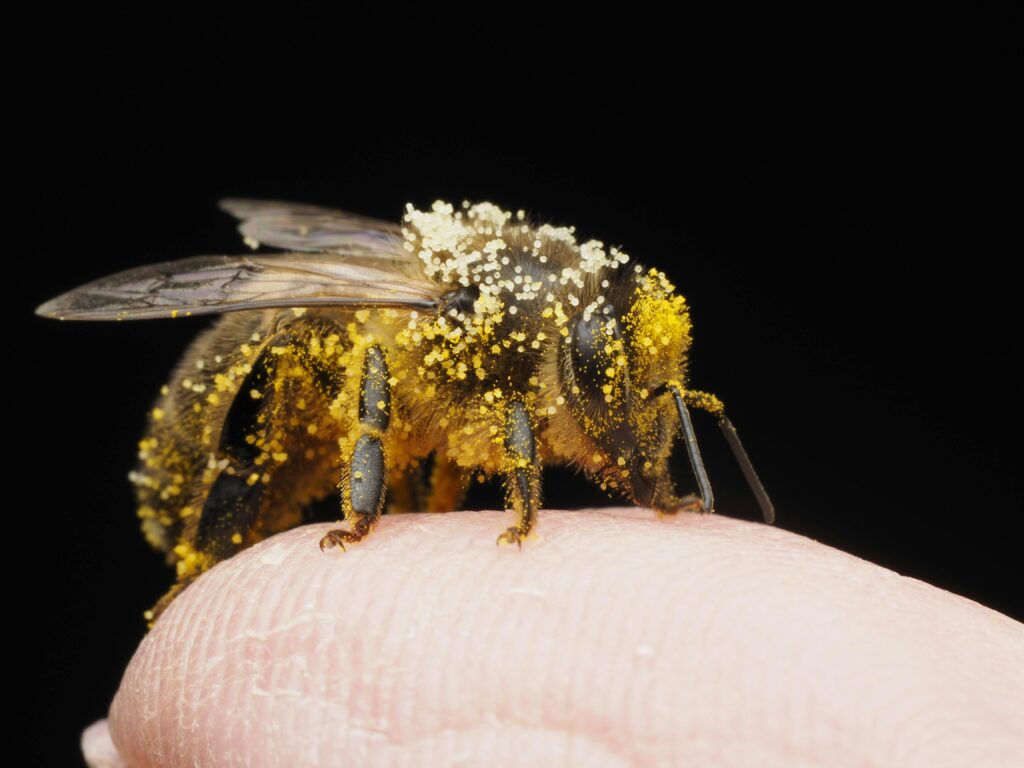
Let’s face it, bees are a part of life in Phoenix. Whether you’re hiking through South Mountain, enjoying backyard gardening in Arcadia, or lounging by the pool in Deer Valley, the occasional bee encounter is pretty much guaranteed. And while most stings are harmless, for some people, especially those with bee allergies in Phoenix, a single sting can quickly become a medical emergency. Whether you or a loved one is allergic or you’re just trying to avoid painful stings altogether, this guide covers everything you need to know, from prevention to first aid and how to recognize when things are serious. Why Bee Safety Is So Important in Phoenix Phoenix’s hot climate and long blooming seasons mean that bees are active most of the year, not just during spring. Some neighborhoods experience Africanized bee activity, which increases the risk of aggressive swarming, even in urban areas. Combine that with the fact that an estimated 5% of Americans have some form of insect sting allergy, and you’ve got plenty of reasons to learn how to spot, prevent, and react to bee stings before they become a major issue. Common Bee Species in Phoenix 1. Western Honey Bees Generally non-aggressive, but will sting if provoked or defending a hive. 2. Africanized Honey Bees Sometimes called “killer bees,” these are more aggressive and more likely to swarm. 3. Carpenter Bees They look scary, but males don’t sting. Females rarely do unless trapped or provoked. Knowing which bee you’re dealing with can help determine the level of risk involved — and whether you need to keep your distance. Recognizing Bee Allergy Symptoms It’s important to know the difference between a normal reaction and an allergic reaction to a bee sting. Here’s a breakdown: Normal Reaction Sharp pain at the sting site Swelling or redness that remains local Mild itching Moderate Reaction Larger swelling that extends beyond the sting area (e.g., an entire arm swells after a sting on the hand) Lasts up to a week Severe Allergic Reaction (Anaphylaxis) Hives or skin rash spreading across the body Swelling of the throat, lips, or tongue Trouble breathing or wheezing Dizziness or loss of consciousness If someone experiences signs of anaphylaxis, it’s a life-threatening emergency. Call 911 immediately and use an epinephrine auto-injector if available. What To Do If You’re Stung by a Bee in Phoenix Bee stings can happen fast. Whether you’re out on a hike in Papago Park or watering your backyard succulents, here’s what to do: 1. Get Away from the Area If stung by an Africanized bee, run to shelter immediately. These bees call for backup and can chase you for hundreds of feet. 2. Remove the Stinger Use a flat object like a credit card to scrape the stinger sideways. Don’t use tweezers, squeezing can release more venom. 3. Clean the Area Wash the site with soap and water to prevent infection. 4. Apply Cold Compress This helps reduce swelling and relieve pain. Use 15-minute intervals. 5. Take Antihistamines or Pain Relievers Benadryl and ibuprofen can help manage itching and discomfort. First Aid Kit Essentials for Bee Stings Every Phoenix household should have a sting-ready first aid kit, especially if you spend time outdoors. Here’s what to include: Epinephrine auto-injector (if prescribed) Antihistamine tablets (like diphenhydramine) Hydrocortisone cream Cold packs Sting wipes Bandages Tweezers (for splinters, not stingers) Bee Sting Safety in Phoenix: Prevention Tips Phoenix is buzzing, literally. With warm temperatures nearly year-round and native desert blooms, bee activity is a normal part of life. But if you’ve ever had a close call or know someone allergic, you know how important proactive prevention is. Whether you’re relaxing on the patio or hiking through Papago Park, these practical tips can help you avoid stings and enjoy the outdoors with peace of mind. 1. Wear Light-Colored, Smooth Clothing Bees are naturally attracted to dark colors and fuzzy textures because, in the wild, those traits resemble predators, think bears or other animals that threaten their hives. In their world, that makes you look dangerous. So when you’re working in the yard or walking through areas with flowers or shrubs, opt for white, tan, beige, or pastel colors and smooth-finished fabrics like cotton or nylon. 2. Avoid Strong Scents Bees rely heavily on their sense of smell to find food sources. That fancy floral perfume or coconut body lotion you just put on? To a bee, it’s basically an open invitation. To avoid this, skip scented products before spending time outdoors. This includes not just perfumes and colognes, but also scented sunscreens, fruity shampoos, aftershaves, and deodorants. 3. Cover Food and Drinks Outdoors Open containers, especially sugary ones like soda, juice, or sweet tea, are like candy shops for bees. During Phoenix’s long outdoor season, it’s tempting to leave drinks on the patio table or snack bowls on the deck, but unattended food is a major bee attractant. Use cups with lids and straws, keep trash bins sealed, and store leftovers immediately after eating. 4. Keep Windows and Vents Closed It doesn’t take much for a bee to sneak inside, especially if you live in neighborhoods like Ahwatukee, South Mountain, or Desert Ridge, where outdoor greenery is dense and buzzing with activity. Open windows, wall vents, and dryer ducts are common access points. Make sure your windows and sliding doors are fitted with tight mesh screens, and seal small cracks or gaps around the edges. 5. Stay Calm Around Bees If a bee flies near you, especially if you’re holding something sweet, the worst thing you can do is panic. Swatting, flailing, or running can be interpreted as aggression. Bees aren’t looking to attack unless they feel threatened. Instead, stay calm, move slowly, and gently walk away from the area. When to Seek Medical Attention Not all stings need a trip to the ER, but here’s when you should get help immediately: Multiple stings (especially from a swarm)
Top 5 Bee-Proof Plants for Phoenix Gardens
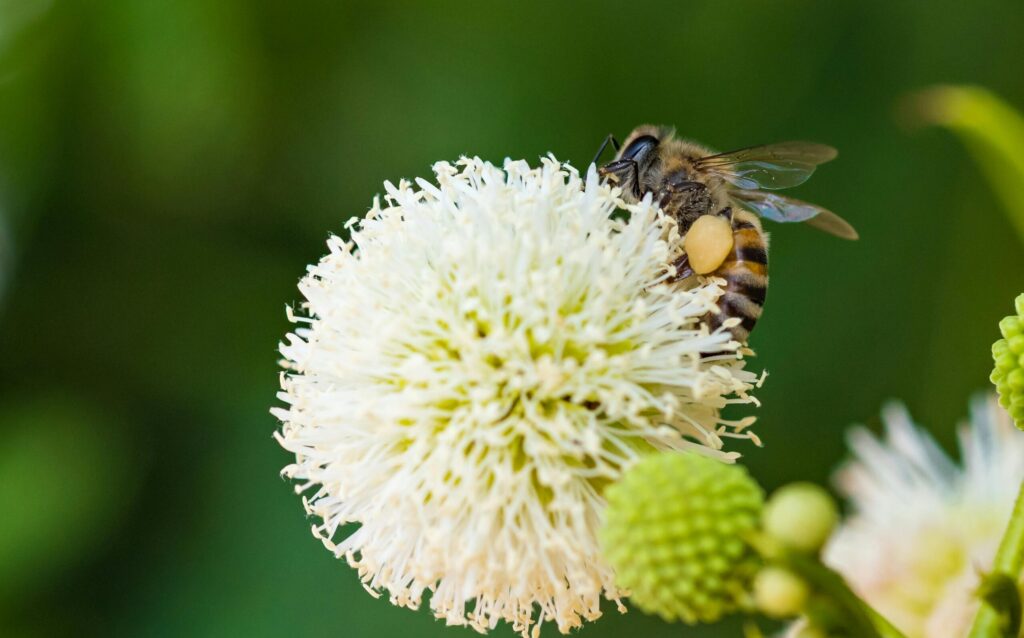
Love your garden but not the constant buzzing of bees? You’re not alone. Here in Phoenix, where warm weather and blooming plants dominate most of the year, it’s common for backyards to become hot spots for bee activity. While bees play a vital role in pollination, some homeowners, especially those with allergies, children, or pets need options that reduce the risk of attracting stinging visitors. Whether you’ve had a hive scare or just want to create a safer outdoor space, this guide breaks down the top 5 bee-proof plants for Phoenix gardens, along with practical garden pest tips to keep your yard functional and beautiful , without inviting unwanted winged guests. Why Bee-Proof Landscaping Matters in Phoenix Phoenix has one of the longest active bee seasons in the country. From early spring through late fall, residential gardens can attract honey bees, bumblebees, and even aggressive Africanized bee swarms, especially if there are flowering plants and water sources nearby. While bees are crucial to the ecosystem, certain properties may require bee deterrence strategies, especially in neighborhoods like Arcadia, Ahwatukee, and Deer Valley, where hive activity is common. If you’re concerned about hives forming close to home, planting bee-resistant species is a great starting point. What Makes a Plant “Bee-Proof”? No plant is 100% bee-proof, but some are significantly less attractive to bees due to: Low nectar or pollen output Scent profiles that deter pollinators Dense, non-flowering foliage Modified or double blooms (harder for bees to access) In short, bee-proof plants don’t offer much of what bees are looking for, so they move on to more attractive blooms elsewhere. Top 5 Bee-Proof Plants for Phoenix Gardens These five plants are proven to thrive in Phoenix’s arid climate while also minimizing bee interest: 1. Lantana (Lantana camara) Why it works: Lantanas are drought-tolerant, colorful, and widely used in Arizona landscaping. While some bees may hover briefly, the strong scent and compact blooms generally deter them. Lantana also attracts butterflie, a great trade-off. Garden Tip: Deadhead regularly to encourage more blooms and prevent overgrowth. 2. Red Yucca (Hesperaloe parviflora) Why it works: Despite the name, red yucca’s tubular flowers are more likely to attract hummingbirds than bees. It’s also a hardy, low-maintenance plant that can survive intense Phoenix sun. Garden Tip: Space out Red Yuccas near walkways to add structure without attracting stingers. 3. Dusty Miller (Senecio cineraria) Why it works: This silvery-leaved plant has virtually no bee appeal thanks to its fuzzy texture and lack of showy flowers. It’s also a beautiful border plant that can handle dry conditions. Garden Tip: Pair with colorful annuals that are also low in nectar to add contrast without inviting pollinators. 4. Rosemary (Rosmarinus officinalis) – Pruned Form Why it works: Yes, rosemary can attract bees when flowering. But regular pruning prevents it from blooming while still giving you an aromatic, edible shrub that doubles as a pest deterrent. Garden Tip: Keep it trimmed and use clippings in the kitchen, win-win! 5. Society Garlic (Tulbaghia violacea) Why it works: While not garlic at all, this plant’s strong scent keeps bees and many other pests away. The blooms are small, but not bee favorites, and the leaves are edible with a light garlic flavor. Garden Tip: Use it as a natural border around patios or pool decks where stings are most dangerous. Phoenix Garden Pest Tips to Keep Bees (and Other Pests) Away Even with the right plants, maintaining a bee-unfriendly garden in Phoenix takes a bit of strategy. Here are smart moves you can make: 1. Avoid High-Nectar Plants Plants that produce lots of nectar are basically open invitations for bees. While they may be beautiful and beneficial in pollinator gardens, they’re not ideal if you’re trying to keep bees away from your yard. Lavender, salvia, sunflowers, and citrus blossoms are top offenders; they smell amazing and produce plenty of nectar and pollen, making them bee magnets. 2. Skip Bright Yellow and Blue Flowers Bees don’t just follow their noses, they’re also highly responsive to color, especially yellow, blue, and violet tones. These colors stand out to bees the same way a neon sign grabs your attention on the freeway. If you’re planting flowers for visual impact but want to minimize bee interest, go for reds, oranges, or whites. 3. Use Drip Irrigation Water is essential in Phoenix gardens, but standing water is a problem. Bees, especially during the dry summer months, are constantly looking for hydration sources. Birdbaths, open sprinkler heads, and even clogged gutters can provide enough moisture to keep bees lingering. Drip irrigation systems solve this problem by delivering water directly to plant roots without creating puddles or exposed surfaces. 4. Keep Trash and Compost Covered You’d be surprised how often unsealed garbage bins or exposed compost piles draw in bees, wasps, and other pests. Sweet and fermented smells are particularly attractive to bees during the summer and fall when natural nectar sources start drying up. Make sure your trash bins have tight-fitting lids and keep fruit peels, juice containers, and other sugary waste well-contained. 5. Regularly Inspect for Scout Activity Bees don’t typically settle in immediate; they send scouts to find ideal locations. These scouts will hover around potential nesting sites like wall cracks, attic vents, utility boxes, or backyard clutter. If you notice persistent hovering or see bees entering and exiting the same small area, it’s a sign that a hive may be forming. Early detection is key to avoiding full-blown infestations. Want a Safer Yard Without Sacrificing Style? Spark Can Help If you’ve spotted bee activity or just want peace of mind, Spark Pest Control can inspect your Phoenix property, offer landscaping advice, and recommend safe, proven solutions to keep your garden beautiful and bee-free. Call today for a free property assessment and take the sting out of backyard life. Frequently Asked Questions 1. Are bee-proof plants safe for pets? Yes, most are non-toxic,
What Happens After Spark Pest Removes a Bee Hive
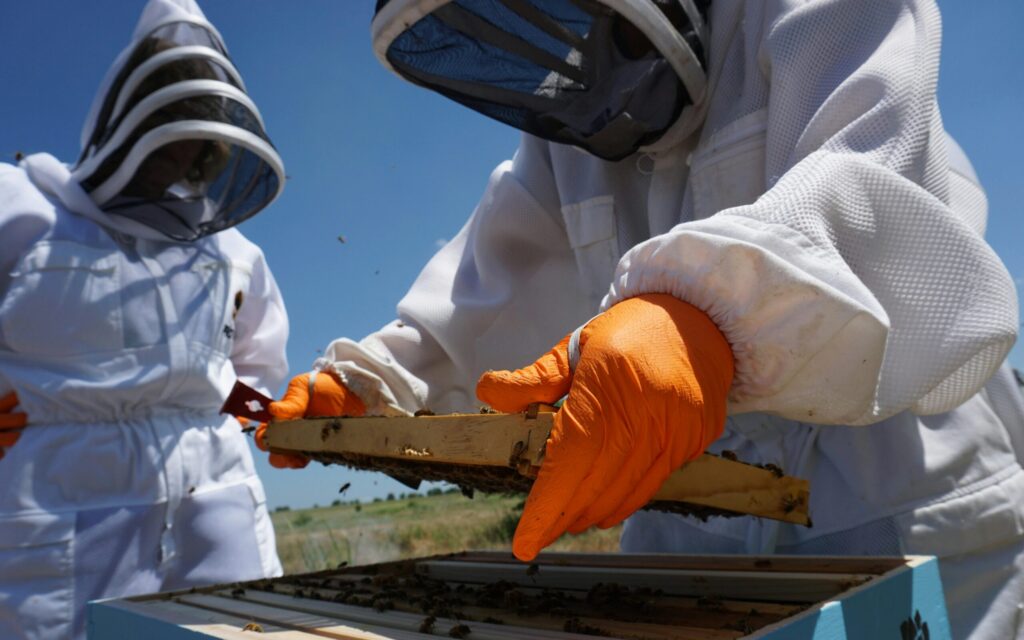
So, you’ve just had Spark Pest Control safely remove a buzzing bee hive from your Phoenix home; now what? It’s easy to assume that once the bees are gone, the job is done. But in reality, the phoenix bee hive removal aftermath is just as important as the removal itself. Without proper post-service care, cleanup, and follow-up inspections, you might find yourself facing another infestation in the same exact spot. In this blog, we’re walking you through what happens after the hive is removed, why follow-up matters, and how Spark Pest Control ensures your home stays bee-free, free for good. Why Aftercare Matters in Bee Hive Removal When Spark removes a bee hive from your property, the goal isn’t just to eliminate the immediate threat. It’s to make sure the hive doesn’t come back and that your space is safe, clean, and protected long-term. Bee colonies, especially aggressive or Africanized bees common in Phoenix, leave behind pheromone trails, wax, and honey that can attract future swarms. If even a trace remains, it’s like a welcome mat for new colonies. That’s why post-service care is crucial. And it’s exactly where Spark’s follow-up process shines. Step-by-Step: The Phoenix Bee Hive Removal Aftermath Process Let’s break down what actually happens after Spark removes the hive from your Phoenix home or business: 1. Full Hive Extraction and Cleaning Once the hive is physically removed, whether from a wall void, tree, or attic, the team goes in to clean out all residual materials. That includes: Wax comb Honey residue Dead bees Any broken hive fragments Why it matters: Leftover honey can leak into walls or attract ants and rodents. Old wax can also act like a magnet for new bee scouts. 2. Deodorizing the Area to Remove Pheromones Bees use pheromones to mark hive locations. If you don’t neutralize those scents, another swarm could try to reclaim the same spot, even within a few days. Spark applies a natural, bee-safe enzyme treatment to eliminate all scent traces. This is especially important in residential areas like Arcadia, Camelback, and North Phoenix, where bee populations are dense. 3. Sealing Entry Points to Prevent Reinfestation Next comes one of the most critical steps: bee-proofing your property. The team inspects the entire structure and seals up any gaps, cracks, or voids the bees used to get in. Common entry points in Phoenix homes include: Stucco wall cracks Roof eaves Outdoor utility boxes Ventilation openings Spark uses durable sealants and mesh to block re-entry without affecting ventilation or structural integrity. 4. Wall and Property Repairs If hive removal requires opening a wall, stucco panel, or soffit, Spark makes sure to patch, repaint, or restore the area. This not only brings your property back to normal but also hides visual cues that might encourage bees to return. 5. Follow-Up Inspection (Optional But Recommended) In high-risk neighborhoods or cases involving Africanized bee hives, Spark recommends scheduling a 30-day follow-up inspection. This check ensures: No signs of new scout activity Seals and barriers are still intact No pheromone return or hive residue “They came back a month later and double-checked everything,” said Chris M., a customer in Laveen Village. “It gave me total peace of mind.” 6. Optional Preventive Treatments In some cases, Spark offers eco-safe deterrent applications that help prevent future swarms from nesting on your property. These sprays are odorless to humans but deter bees and other pests from settling in. It’s a smart add-on if your property has experienced multiple hives in the past or is surrounded by flowering plants and trees. Bee Hive Removal in Desert Ridge In Desert Ridge, a homeowner discovered bees entering through a small attic vent. Spark removed a 12-pound hive nestled behind insulation. But what really saved the day was the post-removal work: Honey and wax cleaned out Vent screened off Attic deodorized One-month inspection showed no signs of return The client left a five-star review, noting: “We were amazed at how thorough Spark was. We expected them to just remove the bees, but they went above and beyond to make sure they stayed gone.” Signs That a Hive Might Be Coming Back Even after removal, it’s smart to stay aware of early warning signs. If you notice any of the following, give your pest control company a call: Bees scouting or hovering near old hive spots Strange buzzing inside walls or attic Sticky spots or honey residue New bee traffic around utility boxes or roof edges Post-Hive Peace of Mind Starts With Spark Beehives in Phoenix aren’t just a one-time nuisance; without proper follow-up, they can come back stronger and more aggressive. Spark Pest Control doesn’t just remove hives. We make sure your home stays protected, sealed, and bee-free. With Spark Pest Control, removal is only part of the solution. Post-hive care and prevention are the real game-changers that keep your Phoenix home safe, secure, and totally buzz-free. Schedule your post-removal inspection or learn more about our prevention plans today. Peace of mind is one call away. Frequently Asked Questions 1. Is it necessary to clean the area after bee hive removal? Yes, cleaning after beehive removal is crucial. Removing honey residue and pheromones prevents attracting new bees to the same location. Failure to clean thoroughly significantly increases the risk of reinfestation. 2. How do I know if the bees are completely gone? If you no longer see bee activity after a few days and hear no buzzing near entry points, it’s a good sign. A professional follow-up inspection can confirm. 3. Can bees come back after removal? Yes, bees can return to a location even after removal. This is especially true if the area isn’t thoroughly cleaned and any openings are not sealed. Bees leave behind pheromones that attract other bees to the same location. 4. What does Spark use to seal bee entry points? Spark uses a combination of pest-resistant caulking, foam sealant, and metal mesh to seal
How to Spot Africanized Bee Hives Around Phoenix Communities
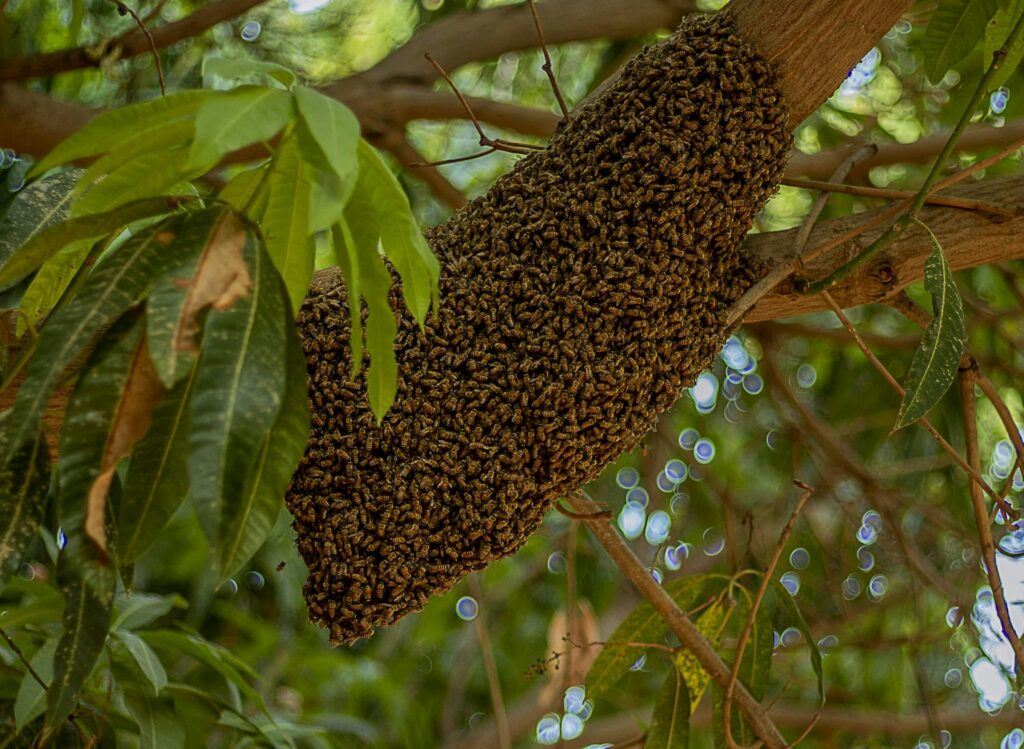
Bees are a regular part of life in Phoenix. They buzz around citrus trees, pollinate desert plants, and generally mind their own business. But when you’re dealing with Africanized honey bees, also known as “killer bees,” things can get serious fast. These aggressive bees look just like the regular ones we all know, but their behavior is a whole different story. In recent years, reports of attacks and hive invasions in Phoenix neighborhoods like Ahwatukee, Deer Valley, and Laveen have been climbing. So, how can you protect your home, your family, and your pets? It starts with knowing what to look for. This guide will help you spot the early Africanized beehive signs in Phoenix, avoid danger, and take action before a small buzzing becomes a big threat. What Makes Africanized Bees So Dangerous? You’ve probably heard the nickname “killer bees.” It’s a dramatic name, but there’s real concern behind it. Africanized honey bees are a hybrid species known for their: High defensiveness Quick agitation Swarming behavior Larger attack radius Unlike their European cousins, these bees will chase people or pets for hundreds of feet if they feel threatened. And they’re more likely to nest in unusual, hard-to-spot places, which makes early detection that much more important. Key Signs of Africanized Bee Activity in Phoenix Spotting a hive early can make all the difference. Here are the top signs that you might have a dangerous bee hive forming near your home: 1. Persistent Buzzing in Unusual Places If you notice a constant hum around areas like outdoor vents, eaves, or even irrigation boxes, don’t ignore it. Africanized bees prefer enclosed, shaded spaces and often nest in: Block walls Attic vents BBQ grills Utility boxes Garbage bins A customer in North Phoenix once called after hearing buzzing behind a retaining wall. We discovered a full colony hidden behind loose bricks, and yes, they were Africanized. 2. Sudden Aggressive Bee Behavior Are bees chasing you when you get near your shed or back gate? That’s a red flag. Africanized bees don’t need much provocation and will swarm if they feel their hive is even slightly threatened. Look for: Bees following you aggressively Multiple stings within seconds Pets acting scared or getting stung near certain areas 3. Visible Bee Trails to a Hidden Entry Watch for bees coming and going from the same tiny hole or crack. They usually form a clear “flight path” to their hive. Common entry points include: Roofline gaps Cracks in stucco Electrical boxes Water meter boxes Once that path is established, the colony can grow fast, sometimes in just a matter of days. 4. Unusual Hive Locations Africanized bees often choose odd nesting spots that are closer to the ground or areas with high foot traffic. Unlike European bees that prefer trees or high places, these bees go for: Tires Flowerpots Barbecue grills Piles of debris Outdoor furniture We once removed a hive from under a child’s plastic playset in Chandler. The homeowner thought it was just a small swarm. Why Phoenix Communities Are at Risk Phoenix’s hot climate and long blooming season create a perfect storm for year-round bee activity. Add in dense neighborhoods, desert landscaping, and water sources like irrigation systems, and you’ve got a bee magnet. Communities in South Mountain, Arcadia, and Estrella Village report some of the highest incidents of Africanized bee infestations due to their mix of old and new structures with plenty of hiding spots. What to Do If You Suspect a Hive Nearby First and most importantly, don’t try to handle it yourself. Africanized bees can become violent fast, especially if the hive is disturbed. Here’s what you should do instead: Keep your distance: Maintaining a significant distance from a beehive is paramount for safety. A minimum of 100 feet is recommended to reduce the risk of encountering agitated bees. This distance also allows you to keep children and pets safely indoors, away from the potential danger zone. Bees can become defensive if they feel threatened, and proximity increases the risk of stings. Avoid loud noises or vibrations: Bees are sensitive to vibrations and loud noises. Activities such as mowing, trimming bushes, or using power tools near a beehive can easily disturb the colony, causing them to become aggressive and more likely to sting. Therefore, it’s crucial to avoid any such activities in the vicinity of the hive until it has been professionally removed. Call a licensed professional: Attempting to remove a beehive yourself is extremely risky and often ineffective. Licensed bee removal specialists possess the expertise, protective equipment, and knowledge to safely and legally remove the hive while minimizing harm to the bees and your property. They are trained in humane removal techniques and can properly identify the species of bee, which is crucial for determining the appropriate removal strategy. Furthermore, they are familiar with local regulations concerning bee removal. Contacting a professional ensures a safe and efficient resolution to the problem. “We had a hive behind our backyard fence. Spark Pest Control came out the same day and relocated the bees without a single sting,” said Kevin T. from Ahwatukee Foothills. Prevention Tips to Keep Hives Away Stopping an infestation before it starts is easier than dealing with one. Here are smart, simple steps to prevent Africanized bees from nesting on your property: Seal Entry Points: Walk around your home and look for gaps in siding, vents, roof tiles, or cracks in stucco. Seal them with caulk or screening. Remove Nesting Sites: Clear away unused yard items like tires, buckets, and old furniture where bees might hide. Limit Water Sources: Fix leaking sprinklers and don’t leave standing water in trays or plant pots. Schedule Seasonal Inspections: Professional inspections, especially in early spring, can catch hives before they grow. See the Signs? Don’t Wait, Call Spark for Safe Bee Removal If you notice any of these signs of an Africanized bee hive in Phoenix, play it
Customer Case Study: Bee Hive Removed in Camelback Neighborhood
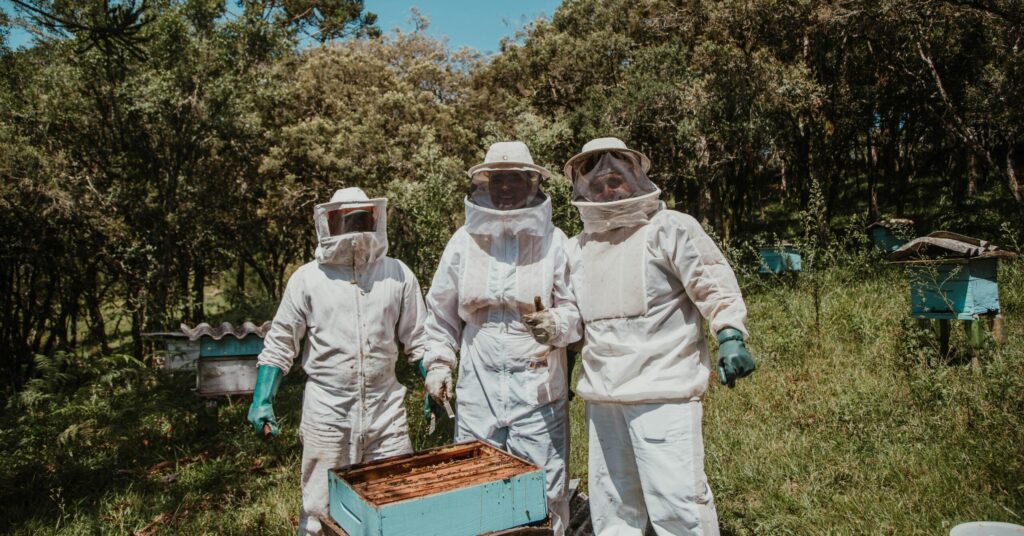
When bees began buzzing near the patio wall of a quiet Camelback neighborhood home, homeowner Ellen L. had no idea she was about to face a full-blown infestation. What started as a few stray bees quickly escalated into a major hive hidden inside her stucco wall, threatening her pets, family, and peace of mind. In our Phoenix bee removal case study, we walk you through how Spark Pest Control handled the situation from first inspection to final relocation, using humane and sustainable methods that protected both the residents and the bees. It all started with a sound. You know the one, that low, persistent hum that creeps into your day when something’s not quite right. For Ellen L., a longtime resident of Phoenix’s Camelback neighborhood, it began with just a few bees she noticed hovering near her back patio. “It wasn’t anything scary at first,” she told us. “Just a few bees coming and going from the side of the wall. I thought they’d move on.” But they didn’t. From a Few Bees to a Full-Blown Infestation Over the next few days, Ellen began seeing more bees. Not just a few, but dozens. Then one morning, she saw her small dog swatting at a bee near the garden hose box. A sting followed. “That’s when I knew it was more than just a couple of visitors,” she said. After inspecting the area more closely, she noticed something she hadn’t before: a small crack in the stucco wall, with bees flying in and out like they owned the place. And worse? There was a faint trail of honey oozing along the inside corner of her outdoor storage room. That’s when Ellen picked up the phone and called Spark Pest Control, a company she’d heard about from a neighbor who had dealt with a similar issue the year before. Spark Steps In We arrived the next morning. Ellen was nervous. Not just about the bees, but about what we might have to do to remove them. “I was afraid they’d just spray chemicals and kill everything,” she admitted. But at Spark, we take a different approach. We prioritize humane bee removal in Phoenix whenever possible, especially in residential areas where families and pets are involved. Our technician, Marco, began with a thorough inspection of the property. He immediately identified several signs of an active hive: A steady flow of bees entering a wall void Buzzing vibrations inside the stucco Visible wax residue around the entry point Honey seepage inside the wall Worse still, based on the bees’ behavior, they were likely Africanized. More aggressive than typical European honeybees. The Phoenix Bee Removal Case Plan We laid out a step-by-step plan for Ellen that included live bee removal, safe transport of the hive, sealing of all entry points, and repair of her wall. Here’s how we handled it: Step 1: Calm the Colony We used natural smoke to reduce aggression, allowing us to work safely without triggering a defensive swarm. Step 2: Open the Structure Our team carefully removed part of the stucco wall to access the full hive, which turned out to be about the size of a beach ball. Step 3: Remove and Relocate The entire colony, including the queen, was safely removed and placed in transport containers. They were later relocated to a local Arizona apiary where they could continue pollinating crops away from people. Step 4: Clean and Seal We thoroughly cleaned out the remaining honeycomb and wax (which could attract future swarms), then sealed the wall with a matching stucco patch to restore the exterior. Step 5: Preventative Treatment As a final touch, we treated the area with eco-safe deterrents to keep any new scouts from trying to rebuild. Problem Solved and Peace of Mind Restored From start to finish, the entire removal took just a few hours. Ellen’s property was left spotless, bee-free, and, most importantly, safe. “I couldn’t believe how smoothly it went,” Ellen told us later. “The bees were removed without being harmed, and my grandkids were able to come over again the next day without me worrying.” And here’s the best part: we followed up with Ellen 30 days later, and there had been no signs of returning bees. Her home was protected and future-proofed. What We Learned from This Case Ellen’s story isn’t different. In fact, Phoenix bee removal case studies like this one happen across Camelback, Arcadia, North Mountain Village, and other bee-heavy zones year-round. Here’s what we took away: Small signs can mean big problems; don’t ignore buzzing or minor leaks. Humane bee removal works, and it’s the best long-term solution. Professional help saves time, money, and frustration, not to mention safety risks. Dealing with a Hive? Let Spark Handle It The Right Way If you suspect a beehive in Phoenix, don’t wait. Let Spark Pest Control remove it safely, humanely, and legally. We care about pollinators and your peace of mind. Our trained experts serve all of Maricopa County, with same-day availability and honest pricing. Call Spark Pest Control now for a free inspection or schedule online. Let’s take care of the buzz together. Frequently Asked Questions 1. How do I know if there’s a hive inside my wall? Repeated sightings of bees entering and exiting the same small gap in your wall are a strong indicator of a hive inside. You might also hear a buzzing sound from within the wall itself or notice telltale signs. 2. What’s the difference between European and Africanized bees? Africanized bees are more aggressive and defend their hive in larger numbers. Both look similar, but behavior reveals the difference. 3. Can I remove the bees myself? No. Attempting to remove bees yourself is strongly discouraged. DIY bee removal is dangerous, as bees can become aggressive when disturbed, especially if their hive is threatened. 4. What happens to the bees after Spark removes them? After bee removal, the priority is always the humane treatment and relocation
Protecting Bees While Ensuring Safety: Sustainable Approaches in Phoenix
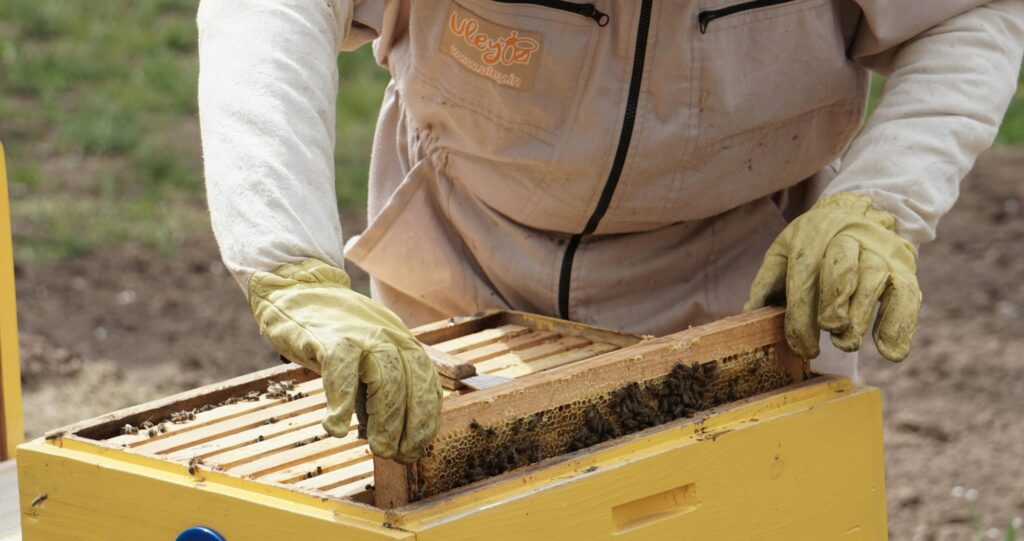
If you’ve ever had a swarm of bees set up shop near your home, you probably felt a mix of fear and hesitation. On one hand, you want them gone, especially with kids, pets, or neighbors nearby. On the other hand, you know how important bees are for the environment. So what do you do? In Phoenix, where bee activity is high and the desert ecosystem is delicate, this is more than just a personal concern. It’s a community issue. Balancing public safety with environmental responsibility requires smart choices, expert intervention, and sometimes a bit of patience. Let’s explore how sustainable bee control in Phoenix is not only possible, but practical. From humane relocation to eco-safe deterrents, we’ll cover how to handle bee problems without harming pollinators and why this matters now more than ever. Why Sustainable Bee Control Matters in Phoenix Phoenix is a hotbed for bee activity, literally. With warm temperatures almost year-round and flowering plants throughout neighborhoods, bees find plenty of reasons to stay busy here. But with that comes a higher risk of infestations, especially from Africanized honey bees, which are more aggressive than their European relatives. The goal isn’t to eliminate bees. It’s to manage their presence responsibly. Bees are crucial for: Pollinating crops and backyard gardens Maintaining local plant diversity Supporting native wildlife ecosystems But when hives form inside walls, near schools, or in heavily trafficked areas, they pose real safety concerns. This is where humane bee removal comes in, a method that respects both people and pollinators. Common Bee Challenges in Phoenix Neighborhoods Certain areas of Phoenix, especially those near irrigation canals, citrus trees, or desert landscaping, see a high number of infestations. Homeowners in Ahwatukee, Arcadia, Deer Valley, and South Mountain have reported increasing bee issues over the past few years. Testimony – Maria G., Arcadia: “We had a hive in our outdoor storage shed. At first, we thought they’d just go away. But a week later, our dog got stung. Spark Pest Control removed the hive without using any harmful chemicals. They even relocated the bees safely. It felt good to know we were part of the solution.” Eco-Friendly Methods for Bee Control So, what does eco-friendly bee control actually look like? It goes beyond avoiding pesticides. It involves conscious practices that: Avoid killing bees unless absolutely necessary Preserve beneficial insects and native species Prevent future infestations without environmental damage 1. Live Hive Removal and Relocation The most sustainable way to remove bees is to relocate the entire hive. Licensed pest control professionals work with local beekeepers to carefully extract the colony and move it to a safer, controlled location where they can continue to pollinate. How it works: The hive is inspected and species identified Safe tools and methods are used to remove it The bees are contained and transported The area is cleaned and sealed to prevent re-entry This process requires skill, patience, and the right equipment, which is why it should always be done by professionals. 2. Natural Deterrents and Prevention Prevention is key in sustainable control. There are natural, bee-safe ways to discourage nesting near homes without harming pollinators. Examples of natural deterrents: Planting mint, eucalyptus, or citronella, which bees dislike Installing mesh screens over vents and openings Regularly inspecting and sealing cracks or wall cavities Avoiding sugary water or open trash bins outdoors These small efforts reduce the chances of bees choosing your space to settle. 3. Pesticide-Free Control Options In cases where bees must be removed quickly, low-toxicity, organic treatments are sometimes used as a last resort. These treatments are designed to: Minimize harm to other insects and wildlife Break down quickly in the environment Avoid contaminating soil or water Professionals use these only when absolutely necessary and always follow Arizona Department of Agriculture and EPA guidelines. The Role of Local Beekeepers and Environmental Agencies Phoenix is home to a growing community of urban beekeepers, many of whom partner with pest control teams to rescue hives. These bees are relocated to managed apiaries or farms where they can safely continue pollination work. Local groups, like the Maricopa County Cooperative Extension, also offer education on native bees and sustainable practices, an important part of creating a bee-safe culture citywide. Quote from a local beekeeper: “When Spark calls us in, it means we can save the bees and give them a second chance. Every hive matters, especially as pollinator populations face global decline.” What Homeowners Can Do Right Now If you’re in Phoenix and want to protect your home and the bees start with these smart steps: Inspect and monitor: Check for unusual buzzing, bee trails entering holes or gaps, or visible wax near eaves and sheds. Seal potential entry points: Use caulk or mesh to close gaps in walls, roof tiles, or fence lines. Maintain your landscape: Trim back overgrown shrubs, clean up fallen fruit, and avoid leaving standing water in planters or buckets. Educate your family: Teach kids and neighbors not to swat at bees or disturb hives. Awareness can prevent accidents. Choose Smart, Safe, and Sustainable Bee Control with Spark Protect your home without harming the planet. At Spark Pest Control, we specialize in sustainable bee control in Phoenix. Our experts use humane methods, partner with local beekeepers, and follow eco-friendly practices to keep your family safe and your conscience clear. Don’t risk DIY mistakes or harmful chemicals. Let us help you handle bee problems the smart way. Call Spark Pest Control today for a free, eco-safe inspection. Let’s make your property safe for everyone, including the bees. Frequently Asked Questions 1. Is it legal to relocate bees in Phoenix? Yes. Bee relocation is encouraged when done by licensed professionals. It’s a legal and humane option supported by local environmental policies. 2. Are Africanized bees relocated or exterminated? Due to their aggression, Africanized bees are often exterminated for safety. However, this decision is made by licensed experts based on the risk level.
Is It Legal to Kill Bees in Phoenix? Arizona Regulations Explained
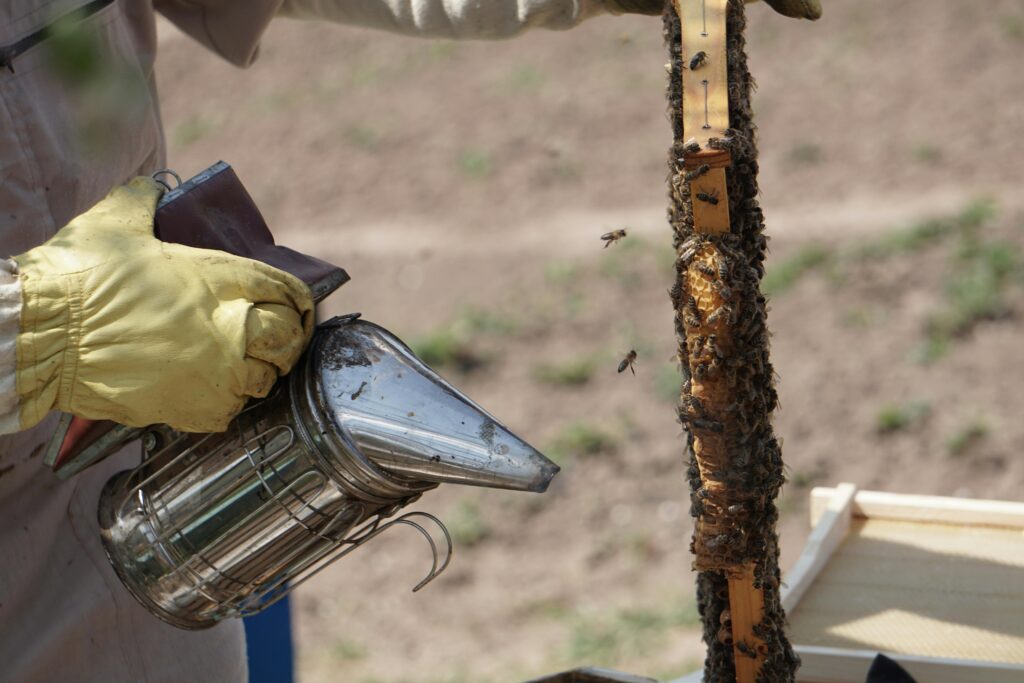
If you’ve spotted a buzzing hive near your porch or noticed bees swarming around your irrigation box, your first reaction might be, “How do I get rid of this fast?” But before you reach for a can of spray or call a handyman, it’s important to ask a bigger question: Is it even legal to kill bees in Phoenix? In Arizona, bee control isn’t just about safety. It’s also about compliance with both state and local laws. Some bees are protected, others are aggressive and dangerous, and the way you handle them can have serious legal and environmental consequences. This guide breaks it all down: what’s legal, what’s not, and how to protect your home without breaking the law. We’ll also share local insights, real-life experiences from Phoenix homeowners, and practical steps you can take if bees become a problem on your property. Why Bee Control Laws Matter in Phoenix Phoenix has become a hotspot for bee activity, especially Africanized honey bees, commonly referred to as “killer bees.” These bees are more aggressive than traditional European honey bees and are known to attack in swarms when threatened. But not all bees are dangerous. In fact, many are critical pollinators. That’s why Arizona law is designed to balance public safety with environmental responsibility. The goal is to reduce risks without destroying important bee populations unnecessarily. What Arizona Law Says About Bee Removal In Arizona, bee removal is regulated under the Arizona Department of Agriculture (AZDA) and local city ordinances. While it’s not illegal to remove bees from your property, there are rules you need to follow, especially if the removal involves pesticides, certain species, or large infestations. Legal Bee Removal in AZ: What You Need to Know Here’s a quick summary of key points regarding legal bee removal in Phoenix and surrounding areas: Licensed Professionals Required: If pesticides are used or if the hive is located in a commercial or public area, removal must be handled by a licensed pest control company. Pesticide Restrictions: Homeowners using over-the-counter sprays must follow all EPA-approved label guidelines. Misuse can lead to fines or health risks. Protected Species: While Africanized bees are not protected, native bee species, such as certain bumblebees and carpenter bees, may be. Local Regulations: Some HOAs and city codes (like those in Maricopa County) require official documentation of safe removal, especially for properties near schools or parks. Testimonial – Sam H., Glendale, AZ: “I tried removing a hive myself and ended up with a warning from my HOA and a swarm in my garage. Spark Pest Control walked me through the legal process and handled it quickly. I had no idea there were rules about this.” When Killing Bees Is Not Legal Killing bees without regard for safety or the law can land you in hot waterthe . Not to mention harm your neighbors or environment. You may be breaking the law if you: Use banned pesticides or apply them improperly Destroy a hive that belongs to a protected species Attempt removal on public or HOA-controlled property without permission Cause harm to neighbors or pets due to poor removal practices Arizona takes public health seriously, especially when bee activity threatens people in parks, apartment complexes, schools, or high-traffic areas. Understanding the Risk: Africanized vs. European Bees One major legal and safety concern is Africanized bees, which look like regular honeybees but behave much more aggressively. They’re responsible for hundreds of emergency calls each year across Phoenix and Maricopa County. Key differences: Africanized bees attack in larger numbers They nest in strange places (tires, walls, mailboxes) They’re more likely to sting with little provocation Because of the danger they pose, quick removal is often necessary, but it must be done correctly and legally. Who You Can Call for Legal Bee Removal in Phoenix You don’t have to figure this out alone. If you’re unsure whether you’re allowed to remove bees yourself or if you need a permit, it’s best to call a licensed pest control specialist with experience in bee control laws Phoenix. A reputable professional will: Identify the species of bee involved Remove or relocate the hive safely Provide documentation for HOAs or local officials Ensure full compliance with Arizona state law Real experience – Denise M., Ahwatukee: “We had bees nesting under the tiles on our roof. I didn’t want to kill them, but we have two toddlers and a dog. Spark Pest Control explained the legal options, removed the hive, and even helped us seal the area to prevent it from happening again.” Alternatives to Killing Bees in Arizona Not all infestations require extermination. In fact, bee relocation is often preferred, and it’s fully legal when done by certified pros. Benefits of relocation: Protects the local ecosystem Keeps pollinators active in safe zones Prevents hive regrowth in the same area Avoids the use of harsh pesticides Spark Pest Control and other licensed services often work with beekeepers or relocation partners to save hives when it’s safe to do so. What to Do If You Spot a Hive on Your Property If you see increased bee activity or discover a hive, here’s what you should (and shouldn’t) do: Do: Keep pets and children away Observe from a distance Call a licensed bee removal expert Inform your neighbors if they might be at risk Don’t: Attempt to smoke or spray the bees yourself Seal off the entrance while bees are inside Knock down or disturb the hive Delay action if bees are showing aggression Stay Safe and Stay Legal, Call Spark Pest Control Today If you’re dealing with a bee infestation in Phoenix or Maricopa County, don’t risk legal trouble or personal injury. At Spark Pest Control, our licensed technicians know the bee control laws in Phoenix and will remove or relocate hives in full compliance with state and federal guidelines. Whether you’ve got Africanized bees or just need advice on a buzzing shed, we’re here to help. We
Phoenix Neighborhoods Most Affected by Bee Infestations
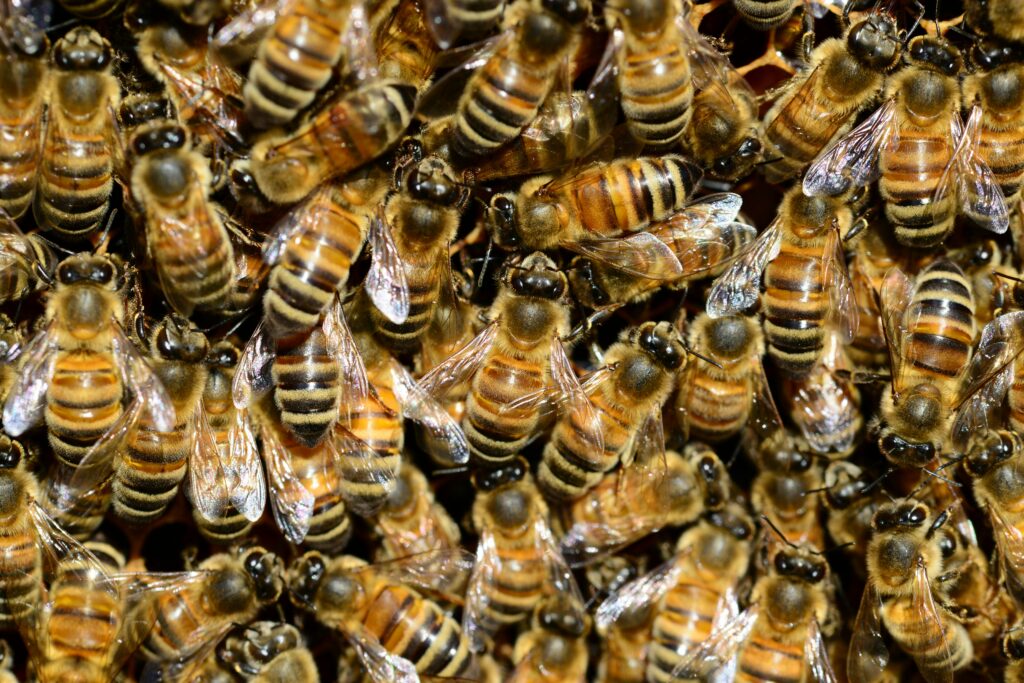
Phoenix might be known for its sunny skies and desert beauty, but if you’ve lived here long enough, you know there’s another frequent guest that shows up uninvited: bees. From buzzing hives in backyard sheds to aggressive swarms near schoolyards, bee infestations are a growing concern for many local neighborhoods. And we’re not just talking about the sweet little honeybees. In parts of the Valley, Africanized bees, often called “killer bees,” have been found nesting in walls, irrigation boxes, and even public playgrounds. At Spark Pest Control, we’ve responded to thousands of calls across Phoenix neighborhoods, and patterns have emerged. Some areas experience far more infestations than others, due to vegetation, water sources, older structures, or even HOA landscaping. So, let’s take a look at the Phoenix areas most affected by bee problems, and what you can do to protect your home and family. Why Bee Infestations Are Common in Phoenix The Sonoran Desert may not seem like bee heaven, but for many bee species, including Africanized honeybees. Phoenix is perfect. We have hot temperatures, ample flowering plants year-round, irrigation systems, swimming pools, and homes with plenty of hidden nooks. In spring and early summer, bee swarms are particularly active, seeking out cool, dark spaces to build new hives. Once they settle in, removing them isn’t as simple as spraying and hoping they leave. In fact, improper removal can make the problem worse or even dangerous. Testimonial from Jane L., Ahwatukee Foothills: “We kept hearing a low humming sound in our outdoor wall, and within a week, there were bees flying in and out constantly. Spark Pest Control was quick to respond. They located the hive and safely removed it without harming our garden. I had no idea bees could take over that fast.” Top Phoenix Neighborhoods With High Bee Activity Bee activity isn’t evenly distributed throughout the city. Here are the Phoenix areas where we’ve seen the highest concentration of bee infestations, and what might be attracting them. 1. North Mountain Village Nestled near the Phoenix Mountain Preserve, this area is rich with vegetation, desert trails, and shady backyards. These conditions make it a hotspot for nesting bees, especially in spring. Common hive spots: Attics and roof eaves Outdoor sheds Irrigation valve boxes 2. Ahwatukee Foothills This scenic, family-oriented community is known for its desert landscape and proximity to South Mountain. Unfortunately, the blend of water features and native plants often attracts bee colonies. Homeowners here have reported: Large swarms in cinder block walls Hives inside backyard grills and patio furniture Bee activity near schools and HOA-maintained parks 3. Arcadia Arcadia’s lush landscapes and citrus trees are a dream for bees. Older homes and irrigation systems also provide easy access points for hive building. Signs to watch for: Bees entering through wall cracks Increased buzzing near fruit trees Constant bee presence near garden beds 4. Deer Valley Deer Valley’s mix of commercial zones and suburban neighborhoods creates an ideal environment for bees to spread quickly. Frequent issues: Bees are swarming utility boxes Colonies inside sprinkler housing Activity near school playgrounds 5. South Phoenix As South Phoenix continues to grow, construction and disturbed land may force bees to relocate to nearby homes. With open lots and water retention areas, bees often find shelter here fast. Reported trouble spots: Apartment complexes Business signs and light poles Unused outdoor grills and garbage bins Local tip from Spark Pest Control tech, Marco R.: “We see repeat infestations in neighborhoods with older irrigation setups or block fences. Bees love small, warm, protected places, and unfortunately, Phoenix has a lot of them.” How to Know if Your Neighborhood Is at Risk Even if you’re not in one of the neighborhoods listed above, bee problems can happen anywhere in Phoenix. Certain conditions make some properties more vulnerable. Look out for: Older homes with unsealed vents or cracks Lots of flowering plants or citrus trees Consistent access to water (leaky hoses, fountains) Abandoned structures or sheds nearby If you or your neighbors have experienced bee issues before, your property may still be at risk. Bees often return to the same spot if the hive isn’t fully removed. Bee Infestation Warning Signs to Watch For You don’t need to wait until bees take over your garage. Early warning signs can help you act quickly before a small problem becomes a dangerous one. Here’s what to watch for: Constant buzzing in a specific area of your yard Bees entering and exiting the same hole or crack repeatedly Clusters of bees near walls, fences, or rooflines Discovery of wax, honey, or bee parts near an opening What to Do if You Suspect a Bee Infestation If you think bees are nesting on your property, don’t attempt to remove them yourself, especially if you suspect they may be Africanized. Here’s what to do: Stay away from the area Keep kids and pets inside Don’t block or spray the entrance Call a licensed bee removal specialist right away The team at Spark Pest Control uses safe, effective removal methods and will determine whether relocation or extermination is the best option based on the situation. Concerned About Bees in Your Neighborhood? Call Spark Pest Control Today Phoenix bee infestations aren’t just annoying. They can be dangerous. Whether you’re in Arcadia, Ahwatukee, or anywhere across Maricopa County, our licensed professionals at Spark Pest Control are ready to help. We offer fast response, safe removal, and follow-up prevention to keep your home bee-free. Don’t wait for a swarm to settle in. Take action today. Call now for a free inspection or schedule online. Let’s protect your family and your neighborhood. Frequently Asked Questions 1. Which Phoenix neighborhood has the most bee problems? Areas like Arcadia, Ahwatukee, and North Mountain Village report higher infestation rates due to landscaping and older infrastructure. 2. What makes certain Phoenix areas more prone to bee infestations? Plentiful vegetation, water sources, and older buildings with