
Phoenix Pest Control Laws: What You Should Know

Have you spotted a few ants in the kitchen or heard rustling in the attic and thought, “Time to grab some spray.” Or maybe you’ve called a pest control company, and they came out the same day. Simple, right? Well, not so fast. Whether you’re a homeowner, tenant, or landlord, pest control in Phoenix comes with legal guidelines, and ignoring them could cost you more than just a bug problem. From licensing rules to tenant-landlord responsibilities, it’s important to know what the law actually says before you start spraying or hiring someone to do it for you. Who Regulates Pest Control in Arizona? If you’re in Phoenix, the state agency you need to know about is the Arizona Department of Agriculture (AZDA), specifically its Office of Pest Management. Licensed Pros Only In Arizona, pest control isn’t a free-for-all. Anyone performing pest control services for others, including termite work, weed control, and indoor treatments, must be licensed. This includes both the company and the technician applying the product. Training and Safety Are Mandatory To become licensed, applicators need to undergo state-approved training, pass exams, and follow strict safety guidelines. Even if you’re using store-bought chemicals in a commercial setting or for someone else’s property, you could be breaking the law if you’re not licensed. Real-world example: “A buddy of mine owns a few rental properties in Phoenix. He tried using a pro-grade termite product himself and got hit with a state fine. He had no idea it was regulated.” — Ramon C., Phoenix, AZ Homeowners: What You Can (and Can’t) Do Legally If you’re treating your own home and not charging anyone, you’ve got a bit more freedom, but there are still limits. What You CAN Do: Use over-the-counter sprays, baits, and traps from the hardware store Apply treatments only on your personal property Follow all safety instructions on product labels (this is required by federal and state law) What You CAN’T Do: Apply commercial-grade pesticides without a license Perform pest control on someone else’s property for compensation Use restricted-use chemicals like soil termiticides unless you’re certified Renters vs. Landlords: Who Handles Pest Control in Phoenix Rentals? This is a big one, especially in multi-unit buildings or single-family rentals. Pest control responsibilities between tenants and landlords can vary, but Arizona law has a few basics. Landlords Are Responsible For: Ensuring the rental property is habitable, including being free from serious pest infestations Taking care of issues like cockroach or termite problems not caused by tenant behavior Providing pest control services as outlined in the lease Tenants May Be Responsible For: Keeping the unit clean and free of food or clutter that attracts pests Reporting pest problems early before they get out of control Paying for pest control if the issue was caused by neglect (like trash buildup or food left out) Pro tip: Always spell out pest control responsibilities in the lease. It avoids headaches for both sides. Legal Pest Control Practices in Phoenix You Should Know About There’s more to this than just who sprays what. Integrated Pest Management (IPM) Public schools and some government buildings must follow IPM protocols, which prioritize prevention and low-toxicity treatments over constant spraying. Restricted Use Products Some pesticides are restricted or banned in Arizona, especially those harmful to people, pets, or the environment. Don’t assume “more powerful” means better; it may be illegal. Notification Rules If pest control is being done in apartment complexes, workplaces, or public areas, tenants or occupants must be notified in advance. Spraying without notice could violate both state law and lease agreements. Proper Disposal Matters You can’t just toss unused pesticides in the trash. Arizona has specific disposal regulations to protect soil and water. Many local hazardous waste facilities accept pesticide containers; just don’t dump them down the drain. Example: “My kid’s elementary school posted a notice saying pest control would be done over the weekend. I later found out Arizona law requires that for schools. Makes me feel better knowing they take it seriously.” — Tina J., Scottsdale, AZ How to Choose a Legal and Safe Pest Control Company in Phoenix Not all pest control companies are created equal. Here’s how to find one that’s both legal and trustworthy: Verify their license with the Arizona Department of Agriculture Ask about their treatment methods and request safety data sheets Look for pet-safe or kid-friendly options if that’s important to your family Check reviews and testimonials from Phoenix locals Make sure they provide proper documentation and pre-treatment notices (especially in multi-family homes) “Our Pest Tech Explained Everything and Followed the Rules” “We rent a home in Phoenix and noticed a recurring ant problem. Our landlord called a local pest control company. The technician showed us his license, explained every product he used, and even gave us a 24-hour reentry guide. I felt completely safe having my toddler around after they left.” — Michelle D., Phoenix, AZ Want pest control that’s fully legal, licensed, and safe for your property? Look, pest control might not seem like a legal gray area, but in Phoenix, it definitely comes with a rulebook. Whether you’re treating a few ants in your kitchen or managing pest issues in a rental property, knowing the laws protects your health, your wallet, and your peace of mind. Reach out today for service from trusted Phoenix professionals who know the law and follow it every step of the way. No guessing, no shortcuts, just reliable protection done right. Frequently Asked Questions 1. Is it legal to do my own pest control in Phoenix? Yes, if you’re treating your own personal property using over-the-counter pest control products. You must verify that a Phoenix pest control company possesses the state-issued license to utilize commercial-grade or restricted-use pesticides. 2. Do I need a license to spray pesticides at a rental property I own? Yes, if you’re applying professional-grade treatments or treating multiple properties. Even landlords must use licensed pest control providers for anything
Area Pest Control Spray Safe for Kids and Pets?

Bugs are annoying, but the thought of using chemicals around your little ones or fur babies? Even more stressful. If you’ve ever sprayed for ants or roaches and then immediately panicked, wondering, ‘Are pest control sprays safe for kids and pets?” or “What if my toddler touches that baseboard?”, you’re not alone. This is one of the most common concerns for families facing a pest problem. The good news? With the right info, you can absolutely keep your home bug-free without putting your kids or pets at risk. Let’s dig into what’s safe, what to avoid, and how to protect everyone under your roof. The Truth About Common Pest Control Sprays What Most Store-Bought Sprays Contain A lot of over-the-counter pest control sprays, especially the cheap ones from big-box stores, include chemicals like pyrethroids or permethrin. These ingredients are effective against bugs, but they can also be harmful to small children and pets if inhaled, ingested, or even absorbed through the skin. And unfortunately, most people spray way more than necessary, right in places kids crawl, and pets walk, like baseboards and floors. Are Professional Treatments Safer? Surprisingly, yes, it is often safer than DIY sprays, as long as you’re using a reputable pest control company. Licensed technicians know how to apply products correctly and usually have access to targeted low-toxicity treatments. Many even offer eco-friendly or pet-safe pest control options on request. Why Kids and Pets Are More Sensitive to Pest Sprays They’re Closer to the Ground Think about it, toddlers crawl, babies put everything in their mouths, and dogs literally lick the floor. So, anything sprayed on or near the ground is way more likely to affect them than adults. Smaller Bodies = Bigger Impact Kids and animals are much more sensitive to chemicals. Even small exposures can cause reactions. What might cause mild skin irritation in an adult could lead to vomiting or respiratory issues in a dog or baby. “My dog had a mild reaction after licking the floor where I sprayed for ants. I didn’t think about it not being dry yet. Since then, I’ve switched to pet-safe baits and make sure to keep her out of the area for a few hours after any treatment.” — Jessica W., Mesa, AZ Safer Pest Control Alternatives for Families with Kids and Pets You don’t have to rely on harsh sprays. Here are some safer ways to get rid of bugs without putting your loved ones at risk. 1. Gel Baits and Bait Stations These products stay contained in small enclosures or behind appliances. Ants or roaches take the bait back to the colony, and the poison works behind the scenes, no spraying needed. 2. Essential Oil-Based Sprays There are pest sprays made from natural oils like rosemary, peppermint, and clove. These smell strong (and awesome), but can deter bugs naturally. Just double-check that the essential oils used are safe for your specific pets, especially cats, who are sensitive to many oils. 3. Diatomaceous Earth (Food Grade Only) This powdery substance is made from crushed fossils and works by drying out insects’ exoskeletons. It’s safe to use around pets and kids if you buy the food-grade version and apply it carefully to dry areas. 4. Green Pest Control Services Many Phoenix pest control companies now offer eco-friendly treatments. These options are specifically designed to be non-toxic for children and pets while still being tough on pests. How to Use Pest Sprays Safely Around Kids and Pets Even if you’re using a safer product, it’s all about how you apply and manage it. Keep kids and pets out of the room while spraying Let surfaces fully dry before letting anyone walk or crawl through Store sprays and chemicals high up or in locked cabinets Ventilate the room after treatment, open windows, use fans Use gel baits and traps instead of spraying surfaces when possible “We Wanted Pest Control Without Worrying About Our Dog or Baby” “We have a toddler and a new puppy, so safety is our top priority. We didn’t want to live with bugs, but we also didn’t want to use toxic sprays. Our pest control tech offered us a green service option with gel bait and essential oils. He applied treatments only to cracks and entry points and we haven’t seen a bug since. Zero reactions from the dog or baby, and major peace of mind.” — Nathan & Sarah H., Phoenix, AZ Safety Comes First, But You Don’t Have to Live with Pests Keeping your home safe and pest-free shouldn’t feel like a trade-off. You don’t have to choose between protecting your kids and pets or getting rid of bugs. With the right strategies, and maybe a little help from the pros, you can have both. Worried about using pest control products around your pets or little ones? You’re not alone. Call your local Phoenix pest control team and ask about green or pet-safe services. Let’s keep the bugs out without stressing over safety. Schedule your kid-and pet-friendly pest inspection today. Frequently Asked Questions 1. Are pest control sprays safe to use around babies and toddlers? Some are, but not all. Traditional sprays often contain chemicals that can irritate or harm babies. Always choose treatments labeled as child-safe or opt for professional pest control companies that use non-toxic or eco-friendly options. 2. Can pest sprays harm dogs and cats? Yes, especially if pets ingest or walk through freshly treated areas. Some ingredients can cause vomiting, skin irritation, or worse. Always follow label directions, and keep pets away from treated zones until it’s completely dry. 3. How long should I keep my kids and pets away after spraying? Usually, 2 to 4 hours is enough, or until the product has dried completely. Read the label instructions carefully, and when in doubt, ask your pest control provider for specific guidance. 4. What should I do if my child or pet touches a sprayed surface?
How to Stop Ants from Invading Your Phoenix Kitchen: Proven Tips That Work

Ever had one of those mornings where you stumble into your kitchen half-asleep, craving coffee, only to find a trail of ants crawling straight from the window to your sugar bowl? Yeah. It’s not exactly the peaceful start to the day you were hoping for. Time to stop ants from Invading your Phoenix kitchen If you live in Phoenix, this might be more than just a one-time annoyance; it can feel like your kitchen is constantly under ant attack. But don’t worry. You’re not alone, and there is hope. Let’s talk about what’s attracting those pesky invaders and exactly how to send them packing. Why Phoenix Homes Are a Hotspot for Ants Desert Climate = Ant Heaven You’d think that living in the dry desert heat would be enough to scare off bugs, right? Wrong. Phoenix’s hot, arid climate actually makes it the perfect spot for ant colonies to thrive, especially when your cool, food-filled kitchen becomes their escape from the heat. Common Ants You’ll Find in Your Kitchen Phoenix kitchens are like Disneyland for ants. The most common offenders? Argentine ants (those tiny brown invaders that never stop marching), rover ants (smaller and just as sneaky), and sometimes even fire ants (yes, they bite). What Are Ants Even Looking For? Mostly? Crumbs, water, and sweet stuff. They’re not picky eaters. If there’s a drip under the sink or a smear of jelly on the counter, that’s an open invitation to the whole colony. 7 Proven Ways to Keep Ants Out of Your Kitchen (That Actually Work) Let’s break down exactly how to keep ants from turning your kitchen into a buffet. 1. Seal Leaks and Dry Out the Sink Ants are thirsty little bugs. Even just a damp dish sponge or tiny puddle near the faucet is enough to draw them in. Wipe down the sink every night and fix any small leaks. Pro tip? Don’t leave wet rags sitting out. 2. Store Food in Airtight Containers If it crinkles, they’ll find it. Ants can sneak into cereal boxes, snack bags, and even flour bags. Store everything, lovely stuff, in sealed plastic or glass containers. Don’t forget the pet treats, either. 3. Clean Counters and Floors Every Night It sounds basic, but it makes a huge difference. Ants follow scent trails. Wipe surfaces with a vinegar-water spray to destroy the invisible paths they leave for their friends. And don’t forget to sweep up those sneaky crumbs under the toaster. 4. Clean Up Pet Food and Bowls Your dog’s kibble? Ants love it. Set a reminder to clean your pet’s food area after every meal. You can even put pet bowls inside shallow dishes of water to act as a moat. Boom,and fortress activated. 5. Seal Up Entry Points They’re small, but they’re crafty. Check for tiny cracks along windows, baseboards, doorframes, and under the sink. A little caulk or weather stripping can go a long way. 6. Use Natural Deterrents Not a fan of sprays? Try cinnamon, peppermint oil, or vinegar. Ants hate strong smells. Sprinkle or spray these near known entry points. Just be sure your pets are okay with these smells, too, cats especially hate citrus and mint. 7. Use Bait Traps or Call a Local Phoenix Pest Pro Sometimes, the colony’s just too big. Bait traps can help take down the nest, but if they keep coming back no matter what, it might be time to call in the experts. Phoenix pest control companies deal with this stuff daily and know exactly how to tackle desert-dwelling ant armies. My Kitchen Became a War Zone Let me tell you what happened last July. It was 113 degrees outside, and I left an open bag of powdered donuts on the counter overnight. I woke up to what looked like a full-on rave. I sprayed, I wiped, I swore, but they kept coming back. What worked? Two things: I sealed the gaps under the cabinets with clear caulk. I placed two bait traps behind the fridge and near the trash bin. Within 3 days, the ants were gone. Haven’t seen them since. What is the moral of the story? A little effort goes a long way. “I used to think a few ants were no big deal. But after one weekend away, I came home to hundreds crawling through the cereal cabinet. These tips saved me.” -Sandra M., Scottsdale, AZ Still Seeing Ants? Here’s When to Call a Pro Sometimes, no matter how many natural remedies or DIY tricks you try, ants just keep coming. If you’ve followed all the steps above and you’re still finding ants every morning, it’s time to call in reinforcements. Local pest control experts in Phoenix know which types of ants are common in your area and how to treat them safely and effectively. They can also help find the nest, which is usually hidden far from where the ants actually appear. You Can Win the War Against Ants Look, ants are smart, but you’re smarter. And while it may feel like they’ve claimed your kitchen as their own, you can take it back. Clean up the crumbs, shut down the water supply, seal the cracks, and, if necessary, call in the pros. The key? Stay consistent. A one-time cleaning spree won’t cut it, but building a few simple habits can keep your Phoenix kitchen ant-free all year long. Don’t let ants win. Get ahead of the problem before it becomes an infestation. Try these tips tonight. And if you’re still seeing ants by next week, call Spark Pest Control specialist for a free inspection. Seriously, peace of mind (and clean counters) is just a phone call away. Frequently Asked Questions 1. Why do ants love my Phoenix kitchen so much? Ants are always on the hunt for food and water, and your kitchen has plenty of both. In Phoenix, the dry weather pushes ants indoors to find moisture. Even tiny crumbs or a few drops
Do Electronic Rodent Repellers Work in Phoenix Homes?

You’ve seen them online or at your local hardware store, those little plug-in devices that promise to chase rodents away with high-frequency sound. No traps. No poison. Just ultrasonic waves and a quieter home. Sounds like magic, right? But if you’re living in Phoenix, where roof rats and desert rodents are a year-round issue, it’s fair to ask: Do electronic rodent repellers work in Phoenix homes? Let’s break it all down. We’ll explore how these devices work and how they perform in Phoenix’s urban desert environment, hear from real homeowners, and see whether they’re worth the investment. How Electronic Rodent Repellers Work Electronic rodent repellers are small, plug-in devices that claim to drive pests away using sound waves or electromagnetic pulses. The most common types are: Ultrasonic repellers that emit high-frequency sounds rodents supposedly hate (too high for humans to hear) Electromagnetic repellers that send pulses through a home’s wiring to create an uncomfortable environment for pests They’re marketed as: Safe for humans and pets Chemical-free Humane Easy to useust plug in and forget it It’s a popular option for people who want a hands-off solution to rodent problems. But do these devices hold up in the real world, especially in Phoenix homes? Do Electronic Repellers Work in Urban Desert Environments Like Phoenix? Phoenix isn’t just hot. It’s a very specific kind of hot. And the way homes are built here from materials to layout affects how any pest control product performs. Let’s consider a few factors: 1. Rodent Species in Phoenix Phoenix is home to: Roof rats that climb trees and nest in attics Pack rats (woodrats) that make messy nests in garages, crawl spaces, and sheds House mice that sneak into pantries and storage areas Each type responds differently to sound and pressure. While some may be bothered temporarily, others learn to ignore ultrasonic waves over time. 2. Home Construction in Phoenix Stucco exteriors and tile roofs create unique hiding places Spacious attics and poorly insulated garages are prime rodent shelters Desert landscaping with palm trees and citrus attracts rodents looking for shade and food Ultrasonic sound waves don’t travel through walls, and they’re easily blocked by insulation, furniture, or even cardboard. This means one device in your kitchen probably won’t affect the rats nesting in your attic. Pros and Cons of Electronic Rodent Repellers in Phoenix Let’s be honest, these devices aren’t all bad. But they’re also not a silver bullet. Pros Easy to use: Plug it in and go No mess: No bait, traps, or cleanup Safe: No chemicals or toxins involved Affordable: Many cost under $30 Cons Limited range: Doesn’t work through walls or across large spaces Short-term results: Rodents may return after a few days or weeks No impact on nesting rodents: Sound doesn’t reach their hideouts Mixed reviews: Some users swear by them, others see no change In a dry, hot city like Phoenix, where rodents are persistent and adaptive, relying on ultrasonic devices alone probably isn’t enough. What Happened When Sam Tried Ultrasonic Repellers Sam, a homeowner in Tempe, was tired of hearing scratching in his attic. After doing a quick online search, he bought three ultrasonic rodent repellers and plugged them into the attic outlets and garage. Week 1: Noise decreased slightly. He thought it was working. Week 2: The scratching returned, even louder. He checked the attic and found new droppings and gnaw marks. Eventually, Sam called a local pest control company. The technician explained that ultrasonic waves don’t pass through insulation or reach deep into nest areas. The rats had simply moved to a quieter part of the house. Sam ended up needing a full attic sanitation and exclusion service, costing over $1,000. Looking back, he says: “I wish I’d skipped the gadgets and called someone sooner. It cost me more in the long run.” \What Phoenix Homeowners Are Saying Here’s what other locals had to say about trying electronic rodent repellers in Phoenix homes: “It worked for the first few days, then the scratching came back.” – Melanie A., Glendale “Easy to use but not a long-term solution.” – Brian F., Scottsdale “I still had to call pest control after trying it in the garage.” – Rita S., Chandler Better Options to Combine With or Replace Electronic Repellers If you already have a rodent problem or want to keep one from starting, consider pairing or replacing repellers with these proven steps: Seal All Entry Points Use steel wool or metal mesh around pipe gaps Add door sweeps and garage seals Cover vents and roof gaps with screen mesh Remove Attractants Store pet food and birdseed in sealed bins Clean up fallen fruit from citrus trees Keep garbage lids tight and bins away from walls Use Traps and Baits Strategically Place traps in quiet, dark corners Use peanut butter or dried fruit as bait Check traps daily and replace if needed Hire a Professional Exclusion Service Full-home inspection Identify nests and breeding sites Sanitation and odor control Preventive sealing and long-term monitoring Electronic repellers can still be part of your defense plan just don’t count on them to handle the problem on their own. When DIY Isn’t Enough: Call in Rodent Control Experts Here are signs it’s time to stop DIY and bring in the pros: You hear scratching or movement at night Droppings are found in multiple areas Traps aren’t catching anything Pets are acting anxious or alert You see visible damage to wiring or insulation Pest control professionals in Phoenix understand the local climate and rodent behavior. They know where rodents hide, how they enter, and what actually works in a desert environment. Most services also include warranties, so if rodents return, you won’t pay twice. Should You Use Electronic Rodent Repellers in Phoenix Homes? So, do electronic rodent repellers work in Phoenix homes? The short answer: They might help, but they’re not enough. They can work as a temporary deterrent or as a small part of a
Best Traps vs. Baits for Arizona Rodents

You hear scratching in the ceiling. Maybe you spot a few droppings in the garage. Then it hits you, you’ve got a rodent problem. Now comes the big question: what’s the best way to deal with it? When it comes to the best traps vs. baits for Arizona rodents, there’s no one-size-fits-all answer. It depends on your home, your level of infestation, and which desert dwellers you’re dealing with roof rats, pack rats, or house mice. In this guide, we’re breaking down the differences between traps and baits, how each works in Arizona’s hot, dry climate, and when to use one over the other. Plus, you’ll hear real stories from Arizona homeowners who’ve fought the same battles and won. Let’s get into it. Common Rodents Found in Arizona Homes Knowing your enemy is half the battle. Arizona’s climate makes it an ideal home for several types of rodents, especially in urban areas like Phoenix, Tucson, and Mesa. Roof Rats These agile climbers love attics, rooflines, and fruit trees. Common in older neighborhoods with lots of citrus and palm trees. Pack Rats (Woodrats) Known for stealing shiny objects and building nests out of anything. Often found in garages, under decks, and around sheds. House Mice Small but destructive. They slip into homes through tiny openings and usually target kitchens, storage closets, or pantries. Each rodent has different habits. That means your approach needs to be tailored, especially when choosing traps vs. baits. How Traps Work Against Arizona Rodents Traps are designed to physically capture or kill rodents. There are several types, and each serves a different purpose. Types of Traps: Snap traps: Instant kill; effective and cheap Glue traps: Sticky pads; controversial due to humane concerns Live catch traps: Humane option for relocation Electronic traps: Deliver a high-voltage shock; clean and reusable Pros of Traps: Quick results if rodents are present Safer to use in homes with pets or small children Lets you confirm when a rodent is caught No poison involved Cons of Traps: Requires hands-on cleanup It may not be effective for large infestations Needs precise placement and frequent checking In Arizona, traps are a great choice if you hear noises in the attic or see one or two rodents. They’re especially effective indoors. How Baits Work in Arizona Homes and Yards Rodent baits are poisonous substances that lure rodents with food-like smells. They’re slow-acting, allowing the rodent to carry the poison back to the nest. Types of Baits: Pellet bait: Scattered granules, usually placed in bait stations Block bait: Compact, durable; good for hot, dry areas Liquid bait: Attracts rodents in dry conditions where water is scarce Pros of Baits: Can reach hidden rodents in walls or crawl spaces Easier to maintain; no need to check daily Effective for larger infestations Cons of Baits: Delayed results (can take days or a week) Risk of secondary poisoning to pets and wildlife This may result in dead rodents dying in hard-to-reach places Heat can melt or dry out some bait types Arizona’s climate adds a layer of complexity. The extreme heat can cause baits to spoil or become less attractive. You’ll want tamper-proof bait stations and bait types designed for desert environments. How David Solved His Roof Rat Problem David lives in north Phoenix in a home surrounded by citrus trees. One night he heard scratching in his attic. At first, he tried block bait near the garage. A few days went by, but the noises didn’t stop. He switched tactics placed snap traps in the attic baited with peanut butter and raisins. Two days later, he caught a large roof rat. He ended up catching a second one the following week. He also sealed up the vent near his AC unit, where they were getting in. Since then, no rodent activity. “I wasted a week with bait. The traps gave me results right away. I just wish I’d tried that first.” – David R., Phoenix Testimonials From Locals Using Traps and Baits “I used baits in the backyard and traps in the kitchen. Both worked well together.” – Amanda R., Mesa “Snap traps in the attic got rid of our pack rats in three days.” – Julio T., Tucson “The bait worked but we found the dead rodent weeks later. I’d rather use traps next time.” – Carrie L., Chandler These homeowners learned what many pest control experts recommend: use a mix of both, depending on where the rodents are and how serious the problem is. Expert Tips for Choosing and Using Traps or Baits Whether you go for traps or baits, here are a few pro tips to make them work more effectively: Use gloves when handling traps or bait Rodents avoid human scent. Change trap placement every few days Rodents learn fast. Use bait stations outdoors Never leave bait exposed where pets or kids can reach it. Rotate bait types Some rodents become bait-shy. Combine traps and baits if needed Tackle indoor and outdoor activities at the same time. Seal up entry points Prevention is the best long-term solution. Traps or Baits for Arizona Rodents? Both traps and bait can be effective. The key is knowing when to use each and how to apply them correctly in Arizona’s unique climate. Traps = Best for inside the house, quick results, and smaller infestations Baits = Best for outside the house, hidden infestations, or inaccessible areas But if you’re unsure, or you’ve tried both with no luck, it might be time to bring in professional help. Still, hearing scratching at night? Schedule a free rodent inspection today. Frequently Asked Questions 1. What’s more effective in Arizona: traps or baits? It depends on the situation. Traps work best for small, visible infestations inside the home. Baits are better for outdoor use or when rodents are hiding in walls or crawl spaces. In many cases, a combination of both is most effective. 2. Are traps safer to use around pets
How Phoenix’s Soil Affects Termite Treatment Choices

When you live in Phoenix, you know it’s not just about desert heat and dust storms. If you’re a homeowner, you may have encountered termites at your house. One thing that people don’t pay attention to when it comes to termites is the soil types. Did you know that it influences how they behave? As well as the effectiveness of the treatments. In Arizona’s Sonoran Desert, termite control isn’t similar for every soil. In this guide, we will explain the different types of soil and how Phoenix’s soil affects termite. Understanding Phoenix’s Soil Composition Soil in the Phoenix Valley is mostly a mix of: Clay-rich soils that compact easily Caliche layers, a hardened, cement-like sediment that’s tough to dig through Sandy loam in some areas, especially near washes or riverbeds This combination creates challenging conditions for termite control because it affects how moisture is retained and how well treatments can soak into the ground. Clay-heavy or caliche-rich soil doesn’t absorb liquid easily, which makes some treatments less effective if not applied properly. Why Soil Type Impacts Termite Treatment Methods Subterranean termites, the most common in Phoenix, Mesa, and Chandler, live underground and build mud tubes through the soil. To treat them effectively, pest control professionals often use either liquid termiticides or bait systems. But your soil type determines how well those treatments work. In dense clay or caliche, liquid treatments may not penetrate deeply or evenly Dry, cracked desert soil can create untreated gaps, allowing termites to sneak through Loose, sandy soil may require more frequent monitoring, especially with bait systems Soil compaction and moisture levels affect how deep and wide trenches need to be So, choosing the right termite solution isn’t just about preference, it’s about what works with your ground, not against it. How Soil Changed the Game for One Phoenix Homeowner When Jason and Amanda moved into their single-story home in North Phoenix, termite prevention was one of those “we’ll deal with it later” items. The home had a slab foundation, a clean inspection, and not a single sign of pest problems. A year later, while clearing out the garage, Jason noticed something odd, a small line of dried dirt along the wall near the baseboard. They called a few pest control companies. One suggested a standard liquid treatment, but when a technician from a local Phoenix-based service inspected the property, he asked an important question: “Have you noticed how hard your soil is around the base of the house?” Turns out, their property sat on a patch of highly compacted clay soil mixed with caliche. a dense, rock-like layer common in parts of Maricopa County. This soil type made it incredibly difficult for liquid termiticides to soak in evenly. Without proper penetration, a traditional trench-and-treat method could leave gaps, letting termites slip through unnoticed. Instead, the technician recommended a combo approach: installing bait stations around the home’s perimeter, combined with targeted spot liquid treatments where the soil conditions allowed better absorption. It worked. Within two months, monitoring stations showed reduced activity, and the mud tubes near the garage were gone. Best Termite Treatment Options for Phoenix Homes Here’s how soil types influence your best termite treatment option: 1. Liquid Treatments (e.g., Termidor®) Best for: Homes with consistent irrigation or shaded soil Properties where trenching and deep application are possible Homes in East Mesa, Chandler, or anywhere with soft soil around the perimeter Limitations: Less effective in caliche-heavy areas May require more prep and drilling for full coverage 2. Bait Systems Best for: Hard-to-trench areas or rocky soil HOAs or neighborhoods that restrict liquid treatments Environmentally sensitive locations or homes with kids and pets Bonus: Bait stations provide ongoing monitoring, making them a smart long-term option even if you don’t currently see termite activity. 3. Combination Treatments Many Maricopa County pest professionals, including Spark Pest Control, use a hybrid approach, liquid for immediate control and bait for long-term protection. Don’t assume all termite treatments are the same “When we bought our home in North Phoenix, termite treatment wasn’t even on my radar. I figured we lived in the desert—how bad could it be? Fast forward a year, and we found termite mud tubes creeping up along our foundation. I was shocked, and honestly, a little embarrassed I hadn’t looked into this sooner. We had two different companies come out. The first just quoted a flat rate for a liquid treatment, no questions asked. But the second Spark Pest Control actually looked at the soil around our property and explained why that mattered. Turns out, the clay-heavy, compacted soil in our yard doesn’t absorb liquid treatments very well. If we’d gone with that first company, we probably would’ve wasted our money. Spark recommended a combination of bait stations and targeted liquid application, adjusted for our soil conditions. It made so much sense, and they explained everything clearly, no scare tactics, just straight answers. It’s been over a year now, and we haven’t had a single issue since. If you live in the Phoenix area, don’t assume all termite treatments are the same. The dirt under your house matters more than you think. I’m so grateful we found someone who understood that. Spark didn’t just treat our home—they gave us peace of mind.”** -Megan M., Homeowner in North Phoenix Get Termite Protection Designed for Phoenix Soil Your home’s foundation is only as safe as the ground it stands on. And in Phoenix’s unique desert soil, termite protection needs to be customized, not copied from other climates. Call Spark Pest Control today for a soil-specific termite inspection and treatment plan tailored to your property. Whether your soil is clay-packed, caliche-hard, or desert-dry, we’ll find the best solution to keep your home termite-free. Frequently Asked Questions 1. Why does soil type matter for termite treatments in Phoenix? Soil type affects how well termite treatments work. In Phoenix, clay-heavy and compacted soil can prevent liquid termiticides from penetrating evenly.
Bait vs. Liquid Termite Treatments: Which Is Better for Phoenix Homes?

It’s not unfamiliar to hear about subterranean termites when you live in Phoenix and anywhere in Maricopa County. They are known to be the silent destroyers of your house. Many homeowners realized that they were unpredictable in the desert. So, the question of the best treatment is confusing. Should I use bait or liquid treatment? The answer really depends on Arizona. In this guide, we’ll explain bait vs. liquid termite treatments in Phoenix, including the pros and cons. We will also discuss how professional exterminators can help eliminate the infestations of subterranean termites. How Liquid Termite Treatments Work Liquid termite treatments involve applying a powerful termiticide (like Termidor®) around the entire perimeter of your home’s foundation. This creates a chemical barrier in the soil that either kills termites on contact or gets passed back to the colony to wipe it out. To apply it, pest control pros usually dig a trench or drill holes around the home’s base to ensure full coverage, especially near vulnerable areas like expansion joints or plumbing entry points. Pros: Provides immediate protection Can eliminate an active infestation fast Lasts up to 10 years Highly effective for high-risk homes in Phoenix, Mesa, and Chandler Cons: More invasive to apply Higher upfront cost May not be ideal near wells or sensitive environments How Termite Bait Systems Work Bait systems take a slower, more strategic approach. Pest control experts place bait stations around your home’s perimeter, which contain cellulose material laced with a slow-acting termiticide. Termites take the bait back to the colony, spreading it gradually until the entire colony collapses. These systems are monitored regularly, and bait is replaced as needed based on termite activity. Pros of Termite Bait Systems Targets the Entire Colony The bait systems work by wiping out the entire colony of the subterranean termites. It also includes killing the queen! The worker termites consume the bait and spread it to their nest. This strategy can automatically target their colony. When done consistently, it can completely eliminate the infestations of subterranean termites. Less Invasive, No Trenching or Drilling Bait systems are placed discreetly around the perimeter of your home and require no digging, trenching, or drilling into your foundation. This is a huge plus for homeowners who want to avoid disruptions to their landscaping, patios, or slab foundations, especially common in Phoenix and Maricopa County homes. Ideal for Environmentally Sensitive Areas or Homes with Kids and Pets Because the bait is sealed inside secure stations and released in small, controlled amounts, it’s considered a low-impact treatment option. This makes bait systems a great fit for families with young children, pets, or those looking for more eco-conscious pest control solutions. Great for Long-Term Monitoring and Prevention Even after termite activity is eliminated, bait stations continue to serve a purpose. They act as an early warning system for new activity, helping you stay ahead of future infestations. In high-risk areas like Phoenix, ongoing monitoring can be a smart investment for long-term peace of mind. Cons of Termite Bait Systems Slower to Eliminate Existing Infestations If you already have visible signs of termite damage or an active colony inside your home, bait may not be fast enough. Since the treatment relies on termites finding and sharing the bait, it can take weeks or even months to fully eliminate an active infestation, unlike liquid treatments, which work much faster. Requires Ongoing Service and Inspections Bait stations need to be checked and maintained regularly, typically every 3 to 4 months—to ensure they’re still effective and free of damage. This means committing to a long-term service plan, which can add to the overall cost over time. Skipping inspections reduces the effectiveness of the system and may leave your home vulnerable. Which Is Better for Phoenix Homes? It depends on your specific situation. If you have active termites, especially near the structure, liquid treatment is usually the better choice for immediate and aggressive control. If you’re looking for long-term prevention or want a non-invasive option, bait systems can be a great fit—especially in new builds or neighborhoods like Gilbert, Scottsdale, or Tempe with HOAs that limit chemical treatments. Many reputable pest control companies in Phoenix offer combination treatments, using both methods to maximize effectiveness and provide layered protection. You Don’t Have To Do It Alone “When I first found out we had termites, I panicked. We had just moved into our home in Mesa, and I noticed what looked like sawdust along the edge of the garage. I thought maybe it was just from construction debris, until a pest tech confirmed it was termite frass. I was horrified. I had no idea what to do next. I started googling like crazy, bait systems, liquid treatments, trenching… it was overwhelming. I wanted something safe for my kids and our dog, but I also didn’t want termites eating my house while I took the ‘gentle’ route. The company we called was great. They explained everything clearly and didn’t pressure us into either option. In the end, because we already had signs of active termites near the foundation, we went with liquid treatment. They applied Termidor® all around the house and sealed the entry points and let me tell you, I’ve slept a lot better ever since. They also installed a few bait stations as backups and set up a yearly inspection schedule. It feels like we’ve got a full defense plan in place now. Looking back, I’m glad I didn’t try to DIY or pick the cheapest option. Termites aren’t the kind of problem you want to second-guess. If you’re in Arizona and facing this same decision, take a breath, ask questions, and get a pro’s opinion. That peace of mind is worth every penny.” – Samantha R., Homeowner in Mesa, AZ Still Not Sure Which Option Is Right for You? Every home and every termite problem is a little different. That’s why a one-size-fits-all solution rarely works in termite
Scorpion Control for Apartment Complexes in Phoenix
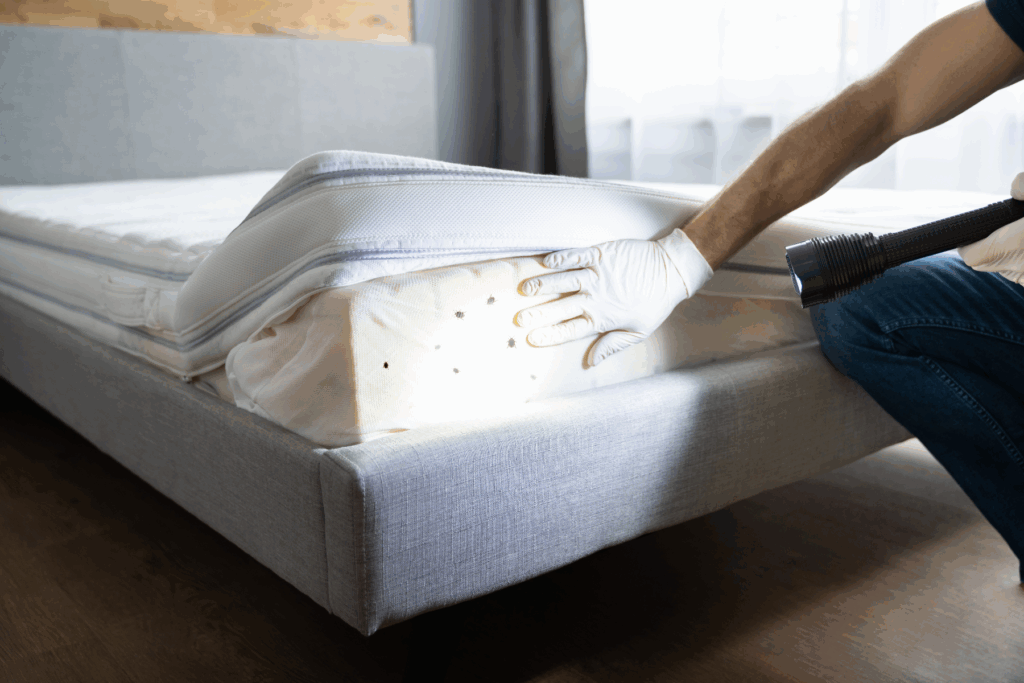
Living in Phoenix might mean experiencing the best summer ever. On the other hand, there’s something apartment renters must be aware of. The presence of a scorpion can be more than even frustrating. Or if you own the space, one unsealed area can be enough to invite unwanted visitors. This creates a problem for both the tenants and landlords and can end up in a dispute. You don’t want the scorpions to make that scene. Worry no more because, in this guide, we will learn the proven scorpion control in complexes. And how to keep your property free from them. Why Apartment Complexes Are Scorpion Hotspots Scorpions love to be in the darkness and places that give them cool. Unfortunately, apartment complexes are an ideal environment for them, too. If you’re wondering how accurate is it across Phoenix, Scottsdale, and Mesa, read why: Shared walls and crawlspaces give scorpions freedom to travel between units Outdoor lights attract bugs (scorpion food), drawing them closer to buildings Unsealed doors, utility closets, and foundation cracks are easy entry points Many complexes are built near natural desert terrain or washes where scorpions live Even newer buildings aren’t immune if it’s in Maricopa County; it’s fair game for bark scorpions. What Tenants Can Do to Control Scorpions for Apartment Complexes You can’t control the entire complex, but there’s plenty you can do inside your own apartment to reduce scorpion activity: Seal windows and door gaps with weatherstripping Keep floors and closets free of clutter, especially cardboard boxes Shake out shoes, towels, and clothes before using them Use door sweeps to block small entryways Report any cracks, holes, or pest sightings to your building’s management ASAP Check for activity with a UV blacklight during warmer months (March–October) It’s all about removing shelter and access points. Scorpions are opportunists, don’t make it easy for them. Shocking Scorpions at Apartment “Scorpions? Hi! Just moved to Goodyear from out of state and I am PARANOID for scorpions. We are in a first-story apartment and I love leaving doors and windows open for fresh air (with a screen), and then we have a little dog door to our patio. Lots of ways for scorpions to get in I guess. Does anyone have any ideas for pet-safe scorpion proofing? Also, are they really that common or am I just being paranoid? LOL thanks!” — New Phoenix-Area Renter via Reddit Forum What Property Managers Should Be Doing If you’re managing a complex, scorpion prevention shouldn’t be a once-a-year thing. It needs to be routine, especially during peak seasons. Here’s how to keep tenants safe and satisfied: Schedule monthly professional pest control with a company that knows desert pests Request property-wide blacklight inspections Conduct annual home sealing services across all units and shared areas Replace exterior lighting with amber bug-reducing bulbs Keep landscaping trimmed and eliminate piles of debris, mulch, or stored items near walls Send out resident education flyers or emails with prevention tips Being proactive shows residents you care and it can reduce costly complaints and turnover. Choosing the Right Scorpion Control Company Scorpions are a Phoenix-specific issue, so you’ll want a pest control partner who knows Arizona pests inside and out. Look for a company that: Offers multi-unit pest control plans Uses child- and pet-safe products Specializes in scorpion control, not just general pests Performs blacklight inspections and sealing services Operates locally in Phoenix, Tempe, Chandler, and Scottsdale Finally, No More Scorpions “When we first moved to Goodyear from out of state, I had no idea how big of a deal scorpions were in Arizona. I’m originally from a cooler climate, so the idea of poisonous bugs sneaking into my apartment at night was terrifying. We live on the ground floor, and I loved leaving the windows open for fresh air until I realized that screens don’t exactly stop scorpions. That’s when I found a local pest control company that specialized in scorpion-proofing for apartment buildings. They didn’t just show up and spray, they took the time to listen, explained where scorpions usually get in, and walked through pet-safe sealing options. They treated the baseboards, sealed the entry points around the patio, and even made recommendations for lighting and keeping the area clean and less inviting to pests.” – Emily R., First-Time Arizona Renter in Goodyear Protect Every Unit. From the Ground Floor to the Top. If you’re seeing scorpions or hearing about them from tenants, it’s time to act fast. These pests don’t wait, and neither should you. Call Spark Pest Control today to schedule a comprehensive apartment-wide inspection. We offer safe, effective scorpion solutions for complexes of every size across Phoenix and the surrounding areas. Don’t let shared walls become a shared problem. Let’s lock scorpions out, unit by unit. Frequently Asked Questions 1. Are scorpions common in Phoenix apartment complexes? Yes. Phoenix and surrounding areas like Scottsdale, Tempe, and Mesa are part of the Sonoran Desert, where bark scorpions are native. Apartments are especially vulnerable due to shared walls, common areas, and nearby desert terrain. 2. Why do scorpions get into apartment buildings? Scorpions get into the apartments because they are seeking a place to stay. They can enter through any cracks in alls, vents, and under doors.s In multi-unit buildings it can be really easy for them to crawl through crawlspaces. 3. What time of year are scorpions most active in Phoenix? Scorpions are most active from March through October, especially during the monsoon season. Warm nights and moisture increase their activity, which is why year-round pest control is important in apartments. 4. Who is responsible for pest control in apartments, tenants or landlords? In most cases, landlords or property managers are responsible for providing pest control. However, tenants should also take steps to prevent infestations and report any sightings immediately. 5. What can I do if I see a scorpion in my apartment? If you spot a scorpion:
Are Scorpion Sprays Effective or Just Hype?
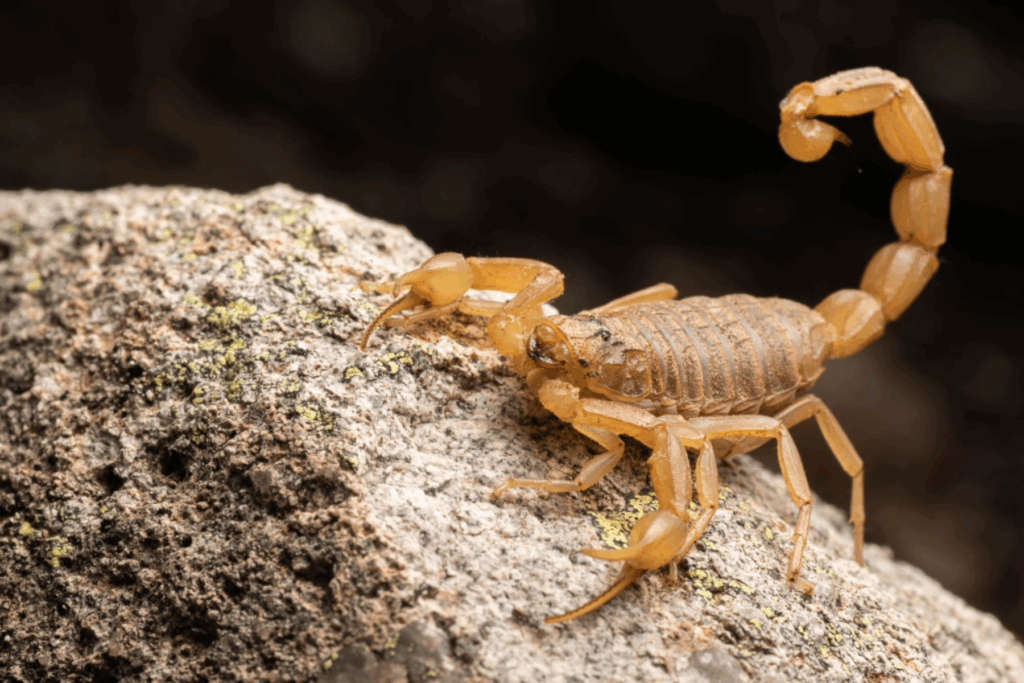
You see it. That dreaded curved tail. It’s late. You’re barefoot. In a rush of panic, you sprint to the garage, grab your trusty can of bug spray, and douse the thing like you’re putting out a fire. But after a few minutes, the scorpion is still twitching or, worse, walking away unfazed. Sound familiar? If you have been living for several years in Phoenix, scorpion sprays are nothing new to you. You even hear people saying it’s a waste of bucks. So, what’s the real deal? Are scorpion sprays effective, or are they just overhyped? In this guide, we will talk about the effectiveness of sprays, can do it yourself and whether you should get a local terminator. How Scorpion Sprays Actually Work (or Don’t) First, not all scorpion sprays are created equal. Most store-bought sprays fall into two categories: Contact Kill Sprays – These require you to spray directly on the scorpion to be effective. Miss even a little? It might survive. Residual Barrier Sprays – These are meant to leave behind a chemical layer that kills over time as the scorpion walks across it. Here’s the problem: Bark scorpions, the most common and venomous type found in Phoenix, are incredibly resilient. Their exoskeleton is like armor, and unless the spray is strong enough or hits them in the right spots, it may not do much at all. So if you’re spraying baseboards and calling it a day, chances are, you’re just delaying the inevitable visit from their glowing cousins next week. Pros and Cons of Using Scorpion Sprays at Home Let’s break it down real quick: The Good Stuff: They’re cheap and easy to grab at Home Depot or Lowe’s. Some offer quick results if sprayed directly on the scorpion. Good for emergency “OMG-kill-it-now” moments. The Not-So-Good Stuff: Most sprays don’t penetrate deep enough to kill hidden scorpions or their eggs. The barrier wears off quickly in Arizona’s intense heat and dust. It gives many homeowners a false sense of control, especially in high-risk areas like Scottsdale, Mesa, or Ahwatukee. What the Pros Use (That You Can’t Buy in Stores) Here’s the deal: Professional pest control companies in Phoenix and Maricopa County use EPA-approved, high-strength formulations that aren’t available to the average homeowner. More importantly, they combine spray treatments with Integrated Pest Management (IPM), which includes: Home sealing (plugging up cracks and vents where scorpions sneak in) Blacklight inspections to find hiding spots Regular perimeter treatments with lasting effects Targeting both the scorpions and their insect prey This multi-layered approach is what really separates a quick fix from actual scorpion control. When to Call a Scorpion Control Expert Still, seeing scorpions after spraying your house top to bottom? That’s your sign. If any of the following sound familiar, it’s time to call in the pros: You’re seeing more than 1 or 2 scorpions per week You’ve found them in living spaces, kids’ rooms, or closets You’re relying on bug spray every other night like it’s Febreze You live near an open desert or in a known hotspot neighborhood like Desert Ridge or Anthem Inspiring Testimony from a Homeowner in Mesa “I can’t even count how much money I wasted on scorpion sprays before I finally gave up and called a professional. At first, I thought I could handle it myself. We’d just moved into a home in East Mesa, and within the first few weeks, we saw three scorpions in the garage and one in the laundry room. Freaked me out, but I figured it wasn’t that bad, I’d just pick up a can of spray and take care of it. Then one night, I walked into the bathroom and there was a scorpion just hanging out near the shower. I sprayed it directly. It didn’t die. It didn’t even slow down. I’m not kidding, it actually crawled away, and I watched it disappear under the vanity. That moment made me realize: these sprays were doing nothing. Looking back, I probably spent close to $200 on different sprays, not counting the hours of spraying, the fumes, and the stress. Eventually, I called Spark Pest Control. Honestly, I wish I had done it from the beginning. They used professional-grade treatments and even helped us seal up areas of the home where scorpions were getting in. I haven’t had to use a can of spray since. So if you’re reading this and still buying scorpion spray thinking it’ll solve your problem. I promise you, I’ve been there. It might help in the moment if you catch one crawling across the floor, but it’s not a solution. Not even close. You’ll waste money and time. Just save yourself the frustration and call someone who knows what they’re doing. — Daniel P., East Mesa Homeowner Get In Touch With Spark Pest Control Here’s the truth: Scorpion sprays aren’t total nonsense, but they’re not a complete solution, either. Think of them like a first-aid kit, not a cure. They can help in the moment, but for long-term control, you’ll need a comprehensive plan. If you want real results, it’s time to go beyond the spray bottle. Tired of wasting money on sprays? Contact us and we’re excited to eliminate them all. Frequently Asked Questions 1. Do scorpion sprays actually kill scorpions? Yes, but only some sprays and only under certain conditions. Most store-bought sprays only work if you hit the scorpion directly with the product. Many scorpions, especially bark scorpions, can survive a weak or indirect application. 2. Are over-the-counter scorpion sprays effective in Phoenix? Over-the-counter sprays offer limited, short-term relief. They may kill individual scorpions on contact, but they don’t prevent infestations, and they often lack the strength to handle tougher desert pests. 3. What’s the difference between contact sprays and residual sprays? Contact sprays kill scorpions instantly, if applied directly. Residual sprays, on the other hand, leave behind a chemical barrier that kills over time when scorpions
Best Time of Year to Schedule Scorpion Treatment in Phoenix

It’s late in the evening, and you’re walking barefoot in the kitchen to grab something when suddenly you step onto something. Oh no, it’s a glowy little scorpion under the blacklight. Hanging on your baseboard like this tiny guy pays your rent. If you’re a resident of Phoenix, this is not new to you. Scorpions are inhabitants of the Sonoran desert. But the good news? You can drastically reduce your chances of seeing them if you treat your home at the right time of year. The trick is to act before they make themselves at home, literally. So, when’s the best time for scorpion treatment in Phoenix? In this guide, we will divide it down into seasons so you can keep track of the best tricks to eliminate scorpions. When Are Scorpions Most Active in Phoenix? Scorpions are most active during the beginning of March and can last longer until the month of October. The warm desert climate is a friend of these tiny creatures. They can survive in the harsh climate of Arizona. The Sonoran Desert is an ideal real estate for bark scorpions during monsoon season. Here’s a seasonal snapshot: Spring (March-May): Scorpions emerge from winter hiding and start breeding Summer (June–August): Peak activity night hunts, stings, and infestations Fall (Sept–Nov): Slower movement, but still lurking Winter (Dec–Feb): Not gone, just hiding inside walls, attics, and garages Why Spring Is the Best Time to Start Treatment If you’re thinking of calling a pest control company, spring is your golden window. This is when scorpions begin waking up and breeding. Taking action in March or April creates a protective barrier before they go full “Game of Thrones” in your backyard. Think of it like this: Prevent now, and you won’t be fighting them later. Treatments in early spring target scorpions before they multiply and before they move indoors. Bonus tip: Pair your treatment with home sealing to stop them from squeezing through cracks or tiny crevices. Summer & Monsoon Season: The Scorpion Invasion Scorpion activity spikes in June, July, and August, especially after a good monsoon rain. Why? Because water drives bugs into your home for shelter, and scorpions follow right behind them like creepy little hitchhikers. During this season, families in Scottsdale, Chandler, Tempe, and Mesa report the highest number of scorpion sightings. Blacklight hunting has become a nightly routine in many neighborhoods. Some folks even say they’ve killed 10–15 scorpions in one week during July. If you missed spring treatments, it’s not too late monthly pest control during summer is critical. Fall & Winter: The Hidden Danger Not because you didn’t see a single scorpion around doesn’t mean they are not around. When fall and winter season comes, scorpions prefer to find warm and cozy indoors. It could be from your attics, wall voids, garages, closets, and anywhere around the house. And guess what? They’ll stay put until it warms up again. This is actually a perfect time to seal up your home, fix cracks, and work on long-term scorpion control. Treatments during these months focus on keeping any remaining pests from nesting inside. How Often Should You Schedule Scorpion Treatments? A good rule of thumb: Monthly treatments from March to October Bi-monthly or quarterly treatments in cooler months Pair that with integrated pest management (IPM), a fancy term for sealing, cleaning, and monitoring and you’ll be way ahead of the game. Look for pest control companies in Phoenix, Scottsdale, or Mesa that offer year-round plans with UV inspections and home sealing services. What to Look for in a Phoenix Scorpion Control Service Not all pest control companies are created equal. You want a team that: Uses blacklight detection to find scorpions hiding in walls or crevices Offers home sealing services to block entry points Has experience with Sonoran Desert pests, especially bark scorpions Provides free consultations or inspections Has strong reviews from other Phoenix-area homeowners Ask about their treatment methods and if they use child- and pet-safe products, especially if you have little ones running around. Relieved Homeowner of North Scottsdale “We moved into our home in North Scottsdale not knowing it was basically a scorpion resort. Within the first week, we found one in our toddler’s room and killed over 15 scorpions inside and outside the house. It was terrifying. We immediately scheduled professional treatment and got the house sealed, and it’s made a huge difference. Now we sleep without blacklights by the bed, and I don’t feel like I’m on constant scorpion patrol. If you’re in Phoenix and dealing with this, don’t wait, just call the pros.” — Jessica L., Mom of Two & First-Time Homeowner, North Scottsdale, AZ Don’t Wait for a Sting. Take Action Now. The truth is it doesn’t matter if your house is the cleanest in the neighborhood. Or it’s the newest house in the city or how pleasing the landscaping is to your yard. Scorpion only wants three things: food, water, and shelter. They’ll search for it wherever it is. Please don’t wait for them to harm you and your family. Let a professional pest control expert cut them down. They can’t be in your house, on your kid’s bedroom floor. Book your scorpion treatment now before Phoenix heats up. You can count on Spark Pest Control to protect your yard and home. Frequently Asked Questions 1. When is the best time to schedule scorpion treatment in Phoenix? The best time to schedule your scorpion treatment is during early spring or around March or April. It is the time when scorpions come out after winter to start their breeding cycle. Starting treatment early creates a protective barrier before they become active. 2. Are scorpions active in winter in Phoenix? Yes, even in winter, they can be active, but it is less due to the fact that scorpions prefer to hide indoors, such as in your house. Keeping your house sealed together with indoor treatments is