
Roof Rats in Tempe: Signs and Solutions

The roof rats are also known as black rats, and sometimes they are referred to as ship rats. They are becoming a headache for many households in Tempe. Opposite to their Norway rat cousins, who like burrowing, they are experts in climbing. That’s how they acquired their name. They like to nest in attics, trees, and wall voids. The warm climate of Tempe has made it ideal for roof rats. The abundance of citrus trees is a good source of food for them. Most of all, the populated suburban homes are like a shelter for them. In this article, we’ll discuss how you can identify roof rats. What signs to look out for? The risks they pose to your property and health. And the best solutions for getting rid of them and preventing future infestations. What Are Roof Rats? Physical Characteristics Roof rats are about 13-18 inches measuring from nose to tail. They have a sleek and slender body. Roof rats are dark brown to black with a lighter underbelly. Their ears are large, and their long tails are longer than their bodies. Behavior and Nesting Habits Roof rats are quite the opposite of Norway rats. They don’t like the underground, they prefer it above. Mostly, they are found in attics, rafters, trees, and dense vines. These creatures are nocturnal, and they move quickly. They can either jump or climb onto roofs, utility lines, or branches. Roof Rats vs. Norway Rats Size: Roof rats are slimmer and lighter. Tail: Roof rats have longer tails. Nesting: Roof rats nest high; Norway rats burrow underground. Color: Roof rats are darker and more uniform in color. Why Tempe Homes Are Vulnerable Warm Climate and Dense Housing Tempe’s mild winters allow roof rats to breed year-round, especially in neighborhoods with close-packed homes and little separation between rooftops. Citrus Trees and Landscaping Roof rats are highly attracted to citrus and other fruit trees. Fallen fruit and dense foliage give them both food and hiding places. Once established in trees, it’s a short jump to nearby roofs. Holes in the attic and roof If your roofs have holes or eaves, they can be an easy path for these tiny climbers. Not only that but also other kinds of pests can enter through the openings. Signs of Roof Rats in Your Home 1. Scratching Noises in the Attic It’s to identify the activity of roof rats. Just by hearing a sprinting or scratching noise, you can tell. Especially if it’s coming from your attic or ceiling, they are possibly nesting above. 2. Droppings Roof rat droppings are spindle-shaped, about ½ inch long with pointed ends. They are usually found near insulation, attic beams, or along baseboards. 3. Gnaw Marks and Chewed Wires They like to constantly chew to stop their incisors from growing too long. That’s why they gnaw on hard surfaces like electrical wiring, tin insulation, or wooden rafters. 4. Grease Smudges Rats leave greasy marks on surfaces where their oily fur rubs against walls, pipes, and beams. 5. Nesting Material Shredded paper, insulation, fabric, or leaves gathered in hidden areas of your attic or garage are strong indicators of nesting activity. Dangers of Roof Rat Infestations Health Risks Roof rats can carry dangerous pathogens and diseases such as: Hantavirus Leptospirosis Salmonella Rat-bite fever Fire Hazards Chewed wires can lead to short circuits or electrical fires, especially when rats infest attics filled with insulation. Structural Damage Rats can destroy your roofing materials, ducts, and insulation. They can also destroy drywall to build nests and find food sources. How to Get Rid of Roof Rats in Tempe Seal All Entry Points Conduct a thorough inspection and close off any access points: Use steel mesh over attic vents and roof openings. Repair cracked roof tiles and soffits. Seal around utility lines and pipes entering your home. Eliminate Food Sources Pick up fallen fruit promptly. Store pet food and birdseed in sealed containers. Use metal garbage cans with tight lids. Avoid leaving dog or cat food outside overnight. Trapping Methods Snap Traps: Effective for quick control. Place along suspected travel routes. Electronic Traps: Humane and clean disposal. Live Traps: For relocation, but less common in residential control. Avoid poison baits unless used by a professional. Poisoned rats can die in inaccessible places, creating odor and secondary pest issues. Call a Professional Pest Control Company Roof rat infestations often require experienced pest management professionals. Local experts can: Conduct full attic and perimeter inspections Set up exclusion barriers Use integrated pest management (IPM) solutions Provide monthly monitoring or treatment plans Preventive Measures for Roof Rats Trim Back Trees and Shrubs: Cut tree limbs at least 3 feet from the roof. Remove thick vines or overgrown hedges touching your home. Cover Vents and Openings: Install galvanized steel mesh over attic vents, gable vents, and chimney openings. Keep the Roofline Clean: Clear leaves, palm fronds, and fruit debris from your roof and gutters to eliminate hiding spots and nesting material. Routine Inspections: Inspect your attic, garage, and roof areas at least once per season for signs of rodents. Pay close attention during fall and winter when rats seek warmth. Tempe roof rats: They’re not house guests you want to keep. Get expert eviction services! Worried about those rats in your attic? We get it. It’s more than just the holes they created in the walls. It’s about the disturbing noise they make. And the fact that your home has a pest infestation. You deserve to feel safe and comfortable. We’re experts at getting rid of roof rats. We’ll work with you to make sure they’re gone for good. We’ll fix the problem and stop them from coming back. Let’s team up to make your home a safe and pest-free place for you and your family. Call us today for a free chat. Let’s get this sorted! Frequently Asked Questions (FAQs) 1. What attracts roof rats to homes in Tempe? Roof rats are drawn
Termite Control in Maricopa County | Inspection, Treatment & Prevention

Termites are more than just a nuisance in Arizona. They’re a silent threat to homeowners throughout Maricopa County. Whether you’re in Mesa, Chandler, Gilbert, or Phoenix, these wood-destroying insects can cause thousands in structural damage before you even know they’re there. In this comprehensive guide, we’ll walk you through everything you need to know about termite control in Maricopa County, including how to identify termites, when to call a pro, what treatments are most effective, and how to prevent reinfestation for the long haul. Common Termite Species in Maricopa County Arizona is home to several termite species, but the most common in Maricopa County include: Desert Subterranean Termites: Thrive in hot, arid climates and live underground. Arid-Land Subterranean Termites: Frequently infest homes in urban environments. Drywood Termites: Nest directly in dry wood and are harder to detect early. Why Termites Thrive in Maricopa The desert climate, irrigation systems, and warm winters allow termite colonies to remain active almost year-round. If you have wood fencing, untreated framing, or poor drainage around your home, you’re giving termites the perfect invitation. How to Spot a Termite Infestation Early – Pest Services Most homeowners don’t know they have termites until the damage is already extensive. Here are signs to look for: Mud tubes near the base of your foundation Hollow-sounding wood Discarded wings near windows or doors Frass (termite droppings) that resemble sawdust Termite Damage vs. Water Damage Both can warp wood and cause paint to bubble. However, termite damage usually leaves behind mud tunnels or intricate hollow galleries inside the wood. A local pest control technician can confirm which issue you’re facing. What to Expect During a Professional Termite Inspection Hiring a licensed inspector is the best way to assess the risk or presence of a termite colony. Here’s what the inspection involves: Full exterior & interior check, including attic, baseboards, and crawlspaces Moisture readings to identify conditions termites love Use of detection tools, such as infrared cameras and wood tap tests Termite Inspections in Mesa & Gilbert: Real Examples Ignoring early signs of termite infestation can lead to costly repairs and extensive damage. Two recent inspections in Mesa and Gilbert illustrate this point. In East Mesa, desert subterranean termites exploited an improperly sealed patio slab, gaining access to the home’s foundation. The resulting damage required significant repairs, highlighting the expense of neglecting preventative measures. Similarly, in Gilbert, the discovery of drywood termite droppings after a window replacement revealed years of undetected infestation. This delayed detection resulted in far greater damage and repair costs. These examples demonstrate that proactive termite inspections are a cost-effective way to protect your home from significant damage and expensive repairs. Schedule your inspection today. Effective Termite Treatment Options for Arizona Homes Once termites are confirmed, immediate treatment is critical. Your options include: Liquid Termiticides (e.g., Termidor): Long-lasting barrier treatments around the home. Bait Systems (Sentricon): Monitors and eliminates entire colonies with slow-acting poison. Wood Treatments: Borate sprays for prevention and spot treatments. Cost and Duration Liquid treatments range from $500–$2,500, depending on property size. Bait systems are usually part of an annual plan. Most treatments are pet-safe once dry, but always verify with your provider. Long-Term Termite Prevention in Maricopa County Even after treatment, termites can return if conditions are right. Here’s how to stop that: Redirect sprinklers away from the foundation Remove wood-to-soil contact, especially fences and planter boxes Install vapor barriers in crawlspaces Schedule annual inspections Chandler, Gilbert, and Queen Creek: Area-Specific Risks Chandler: Subdivisions with mature landscaping and irrigation issues are prime targets. Gilbert: Fast-growing developments often use untreated wood. Queen Creek: High activity near washes and rural zones. Why Choose a Local Termite Control Expert When it comes to protecting your home from termites, one-size-fits-all solutions just don’t cut it,especially in a place like Maricopa County, where climate, soil type, and building styles vary from one neighborhood to the next. While national pest control companies may offer generic services, they often lack the hands-on understanding of our region’s unique termite pressures.By choosing a local expert, y ou’re not just getting a service. You’re getting a team that’s invested in your community, familiar with your neighborhood, and committed to long-term results tailored to your property. Ready to Protect Your Home? Ready to Protect Your HomeYour home is more than just a structur. It’s where your memories are made and your family feels safe. But in termite-prone areas like Maricopa County, that safety can be silently compromised by destructive pests that often go unnoticed until it’s too late. At Spark Pest Control, we’ve helped hundreds of homeowners across the Valley protect what matters most by identifying and eliminating termite threats before they become costly problems. Whether you’ve just spotted a few suspicious signs, need a second opinion, or want to start a proactive prevention plan, our team is here for you. Our local termite experts understand the unique soil and climate conditions in your neighborhood—and we use that knowledge to deliver the most effective, targeted treatment possible. Call us today or schedule your free, no-obligation inspection online. Let Spark Pest Control bring peace of mind back to your home, before termites take it away. Frequently Asked Questions 1. How common are termites in Maricopa County? Termites are very common in Maricopa County due to the warm, dry climate, which provides ideal conditions for subterranean termite colonies to thrive year-round. 2. What are the signs of a termite infestation in Arizona homes? Common signs include mud tubes on walls or foundations, hollow-sounding wood, discarded wings near windows, bubbling paint, and piles of termite droppings (frass). 3. How often should I get a termite inspection in Maricopa County? It’s recommended to have a professional termite inspection at least once a year, especially if your home is older or located in a high-risk area. 4. What termite species are found in Maricopa County? The most common species in the area is the subterranean termite, known for building mud tubes and causing extensive structural damage if
Are Pest Control Sprays Safe for Pets and Babies

As a parent or pet owner, securing the safety of your loved ones is important. Even when dealing with household pests. In Maricopa County, many families rely on professional pest control services to manage issues ranging from ants to scorpions. However, with young children and pets in the home, concerns about the safety of pest control sprays naturally arise. This article explores how modern pest control sprays are designed, what precautions to take, and how to maintain a pest-free yet family-friendly environment. Understanding Modern Pest Control Sprays Modern pest control sprays represent a significant advancement over older methods, incorporating several key improvements in terms of efficacy, safety, and environmental impact. Types of Pest Control Chemicals Pyrethroids: Synthetic compounds derived from chrysanthemum flowers, commonly used due to their effectiveness and relatively low toxicity to mammals. Insect Growth Regulators (IGRs): These disrupt the development of pests. Preventing them from reaching maturity or reproducing, and are generally considered low-risk for humans and pets. Natural or Botanical Sprays: Made from essential oils like peppermint or clove, these are often marketed as safer alternatives, though their efficacy can vary. EPA Regulation and Safety Standards The Environmental Protection Agency (EPA) regulates all professional-grade pest control products, ensuring they meet safety standards. Labels on these products provide critical information on safe application procedures and necessary precautions. Always follow the label instructions to minimize risks. How Pest Sprays Affect Babies and Pets The effects of pest sprays on babies and pets are a serious concern due to their heightened vulnerability compared to adults. Several factors contribute to this increased risk: Why Babies Are More Vulnerable Infants have developing immune systems and behaviours like crawling and putting objects in their mouths. Which increase their exposure risk. Their smaller body weight also means that even minimal exposure can have more significant effects. How Pets Interact With Treated Areas Pets, especially cats and small dogs, may lick or sniff recently treated surfaces, leading to the potential ingestion of harmful substances. Their grooming habits can also transfer residues from their fur to their mouths. Best Practices Before and After Treatment Effective pest control involves more than just applying a spray. It requires careful preparation beforehand and diligent follow-up afterwards. Here’s a breakdown of best practices: Preparing the Home Remove Pet and Child Items: Take out pet bedding, toys, food bowls, and children’s toys from areas to be treated. Cover or Store Food: Check if all food items are sealed and stored away. Inform the Pest Control Professional: Let them know about any pets or children in the home so they can adjust their methods accordingly. After Treatment Care Wait Before Re-entry: Keep pets and children away from treated areas for the time specified on the product label or until the area is completely dry. Ventilate the Area: Open windows and use fans to air out the space. Clean Surfaces: Wipe down surfaces that may come into contact with food or children’s hands. Choosing a Family-Friendly Pest Control Company Choosing a family-friendly pest control company requires careful consideration beyond simply finding the cheapest option. Here’s a breakdown of key factors to prioritize: Ask the Right Questions What Products Are Used? Inquire about the specific chemicals and their safety profiles. Are Treatments Safe for Children and Pets? Make sure the company uses products that are labelled as safe for use around children and pets. What Precautions Are Taken? Ask about the steps taken to minimize exposure risks. Look for Certifications Opt for companies that have eco-certifications or offer green pest control options. Verify that they comply with state and federal guidelines. Meet the Spark Pest Control Here at Spark Pest Control, we don’t just eliminate pests. We prioritize your family’s well-being. We understand the worry that comes with bringing pest control into your home, especially when you have little ones or furry friends running around. That’s why we use only the safest, most effective, EPA-registered products. Think of it like this: we wouldn’t use anything in your home that we wouldn’t use in our own. For example, our ant control uses a natural borax-based solution. Gentle enough for kids’ toys, yet powerful enough to eliminate the infestation. Our cockroach bait system targets the pests directly, minimizing the need for potentially harsh sprays. And our pet-friendly flea treatment keeps your beloved pets safe while effectively tackling those pesky fleas. We’re not just technicians. We’re neighbors, parents, and pet owners too. We’re committed to providing peace of mind, knowing your family is safe and protected. Choose Spark Pest Control. Because your family’s safety is our top priority. Effective Pest Control, Without the Harsh Chemicals. Ready for a Pest-Free Home, Without the Worry? Don’t let pests invade your peace of mind. At Spark Pest Control, we offer effective, family-friendly pest control solutions that you can trust. Our low-toxicity treatments protect your loved ones while eliminating infestations. Schedule your free consultation today and experience the Spark difference! Click here to book or call us at 760-703-8876. Frequently Asked Questions 1. Are pest control sprays safe for newborn babies? While many pest sprays are labelled as safe, newborns have developing systems and are more sensitive to chemicals. It’s best to vacate the home during treatment and wait until it’s completely dry and ventilated before returning with your baby. 2. Can my pets be inside during pest control treatment? It’s safest to keep pets away for a few hours after the treatment. Once treated areas are dry and aired out, it’s generally okay to let them back in. Always follow your pest control provider’s instructions. 3. What ingredients should I avoid around pets and babies? Avoid sprays with strong neurotoxins or organophosphates. Look for EPA-approved, low-toxicity formulas like pyrethroids or natural essential oil-based products. 4. Are “natural” or “green” pest control products always safer? Not always. While they’re usually safer, some essential oils can still irritate pets or young children. Always check ingredients and consult with your provider. 5. What signs should
DIY Pest Control vs. Hiring a Pro in Scottsdale

Living in Scottsdale, Arizona, offers many perks. The sunny weather, beautiful desert landscapes, and vibrant communities. However, the warm climate also attracts a variety of pests, including scorpions, termites, ants, and rodents. When these unwelcome guests invade your home, you’re faced with a hard decision: tackle the problem yourself or enlist professional help. This comprehensive guide delves into the advantages and disadvantages of both DIY pest control and hiring professionals in Scottsdale. We’ll explore the costs, effectiveness, safety considerations, and specific challenges posed by local pests to help you make an informed choice. Understanding Scottsdale’s Common Pests Scottsdale’s arid climate and urban development create an ideal environment for various pests. Common intruders include: Scorpions: Particularly the Arizona Bark Scorpion, known for its venomous sting. Termites: Subterranean termites can cause significant structural damage if left unchecked. Ants: Various species, including fire ants and carpenter ants, can infest homes and yards. Cockroaches: These resilient pests thrive in warm, moist environments. Rodents: Mice and rats seek shelter and food, often invading homes through small openings. Understanding the behavior and risks associated with these pests is crucial when deciding on a control method. DIY Pest Control: Pros and Cons Professional pest control offers a range of advantages but also comes with some drawbacks. Let’s weigh the pros and cons: Pros Cost-Effective: Purchasing over-the-counter pesticides and traps is generally less expensive upfront than hiring a professional service. Immediate Action: You can address minor infestations promptly without waiting for an appointment. Control Over Products: Choosing eco-friendly or specific products allows for personalized pest management. Cons Limited Knowledge: Identifying pests and understanding their habits requires expertise; misidentification can lead to ineffective treatment. Safety Risks: Improper use of pesticides can pose health hazards to humans and pets. Temporary Solutions: DIY methods may not address the root cause, leading to recurring infestations. While DIY approaches can be suitable for minor issues, they often fall short in providing long-term solutions, especially for persistent or dangerous pests like scorpions and termites. Professional Pest Control: Pros and Cons Professional pest control offers numerous advantages, but also presents some potential drawbacks. Pros Expertise and Experience: Professionals are trained to identify pests accurately and implement effective treatment plans. Comprehensive Solutions: They offer integrated pest management strategies that address current infestations and prevent future ones. Safety Assurance: Licensed exterminators use regulated products and apply them safely, minimizing risks to occupants. Long-Term Cost Savings: Effective treatment reduces the likelihood of recurring infestations, potentially saving money over time. Cons Higher Initial Cost: Professional services involve upfront expenses, which may be higher than DIY methods. Scheduling Constraints: Appointments may not be immediate, potentially delaying treatment. Hiring a professional is often the most effective and safest option, particularly for severe or recurring infestations. Cost Comparison: DIY vs. Professional Services The cost of pest control varies significantly depending on whether you choose a DIY approach or hire a professional service. Let’s break down the cost comparison: DIY Pest Control Initial Cost: Low Effectiveness: Variable Safety: Potential Risks Time Investment: High Long-Term Solution: OftenTemporary Professional Pest Control Initial Cost: Higher Effectiveness: High Safety: Regulated and Safe Time Investment: Low Long-Term Solution: Sustainable While DIY methods may seem cost-effective initially, the potential for recurring problems and safety risks can make professional services a more economical choice in the long run. When to Choose DIY Pest Control DIY pest control can be a viable option under specific circumstances. However, it’s crucial to understand its limitations and potential drawbacks before proceeding. Dealing with a minor, isolated infestation. You have experience and knowledge of pest control practices. The pests are not dangerous or pose minimal health risks. In such cases, using store-bought traps or natural remedies can be effective. When to Hire a Professional Consider professional pest control services when: Facing a severe or widespread infestation. Dealing with pests that pose health risks, such as scorpions or rodents. Previous DIY attempts have failed to resolve the issue. You prefer a long-term, preventive approach to pest management. Professionals have the tools and expertise to handle complex situations effectively. Integrated Pest Management (IPM): A Balanced Approach Integrated Pest Management combines multiple strategies to control pests effectively while minimizing risks to humans and the environment. IPM includes: Inspection: Identifying pest types and infestation levels. Prevention: Sealing entry points and removing attractants. Control: Using targeted treatments, including biological, mechanical, and chemical methods. Monitoring: Regularly assessing the effectiveness of control measures. Many professional pest control services in Scottsdale are embracing Integrated Pest Management (IPM), offering a more comprehensive and sustainable approach to pest control compared to traditional methods that rely heavily on pesticides. “We’ve used other pest control companies in Scottsdale before, but Spark Pest Control is different. They didn’t just treat the immediate problem; they helped us understand how to prevent future infestations. We’ve been pest-free for months, and we’re so happy with the long-term solution they provided.” – The Smiths, Scottsdale. We Are Scottsdale’s Trusted Pest Control Experts Between DIY pest control and hiring a professional in Scottsdale depends on the severity of the infestation, the type of pests involved, and your comfort level with handling pest control measures. While DIY methods can be effective for minor issues, professional services offer expertise, safety, and long-term solutions, especially for more serious infestations. For residents facing persistent or dangerous pests, consulting with a licensed pest control professional is often the best course of action to ensure a safe and pest-free home. If you’re dealing with a pest problem in Scottsdale and need expert assistance, don’t hesitate to contact a local professional pest control service. Contact us so we can assess your situation and provide effective, long-lasting solutions tailored to your needs. Frequently Asked Questions 1. Are DIY pest control methods effective in Scottsdale? DIY methods can be effective for minor infestations, but they may not provide long-term solutions for more severe or recurring pest problems common in Scottsdale. 2. What are the risks of DIY pest control? Improper use of
Pest Control for Real Estate Inspections in Maricopa County
When buying or selling a home in Maricopa County, pest control isn’t just a maintenance issue. It’s a legal right. Real estate inspections often reveals flaw about hidden infestations. Lenders may require certified pest reports before approving a mortgage. Whether you’re an agent, buyer, or seller, understanding the pest inspection is necessary. Having a qualified pest control team can save you time, money, and stress. This article breaks down what real estate pest inspections involve, what lenders and Arizona law require, and how you can follow the process for a smoother closing. Why Pest Control Is Important in Real Estate Transactions The Arizona real estate market is growing but something is stopping it, the persistents infestations. Desert subterranean termites, roof rats, and scorpions are common across Maricopa County. If an infestation is discovered during escrow, it could delay a deal. Lenders like FHA and VA loans often require a Wood-Destroying Insect (WDI) Report, commonly referred to as a termite letter. This is to confirm that the property is pest-free or that treatment has been completed. In most real estate transactions: Buyers want peace of mind that the property is safe and structurally sound. Sellers are often expected to handle pest treatments before listing or closing. Agents play a key role in recommending reliable pest professionals. Explore our full Pest Control Services in Maricopa County Understanding WDI Reports and Termite Inspections in Arizona A WDI Report is an official document created by a licensed pest control expert that details any evidence of termites or other wood-destroying insects. These reports are critical for buyers and are required by most lenders. In Arizona, termite inspections are particularly important because: Most homes are built on slab foundation, known prime targets for subterranean termites. State law requires termite treatment disclosures during real estate transactions. The report is valid for 30–90 days, depending on the lender’s requirements. We’ve helped close hundreds of transactions in cities like Mesa, Chandler, and Gilbert by providing certified termite inspections within 24 hours. Learn more from the Arizona Department of Agriculture – Pest Management Division Need a termite letter fast? Call us for same-day inspections. Common Pests That Trigger Real Estate Red Flags Here are the top culprits that frequently show up during inspections in Maricopa County: Desert Subterranean Termites: Found in nearly every part of the county; especially active in older homes in Mesa and Glendale. Roof Rats: Common in Tempe, especially during colder months. Scorpions: A serious concern in Scottsdale and Peoria, especially near natural desert areas. Carpenter Ants and Spiders: Often flagged during inspections due to structural risk or fear factor for buyers. Inspectors are trained to recognize signs of active infestations and past damage. nAd even one small clue can flag the home for further treatment. Rodent Control Services in Maricopa County What Happens During a Real Estate Pest Inspection? A real estate pest inspection includes a full walkthrough of the property by a licensed technician. We check: Attics, basements, garages, crawl spaces Exterior foundation walls, eaves, and patios Inside cabinets, closets, and plumbing access areas The tools we use include: Moisture meters to detect potential termite-attracting conditions Infrared scanners for hidden infestations Bait stations to monitor termite activity The process typically takes about 45–60 minutes. A detailed report is delivered the same day. Selling your home in Phoenix? Schedule your pre-listing pest inspection now. Who Pays for Pest Control in Real Estate Deals? In Maricopa County, it’s common for sellers to cover the cost of termite inspections and treatment before listing. However, buyers may request additional treatments or updated reports as part of negotiations. Here’s how it typically breaks down: Seller pays for initial inspection and treatment Buyer pays for follow-up or additional reports, if needed Agents should advise clients to get a pest report early in the listing process Scorpion Control in Scottsdale National Association of Realtors Pest Disclosure Guide Post-Treatment Documentation: What Lenders Want After treatment, lenders need proof that the infestation has been professionally addressed. We provide: Digital WDI reports and treatment receipts Photos of treated areas Detailed inspection maps and warranty documentation We’re licensed in Arizona and certified to issue inspection reports for VA, FHA, and conventional loans. Need a VA-approved termite clearance letter? We’ve got you covered. Meet Our Licensed Pest Experts Real Estate Agents: How to Make Pest Control a Selling Point Savvy agents use pest control as a value add when marketing listings. A clean inspection report shows buyers that the home has been maintained and gives them confidence in making an offer. Ways to leverage pest control: Include inspection reports in MLS listings Advertise “certified termite-free” in marketing materials Partner with a reliable pest control company for fast turnaround HUD Termite Inspection Requirements Agents: Contact us for priority scheduling and co-branded inspection forms. Local Laws & Disclosure Requirements in Maricopa County Arizona law requires sellers to disclose any known past or present infestations or treatments. Local city ordinances may also impact what needs to be disclosed during a home sale. Key points: Disclose all pest treatments within the past 5 years Provide inspection records if available Understand termite addendums in standard AZ real estate contracts Pest Control Services in Chandler, AZ Avoid disclosure violations—get your home professionally inspected before you list. Final Thoughts: Don’t Let Pests Kill Your Deal In a competitive market like Maricopa County, every detail counts. A professional pest inspection gives buyers confidence. It speeds up closings, and protects sellers from costly surprises. Whether you’re listing your home in Gilbert, buying in Glendale, or closing in Queen Creek, we’ve got local technicians ready to help. Call now or book your real estate pest inspection online to get fast, certified documentation that meets lender requirements and keeps your transaction on track. Frequently Asked Questions What is a WDI inspection?A WDI (Wood-Destroying Insect) inspection looks for termites and other wood-destroying pests before a home is bought or sold. Do I need a termite letter to sell my house in Arizona?Most lenders, including VA and FHA, require
Is Monthly Pest Control Necessary in Arizona?

Arizona’s unique desert climate, characterized by hot summers and mild winters, creates an environment where pests can thrive year-round. From scorpions and termites to cockroaches and rodents, homeowners often find themselves battling unwanted intruders. This raises a common question: Is monthly pest control necessary in Arizona? In this comprehensive guide, we’ll explore the factors that influence pest activity in the region and help you determine the best pest control strategy for your home. Understanding Arizona’s Pest Landscape Year-Round Pest Activity Unlike regions with harsh winters that naturally curb pest populations, Arizona’s mild winters allow pests to remain active throughout the year. This continuous activity means that infestations can occur at any time, making consistent pest control measures essential. Common Pests in Arizona Scorpions: Particularly the Arizona bark scorpion, which is venomous and often found in homes seeking shelter. Termites: Subterranean termites are prevalent and can cause significant structural damage if left unchecked. Cockroaches: German and American cockroaches are common, especially in areas with food and moisture. Rodents: Mice and rats seek warmth and food indoors, posing health risks. Ants: Various species invade homes in search of sustenance. Factors Influencing Pest Control Frequency 1. Geographic Location Homes located near natural desert landscapes, mountains, or greenbelts are more susceptible to pest invasions due to proximity to natural habitats. 2. Home Construction and Age Older homes or those with structural vulnerabilities, like cracks and gaps, provide easy entry points for pests. 3. Previous Infestations A history of pest problems may indicate underlying issues that require more frequent monitoring and treatment. 4. Family and Lifestyle Considerations Homes with young children, elderly residents, or pets may benefit from more frequent pest control to ensure a safe, hygienic environment. Monthly services can minimize exposure to pest-related allergens and diseases. Monthly vs. Quarterly Pest Control: What’s the Difference? Monthly Pest Control Frequency: Every 30 days Pest Reappearance: Low due to frequent monitoring Best For: High-infestation areas Cost: Higher overall but more consistent Response Time: Fast and proactive Quarterly Pest Control Frequency: Every 90 days Pest Reappearance: Higher risk between treatments Best For: Low-risk or newer homes Cost: More budget-friendly upfront Response Time: Reactive and less thorough Monthly pest control offers stronger, uninterrupted protection, especially important during peak pest seasons in Arizona. Benefits of Monthly Pest Control in Arizona 1. Early Detection and Prevention Monthly inspections allow pest professionals to detect early signs of infestation before they become severe. Whether it’s termite tunnels or rodent droppings, early intervention saves time and costly repairs. 2. Barrier Reinforcement Regular treatments maintain a chemical barrier around your home that repels pests. With Arizona’s dry conditions and shifting soil, these barriers can degrade faster, making monthly applications more reliable. 3. Customized Plans for Local Pests Arizona pest control specialists understand regional pests better than generic national services. Monthly visits can adapt treatments based on seasonal pest behavior, such as scorpion activity in summer and rodent movement in winter. 4. Peace of Mind Knowing your home is being consistently protected from health hazards and damage-causing pests reduces stress and protects your family’s well-being. Who Should Consider Monthly Pest Control? Homes near washes, deserts, or undeveloped land Families with children, elderly, or immunocompromised members Residents who’ve dealt with termites, scorpions, or recurring infestations Owners of short-term rental properties need consistent protection Pet owners are worried about pest-borne diseases like ticks or fleas Testimonial from a Local Homeowner “We used to have a real problem with ants and scorpions. It was awful; we were constantly on edge, checking everywhere before bed. It was stressful, and honestly, it made it hard to relax and enjoy our home. We tried all sorts of things ourselves, but nothing really worked long-term. Those creepy crawlies just kept coming back! Then we started using a local pest control company for monthly service, and wow, what a difference. It’s not just that we don’t see ants and scorpions anymor. It’s the peace of mind. We sleep so much better now, knowing they’re on top of things. The guys are really thorough when they come, and they even text us reminders, which is a nice little extra. It’s totally worth the money; the peace of mind alone is priceless. We’d recommend them to anyone.” — Dave and Lori, Scottsdale, AZ Alternatives to Monthly Service: When Quarterly Works Quarterly pest control may suffice for: New homes with solid construction and no pest history Households in urban centers with less pest pressure Residents without pets or children However, even in these situations, pest professionals often recommend transitioning to monthly during peak seasons like late spring and summer. Monthly Pest Control Worth It in Arizona? Absolutely. Especially if you want consistent, proactive protection. Arizona’s warm climate ensures pests are always active, and monthly pest control: Reduces the risk of surprise infestations Keeps dangerous pests like scorpions and termites in check Offers greater peace of mind with predictable service and results Investing in monthly pest control is more than just a maintenance tasK. It’s a preventive safety measure that saves time, health risks, and costly damage in the long run. Ready to protect your Arizona home year-round from the toughest pest threats? Don’t wait until pests invade. Get started with our monthly pest control service, expertly tailored to Arizona’s unique climate and pest challenges. We use family-safe treatments and employ local experts who understand the specific needs of Arizona homes. Best of all, there are no long-term contracts. Just peace of mind and a pest-free home. Call us today at 760-703-8876 or book your free inspection online now to experience the difference! Frequently Asked Questions 1. Why is monthly pest control recommended in Arizona? Arizona’s warm, arid climate allows pests to stay active all year. Monthly pest control helps prevent infestations before they start, especially for pests like scorpions, ants, and termites. 2. What pests are common year-round in Arizona homes? Arizona homeowners frequently deal with bark scorpions, subterranean termites, roof
Maricopa County Pest Control Laws & Safety

Maricopa County, Arizona, with its warm climate and diverse ecosystem, presents unique challenges in pest management. To address these, the county has established specific laws and safety guidelines to regulate pest control activities. Understanding these regulations is crucial for homeowners, tenants, and pest control professionals to ensure safety, compliance, and effective pest management. Understanding the Regulatory Landscape Navigating Maricopa County’s pest control regulations requires understanding the key players and their roles. Two primary agencies oversee pest control within the county: Arizona Department of Agriculture (ADA): The ADA is the primary regulatory body for pest control in Arizona. They are responsible for licensing and certifying pest control businesses and technicians, enforcing regulations, and investigating complaints. Their website ([link to ADA website]) provides detailed information on licensing requirements, regulations, and how to file a complaint. It’s crucial to check the ADA website to verify the license of any pest control company before hiring them. Maricopa County Environmental Services: While the ADA sets the overarching regulations, Maricopa County Environmental Services may have additional guidelines or specific requirements related to pest control within the county. Their website ([link to Maricopa County Environmental Services website]) should be consulted for any local ordinances or supplementary information. Licensing Requirements for Pest Control Professionals In Maricopa County, all pest control businesses and technicians must be licensed by the ADA. This licensing process ensures that professionals meet specific training and competency requirements. They guarantee a certain level of expertise and adherence to safety standards. The licensing process involves background checks, examinations, and ongoing training requirements. Before engaging any pest control services, always verify their license on the ADA website. This simple step protects you from unlicensed operators who may not adhere to safety regulations or use appropriate methods. Choosing a licensed professional ensures you’re working with someone qualified and accountable. Pesticide Use and Safety Regulations Pesticide use is strictly regulated in Maricopa County. Only EPA-registered pesticides can be used. They must be applied according to the label instructions. This is important for both human health and environmental protection. Improper pesticide use can lead to health problems, environmental damage, and legal consequences. Licensed pest control professionals are trained in the safe handling, application, and disposal of pesticides. They understand the risks involved and take necessary precautions to minimize potential harm. Integrated Pest Management (IPM) is a best practice encouraged by regulatory bodies. IPM also focuses on preventative measures and minimizes pesticide use whenever possible. Reporting Pest Control Issues If you experience any problems related to pest control services, such as health issues, property damage, or concerns about pesticide application, it’s crucial to report them promptly. Contact the Arizona Department of Agriculture and Maricopa County Environmental Services to file a complaint. Provide as much detail as possible, including the name of the pest control company, the date of service, and a description of the issue. Prompt reporting allows regulatory bodies to investigate and take appropriate action. Responsibilities of Landlords and Tenants Landlords and tenants both have responsibilities in maintaining a pest-free environment. Understanding these roles is essential for preventing disputes and ensuring compliance with regulations. Landlords’ Responsibilities: Landlords are responsible for providing a habitable dwelling free from pest infestations. This includes conducting thorough pre-tenancy inspections to identify any existing problems and addressing infestations resulting from structural issues or environmental factors. They are obligated to repair structural defects (e.g., leaky pipes, cracks in the foundation) that contribute to pest problems. They should also address environmental factors under their control, such as poor sanitation or excessive moisture. Failing to address these issues can lead to legal repercussions. Tenants’ Responsibilities: While landlords address structural and environmental issues, tenants play a crucial role in preventing infestations through good housekeeping practices. Maintaining cleanliness, proper food storage, and promptly reporting any pest activity are essential. This includes regularly cleaning, properly storing food in sealed containers, promptly disposing of trash, and addressing any moisture issues. Open communication with the landlord is crucial for effective pest control. Common Pest Problems in Maricopa County Maricopa County has a diverse range of pests, including scorpions, ants, rodents, and various insects. Understanding common pests and their behaviors helps in prevention and early detection. Scorpions, for example, thrive in desert environments and often seek shelter in homes. Ants are attracted to food sources and moisture. Rodents can cause significant damage and pose health risks. Early detection is crucial in preventing infestations from becoming widespread and difficult to manage. Safe and Effective Pest Control Practices Effective pest control involves a combination of strategies, prioritizing safety and environmental responsibility. Integrated Pest Management (IPM): IPM is a holistic approach that emphasizes prevention and minimizes pesticide use. It involves identifying the pest, understanding its behavior, and implementing targeted control methods. This approach is environmentally friendly and reduces the risk of pesticide exposure. Safe Pesticide Use and Storage: Always follow pesticide label instructions carefully. Store pesticides securely, out of reach of children and pets. Dispose of used pesticides and containers properly, following local regulations. [Link to EPA guidelines on pesticide safety] Preventive Measures: Many pest problems can be prevented through simple measures like sealing cracks and crevices, proper food storage, regular cleaning, and maintaining a dry environment. Regular inspections can also help detect infestations early. When to Call a Professional: While preventative measures are crucial, professional pest control services are sometimes necessary. This is particularly true for significant infestations or when dealing with dangerous pests like scorpions. Licensed professionals have the expertise and equipment to handle complex infestations safely and effectively. Eco-Friendly & Compliant Pest Solutions for Maricopa County Worried about staying compliant with Maricopa County’s pest control regulations? Let us handle it. As licensed professionals, we ensure all our services adhere to local laws, providing you with peace of mind and a pest-free home. Contact us today for a free consultation and let us take care of your pest control needs, so you can focus on what matters most. Frequently Asked Questions 1. Who regulates
Biohazard Pest Cleanup After Infestations

Getting rid of pests like rats, bats, or cockroaches is only the beginning. What they leave behind can be just dangerous. Droppings, urine, nesting debris, dead bodies, and contaminated insulation. These remnants pose biohazard risks that impact health, safety, and indoor air quality. In Maricopa County, where pest activity is year-round due to the desert climate, homeowners often overlook this critical next step: professional biohazard pest cleanup. In this blog, we will discuss the biohazardous infestations, why professional biohazard cleanup matters, and the post-cleanup prevention tips. What Makes Pest Infestations Biohazardous? The word “biohazard” refers to biological substances that pose a threat to human health. After a pest infestation, these include: Feces and urine (from rodents, pigeons, and bats) Dead animals or insects decomposing in walls or vents Bacteria, viruses, and mold growing in contaminated insulation Parasites and insects such as fleas, mites, and cockroach allergens Common Pests That Leave Behind Biohazards in Arizona: Rodents: Rodents, such as rats and mice, can contaminate their environments with droppings, urine, and nesting materials, posing significant health risks. These materials can harbor various pathogens, leading to several infectious diseases. Bats: Bat guano, or bat feces, presents a significant biohazard risk due to its potential to harbor various pathogens and irritants. The ammonia-rich odor is a clear indicator of the presence of guano and signifies potential health hazards. The primary concern associated with bat guano is the risk of contracting histoplasmosis, a fungal infection. Cockroaches: Cockroach infestations pose significant health risks beyond the simple nuisance of their presence. Their feces, shed body parts, egg casings, and decaying bodies contain a potent mix of allergens and bacteria, leading to several health problems. Pigeons: Pigeon infestations pose significant health risks, primarily due to their droppings and feathers, which can harbor various pathogens and parasites. Raccoons: Raccoons, while often perceived as cute, can pose significant health risks due to their scat (feces), parasites, and fleas. These risks stem from the pathogens and parasites they carry and spread. Why Professional Biohazard Cleanup Matters Cleaning up after a pest infestation isn’t as simple as vacuuming or spraying disinfectant. The pathogens involved are microscopic and can become airborne, especially when sweeping or disturbing contaminated materials. Professional Cleanup Is Essential Because It: Prevents exposure to dangerous airborne diseases Thoroughly removes contamination from insulation, vents, and crawl spaces Neutralizes odor from urine or decomposing pests Protects your home’s resale value by restoring indoor air quality Prevents re-infestation by removing attractive scents and nesting debris What Happens During Biohazard Pest Cleanup 1. Inspection and Hazard Assessment Identify contaminated zones (attics, basements, crawl spaces) Use UV light or moisture meters to detect hidden waste Take photos for insurance documentation if applicable 2. Containment and Personal Protection Setup of sealed containment areas Technicians wear full PPE, gloves, respirators, and safety suits 3. Waste Removal Safe collection of feces, urine-soaked materials, nesting, and carcasses Double-bagging and disposal per Maricopa County sanitation laws 4. Disinfection Application of hospital-grade, pet-safe disinfectants Use of foggers or sprayers to reach wall voids and tight areas 5. Odor Control Enzymatic odor neutralizers Optional HEPA air scrubbers or ozone treatments 6. Structural Repairs Removal and replacement of soiled insulation Sealing holes and entry points to prevent future pests Optional upgrades: rodent barriers, pest-proof insulation, vent guards Real Case Study: Rodent Cleanup in Tempe, AZ “Our family unknowingly lived with a rat infestation in the attic for several months. We had no idea the extent of the problem until after the pest control company had exterminated the rats. That’s when the truly awful smell hit us , a strong, pungent odor that permeated the entire house. It was sickening, and even more concerning, our daughter started coughing incessantly. It was a constant, hacking cough that worried us terribly. We knew something was seriously wrong, beyond just the presence of rats. We immediately contacted a Spark Pest Control, and their assessment revealed the full extent of the contamination. The rats had been nesting in the attic insulation for a considerable period, leaving behind a significant amount of droppings, urine, and nesting materials. The insulation itself had become saturated with these contaminants, creating a breeding ground for bacteria, viruses, and allergens. The lingering odor was a direct result of this decomposition process, and the airborne particles from the contaminated insulation were almost certainly the cause of our baby’s cough. It was a truly alarming situation.” — Jenna T., Tempe AZ Why DIY Cleanup Isn’t Safe Many homeowners attempt to clean up pest waste themselves using bleach, gloves, or shop vacuums. Unfortunately, this can make things worse by aerosolizing dangerous particles. Dangers of DIY Cleanup: Exposure to Hantavirus, which has no known cure Spreading mold spores by disturbing guano or urine Improper disposal can violate local health codes Damage to HVAC systems when droppings are vacuumed into vents Tools Used in Professional Biohazard Pest Cleanup Tool Function HEPA Vacuums Trap particles without releasing allergens UV Lights Detect dried urine or invisible residue Ozone Generators Break down odor-causing molecules Enzymatic Cleaners Digest organic waste and neutralize smells Fogging Machines Disinfect large or enclosed areas Air Scrubbers Improve air quality during and after cleanup Post-Cleanup Prevention Tips Once your home has undergone professional biohazard cleanup after a pest infestation, maintaining that clean and healthy environment is important. Simply cleaning up the immediate mess isn’t enough. Preventive measures are needed to prevent future infestations and the associated health risks. To keep your home pest-free and safe, we recommend the following: Rodent-proof insulation for attics Vent screens and chimney caps Sealing crawlspace vents and access points Monthly pest inspections during peak seasons (spring/fall) Installing monitoring traps for early warning signs Clean Beyond the Infestation Don’t stop at extermination, go all the way to full home recovery. Biohazard pest cleanup is the final, essential step in protecting your home, your health, and your peace of mind. Especially in hot, pest-prone areas like Phoenix, Scottsdale, Mesa, and Chandler. Thorough cleanup can
Fall Pest Prep for Maricopa County Homes
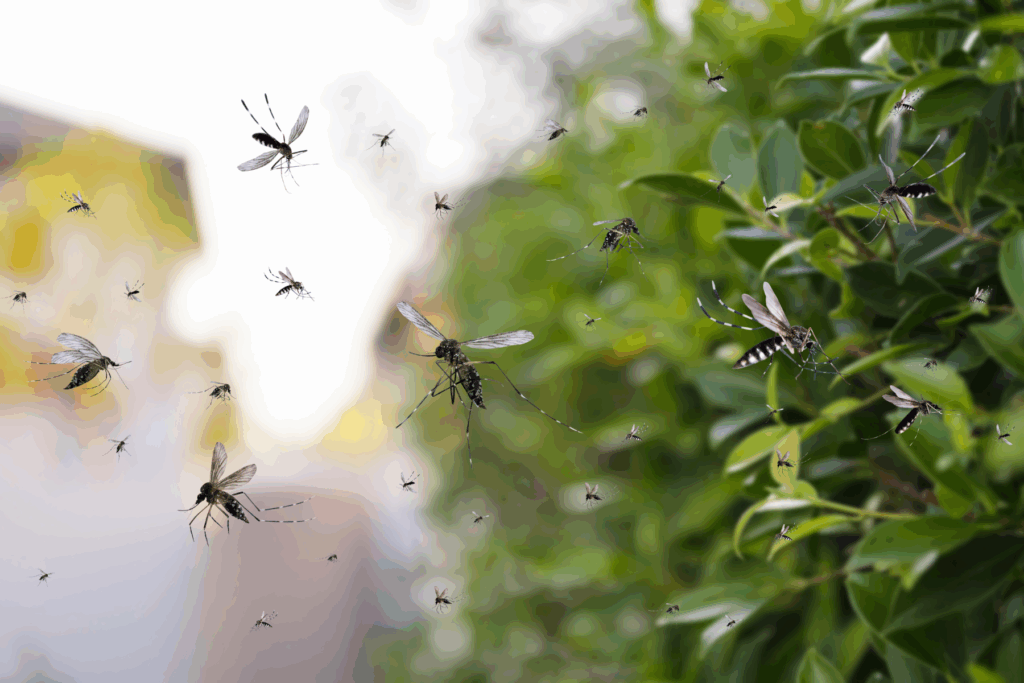
As the scorching summer heat of Maricopa County gives way to the milder temperatures of fall, homeowners might find uninvited guests seeking refuge in their homes. Pests such as rodents, cockroaches, and spiders become more active during this season, searching for warmth and food. Understanding the behaviors of these pests and implementing preventive measures is crucial to maintaining a comfortable and pest-free home environment. In this article, we will explain the best prevention tips for pests, legal considerations, and professional pest control help. Understanding Fall Pests in Maricopa County Understanding fall pests in Maricopa County requires recognizing the specific species that become more active during this season and the factors that contribute to their increased presence around homes. The shift in weather patterns, changes in vegetation, and the search for warmer shelter all play a role. Common Fall Pests In Maricopa County, several pests become particularly problematic during the fall: Rodents: Mice and rats seek shelter indoors as temperatures drop. Cockroaches: These resilient insects look for warm, moist environments. Spiders: Certain species become more noticeable as they move indoors. Stink Bugs: These pests enter homes to overwinter, releasing unpleasant odors when disturbed. Why Fall Increases Pest Activity The transition from summer to fall brings about environmental changes that encourage pests to move indoors: Temperature Drops: Cooler nights drive pests to seek warmth inside homes. Food Scarcity: As outdoor food sources diminish, pests look indoors for sustenance. Shelter Seeking: Pests search for safe havens to overwinter and reproduce. Top 10 Fall Pest Prevention Tips Fall in Maricopa County brings cooler temperatures and a shift in pest behavior. This can increase the likelihood of infestations. Proactive prevention is key to enjoying a pest-free autumn. Here are ten essential tips to safeguard your home: 1. Seal Entry Points Inspect your home’s exterior for cracks, gaps, and holes. Use caulk or steel wool to seal openings, especially around utility pipes and vents. 2. Install Door Sweeps and Repair Screens Make sure all doors have sweeps to prevent pests from entering underneath. Repair or replace damaged window and door screens to keep insects out. 3. Maintain Cleanliness Regularly clean kitchen counters, floors, and dining areas to eliminate food crumbs and spills that attract pests. Store food in airtight containers. 4. Manage Outdoor Lighting Use yellow or sodium vapour lights for outdoor lighting, as they are less attractive to insects compared to standard bulbs. ( 5. Trim Vegetation Keep shrubs, trees, and other vegetation trimmed and away from your home’s exterior. Overhanging branches and dense foliage can provide pathways and shelter for pests. 6. Eliminate Standing Water Regularly check for and remove standing water in birdbaths, plant saucers, and clogged gutters. Standing water serves as a breeding ground for mosquitoes. 7. Store Firewood Properly Keep firewood at least 20 feet away from your home and elevated off the ground. Firewood piles can harbor rodents and insects. 8. Regularly Inspect Attics and Basements These areas are common entry points and nesting sites for pests. Look for signs of infestation such as droppings, gnaw marks, or nests. 9. Use Natural Repellents Essential oils like peppermint and clove can deter certain pests. Spray diluted solutions around entry points and common pest areas. 10. Schedule Regular Pest Inspections Engage professional pest control services for routine inspections and treatments, ensuring early detection and management of potential infestations. Legal Considerations and Resources Pest control in Maricopa County involves understanding the legal framework and knowing where to find reliable information and assistance. Arizona law defines distinct responsibilities for landlords and tenants regarding pest control. Understanding Local Regulations Maricopa County’s Environmental Health Code mandates that property owners prevent and eliminate pest infestations to protect public health. When to Seek Professional Help If you notice signs of a significant infestation or if preventive measures aren’t effective, it’s advisable to consult licensed pest control professionals. They have the expertise and tools to address complex pest issues safely and effectively. What Spark Pest Control Does At Spark Pest Control, we understand that pest problems can be stressful. That’s why we’re committed to providing you with a worry-free experience from start to finish. We begin with a thorough inspection to identify the source of your pest problem and then develop a customized treatment plan that’s safe for your family, pets, and the environment. Our friendly and knowledgeable team is always available to answer your questions and provide ongoing support. We’re dedicated to exceeding your expectations and ensuring your complete satisfaction. Expert Fall Pest Protection: Protect Your Home This Fall! Fall in Maricopa County brings about changes that can increase pest activity in and around homes. By understanding common fall pests and implementing proactive measures, homeowners can safeguard their living spaces against unwanted intruders. Regular maintenance, cleanliness, and professional inspections are key components of effective pest prevention. Take action now to protect your home from fall pests. Contact a licensed pest control service in Maricopa County to schedule an inspection and keep your home safe and comfortable throughout the season. Frequently Asked Questions 1. Why is fall an important time for pest control in Maricopa County? Fall is when many pests, like rodents and insects, seek warmth indoors as temperatures drop. Prepping your home in advance helps prevent infestations during this seasonal transition. 2. What pests are most common in Maricopa County during fall? The most common fall pests include rodents (like mice and rats), cockroaches, spiders, stink bugs, and occasional scorpions. They’re often searching for food and shelter before winter. 3. How can I tell if pests are already inside my home? Look for signs like droppings, chewed materials, strange noises in walls or ceilings, and spider webs. A musty odor or damaged food packaging can also be red flags. 4. Do I really need a professional pest inspection if I don’t see pests? Yes, even if pests aren’t visible, they might be hiding in places like attics or behind walls. A professional inspection can catch early signs and prevent
Spring Pest Prevention Checklist for Homeowners
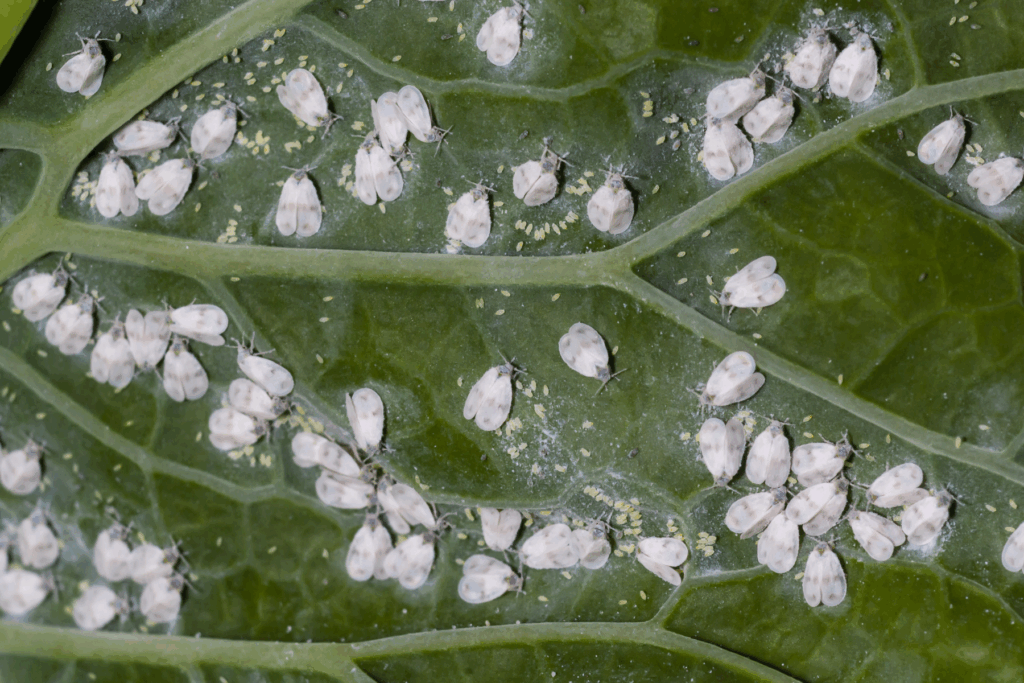
As spring ushers in warmer temperatures and blooming landscapes, it also brings a surge in pest activity. Homeowners must be proactive in implementing pest prevention measures to protect their homes from unwanted intruders. In this comprehensive blog, we will share practical steps to keep your home pest-free throughout the season and how to get a professsional pest control. Understanding Spring Pests Spring in Maricopa County brings warmer temperatures and increased moisture. Creating ideal conditions for a variety of pests to become active. Understanding the common spring pests and their behaviors is crucial for effective prevention and control. Common Spring Pests Springtime in Arizona sees an increase in various pests, including: Ants: Seeking food and water, they often invade kitchens and pantries. Cockroaches: Attracted to moisture and food residues, they can spread diseases. Termites: Spring is their swarming season, posing risks to wooden structures. Mosquitoes: Breeding in standing water, they can transmit diseases. Spiders: Drawn indoors in search of prey and shelter. Why Spring Increases Pest Activity The transition to spring creates favorable conditions for pests: Warmer Temperatures: Accelerate pest breeding cycles. Increased Moisture: From spring rains, providing breeding grounds. Abundant Food Sources: Due to blooming plants and increased human activity. 12-Step Spring Pest Prevention Checklist A proactive approach to pest control in the spring can significantly reduce the likelihood of infestations. This 12-step checklist provides a comprehensive guide to protecting your home: 1. Seal Entry Points Inspect your home’s exterior for cracks, gaps, and holes. Use caulk or weather stripping to seal openings, especially around doors, windows, and utility penetrations. 2. Maintain Cleanliness Regularly clean kitchen counters, floors, and dining areas to eliminate food crumbs and spills. Store food in airtight containers and dispose of garbage promptly. 3. Eliminate Standing Water Remove standing water from birdbaths, plant saucers, and clogged gutters. Ensure proper drainage to prevent mosquito breeding. 4. Trim Vegetation Keep shrubs, trees, and other vegetation trimmed and away from your home’s exterior. Overhanging branches and dense foliage can provide pathways and shelter for pests. 5. Store Firewood Properly Keep firewood at least 20 feet away from your home and elevated off the ground. Firewood piles can harbor rodents and insects. 6. Repair Screens and Install Door Sweeps Ensure all doors have sweeps to prevent pests from entering underneath. Repair or replace damaged window and door screens to keep insects out. 7. Manage Outdoor Lighting Use yellow or sodium vapor lights for outdoor lighting, as they are less attractive to insects compared to standard bulbs. 8. Declutter Indoors Go through and organize closets, storage bins, and garage shelves. Decluttering is essential to a pest-free space. Donate and get rid of things you don’t use. 9. Inspect and Clean Gutters and Roofline Clean gutters and remove leaves, twigs, or any debris. Make sure downspouts are draining away from your home’s foundation. Inspect your roof for damage or gaps where pests might sneak in. 10. Use Natural Repellents Essential oils like peppermint and clove can deter certain pests. Spray diluted solutions around entry points and common pest areas. 11. Schedule Regular Pest Inspections Engage professional pest control services for routine inspections and treatments, ensuring early detection and management of potential infestations. 12. Educate Household Members Make sure everyone in the household understands the importance of pest prevention measures and adheres to best practices. Legal Considerations and Resources Understanding the legal landscape surrounding pest control in Maricopa County, Arizona, is important for both residents and pest control professionals. This involves knowing your rights and responsibilities, and understanding where to find reliable information and assistance when needed. Understanding Local Regulations Arizona’s Environmental Health Code mandates that property owners prevent and eliminate pest infestations to protect public health. When to Seek Professional Help If you notice signs of a significant infestation or if preventive measures aren’t effective, it’s advisable to consult licensed pest control professionals. They have the expertise and tools to address complex pest issues safely and effectively. What Others Say From start to finish, my experience with Spark Pest Control was exceptional. The team was professional, courteous, and answered all my questions patiently. They explained their preventative measures clearly and made sure I understood everything. Their service was top-notch, and I was incredibly impressed with their commitment to customer satisfaction. I wholeheartedly recommend Spark Pest Control. — Michael B, homeowner, Gilbert, AZ Secure a Pest-Free Home This Spring Spring in Arizona brings about changes that can increase pest activity in and around homes. By understanding common spring pests and implementing proactive measures, homeowners can safeguard their living spaces against unwanted intruders. Regular maintenance, cleanliness, and professional inspections are key components of effective pest prevention. Take action now to protect your home from spring pests. Contact a licensed pest control service in Arizona to schedule an inspection and keep your home safe and comfortable throughout the season. Frequently Asked Questions 1. Why is pest control especially important in the spring? Spring brings warmer temperatures and increased moisture, which create the perfect conditions for pests to breed and search for food and shelter. Taking action early in the season can prevent infestations before they start. 2. What are the most common spring pests homeowners should watch out for? Common spring pests include ants, termites, cockroaches, spiders, and mosquitoes. These pests become more active in the spring and often find their way into homes in search of food and water. 3. How can I prevent ants from entering my home this spring? Keep your kitchen clean, store food in sealed containers, and wipe up spills promptly. Also, seal cracks around windows, doors, and the foundation to block entry points. 4. What can I do about standing water that attracts mosquitoes? Empty birdbaths, flower pot trays, and gutters regularly. Make sure your yard drains properly to avoid stagnant water where mosquitoes can breed. 5. Is it necessary to trim plants and trees near my house? Yes, trimming back vegetation reduces hiding spots and entry pathways for pests like spiders and