
Argentine Ants vs. Fire Ants: Control Differences
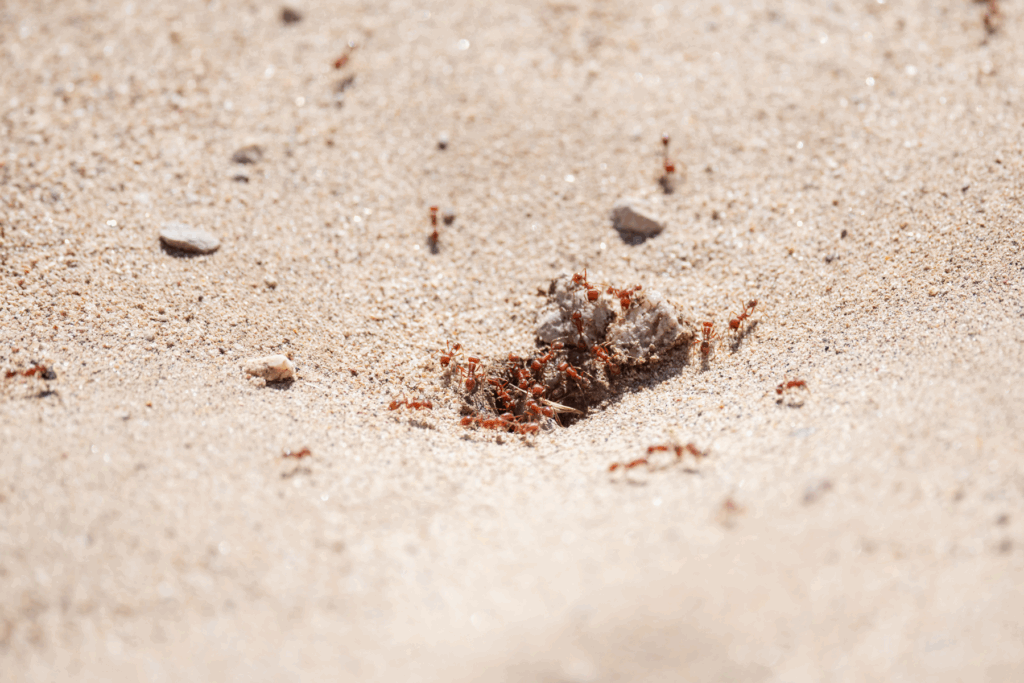
The commonly found ants in Maricopa County are the Argentine ants and fire ants. Both species are major offenders. They are intrusive and persistent insects. They totally differ in behavior and control methods. One thing is for sure: do not be confused by the two of them. Yes, they’re both ants. But they have differences. Understanding it can help homeowners and property managers deal with these ant infestations. In this guide, we will break down the key differences between Argentine ants and fire ants. As well as the prevention and professional treatment strategies. Argentine Ants vs. Fire Ants: Overview Appearance and Size Differences Argentine Ants: Small (1/16 to 1/8 inch), light to dark brown, and monomorphic (all workers look the same). Fire Ants: Slightly larger (1/8 to 1/4 inch), reddish-brown with a darker abdomen, polymorphic (workers vary in size). Behavior and Colony Structure Argentine Ants Form massive supercolonies with multiple queens. Highly cooperative between nests, which makes them hard to eliminate. Fire Ants: Aggressive defenders of their territory. Their colonies are usually centralized around one mound with multiple tunnels and a few queens. Habitat and Nesting Locations Argentine Ants: Nest near moisture sources, under mulch, in wall voids, and under kitchen sinks. Fire Ants: Prefer open, sunny areas such as lawns, driveways, and building foundations. Known for building visible soil mounds. Threat Level and Risks Are Argentine Ants Dangerous? Argentine ants are not harmful in terms of bites or stings, but are serious nuisances. They contaminate food, create long trails indoors, and are hard to eliminate due to their colony structure. Are Fire Ants Dangerous? Yes. Fire ants can sting repeatedly, injecting venom that causes painful welts. Reactions range from irritation to severe allergic responses, especially in children, pets, and sensitive individuals. Medical Risks: Allergies and Bites Argentine Ants: No health risk other than possible food contamination. Fire Ants: Pose medical risks. Their stings may cause pustules, itching, and anaphylaxis in rare cases. Signs of an Infestation Indoor Signs (Argentine Ants) Long trails of ants along walls and baseboards Activity near sinks, drains, and pantry areas The presence of ants in bathrooms and kitchens Outdoor Signs (Fire Ants) Raised mounds of dirt in lawns or garden beds Aggressive ant swarms when disturbed Red or black ants quickly emerge from the soil when stepped on Nesting Patterns and Trails Argentine Ants: Spread out through wall voids, irrigation systems, and inside buildings. Fire Ants: Centralized mounds with aggressive behavior if disturbed. Control Strategies for Argentine Ants Effective Baiting Techniques Use slow-acting gel or liquid baits with boric acid or imidacloprid. Place bait stations along trails and near entry points. Avoid using sprays that kill on contact. They can cause the colony to split and relocate. Indoor Prevention Tips Clean up spills and crumbs immediately. Store food in sealed containers. Fix leaky faucets or pipe condensation. Environmental Modifications Remove mulch piles near the foundation. Trim bushes and trees touching the home. Reduce excess moisture around the property. Control Strategies for Fire Ants Fire Ant Mound Treatments Apply granular baits containing hydramethylnon or spinosad around the mound. Use mound drenches with insecticidal soap or bifenthrin. Avoid disturbing the mound before treatment. Safety Considerations When Treating Always wear gloves when applying fire ant treatments. Keep children and pets away from treated areas until dry. Consider using professional-grade, pet-safe solutions. Professional Fire Ant Management Licensed pest professionals can locate satellite mounds. Long-term monitoring and follow-up applications may be needed. Treatments often include broadcast baiting over the entire property. Prevention Tips for Both Species Argentine Ants To stop Argentine ants from coming into your home, keep all food in tightly sealed containers. This helps because it removes smells that attract them. Clean up any spills or crumbs quickly in the kitchen and dining areas. It’s also important to close any cracks or gaps around doors and windows to stop ants from getting in. Keep your plants trimmed back so they don’t touch your house, as this can help ants climb inside. By doing these simple things, you can help keep Argentine ants away from your home. Fire Ants To keep fire ants out of your yard, don’t water your lawn too much. Fire ants like damp places, so it’s better to water less. Check your yard often for any ant mounds and treat them right away to stop more ants from coming. Keep your yard clean by removing piles of wood, leaves, or trash where ants can build nests. You can also use barriers or sprays around your home to keep fire ants away. By following these tips, you can help make your yard less inviting for fire ants and enjoy your outdoor space more. When to Call a Pest Control Professional Multiple Mounds or Trails Seeing multiple ant mounds or indoor trails that persist despite DIY efforts is a red flag. Bites and Health Risks If you, a child, or a pet has been stung by fire ants, consider immediate medical care and follow-up with professional pest control. Recurring Infestations Both Argentine and fire ants can come back if not completely eradicated. Professionals use integrated pest management (IPM) techniques for long-lasting results. What We Do At Spark Pest Control, we are dedicated to protecting your home and family from unwanted pests. Our expert team combines years of experience with the latest techniques to deliver effective and safe pest control solutions. We understand that every home is unique, which is why we offer personalized services tailored to meet your specific needs. One of our proudest moments was when we helped a family in Maricopa County who had been struggling with a severe termite infestation. After a thorough inspection and treatment plan, we not only eliminated the termites but also provided ongoing monitoring to prevent future issues. The family was happy to live in their home, free from pests, and they can now enjoy their space without worry. Stop the ants before they take over. Don’t let
Seasonal Ant Problems: What to Expect in Spring

As the desert heat starts to climb and flowers bloom across Maricopa County, ant colonies become increasingly active. Spring marks the beginning of a busy season for homeowners. You may notice trails of ants in their kitchens, bathrooms, or around outdoor patios. The combination of warmer weather, spring rains, and new food sources drives ants to forage. To reproduce and sometimes invade homes in search of sustenance and shelter. This comprehensive guide explores why ant activity surges in spring. How to identify common species. What you can do to prevent infestations, and when to call in professional help. Why Ant Activity Increases in Spring Warming Temperatures Trigger Foraging Spring temperatures across Arizona range from the mid-60s to high 90s. This warmth stimulates ant metabolism and signals their colonies to begin foraging. Ant scouts venture further to find food, creating trails that lead them indoors. Spring Rains Disrupt Outdoor Nests Rainfall during early spring months can flood ant nests, especially those near the surface. This forces colonies to relocate, sometimes migrating toward drier, protected spaces inside homes. Ants Seek Moisture and Food Indoors The dry desert climate means moisture is a valuable resource. Kitchens, bathrooms, and laundry rooms often provide both water and food, making them prime targets for spring ant invasions. Common Spring Ants in Maricopa County Odorous House Ants These small, brownish-black ants give off a musty odor when crushed. They are particularly active in spring and are drawn to sweet foods and moisture sources like sinks and leaky pipes. Pavement Ants Typically nesting under driveways, sidewalks, and patios, pavement ants can infiltrate homes through cracks in the foundation. They prefer greasy and sweet foods and can be found trailing along baseboards. Argentine Ants Known for forming super-colonies, Argentine ants are highly aggressive and difficult to eliminate. They often appear in kitchens and bathrooms in large numbers, especially during damp spring months. Fire Ants Though less common in urban parts of Maricopa County, fire ants are dangerous due to their painful stings. They may build mounds in open lawns or dry soil near foundations. Harvester Ants More common in outdoor areas, harvester ants collect seeds and are known for creating visible, flat mounds in yards. They typically don’t invade homes but can pose a threat in outdoor living spaces. Where You’ll Find Ants in the Spring Kitchens and Pantries: Ants often follow food crumbs, sticky spills, or sugary residues. Scout ants leave pheromone trails leading others directly to these sources. Bathrooms and Sinks: Moisture-rich areas like sinks, tubs, and behind toilets attract ants looking for water, especially odorous house ants. Baseboards and Wall Cracks: Small cracks and entry points along walls, baseboards, or window seals make it easy for ants to sneak into homes. Patios, Foundations, and Driveways: Outdoor nesting ants like pavement or harvester ants may begin their colonies near home foundations, eventually making their way inside. How to Prevent Spring Ant Infestations Check the openings Use caulk or weather-stripping to seal: Window and door gaps Foundation cracks Utility line openings Protect food sources Wipe down kitchen counters daily. Sweep floors to remove crumbs. Store pantry items in airtight containers. Rinse recycling and keep bins clean. Reduce Moisture Repair leaky pipes and faucets. Dry sinks and bathtubs after use Run dehumidifiers in damp areas. Keep Landscaping Away from Home Trim back bushes and trees that touch exterior walls. Avoid mulch or bark piles against the foundation. Apply Natural or Chemical Barriers Spray citrus oil, vinegar, or peppermint oil as deterrents. Use perimeter pesticide sprays labeled for ant control. Safe & Effective Ant Control Solutions DIY Traps and Sprays Ant baits lure worker ants to take poison back to the colony Vinegar and water solutions disrupt scent trails Dish soap and water can kill ants on contact Professional Ant Treatments If DIY methods fail or the infestation grows, a pest control expert can: Identify the species and nesting sites Apply targeted treatments (gel baits, dusts, perimeter sprays) Offer long-term ant-prevention services When to Call a Professional Persistent Infestations: Trails reappear despite cleaning Large Numbers: Colonies contain thousands of ants Outdoor Mounds or Nesting: Visible nests in the yard or near the foundation Unidentified Entry Points: Ants are entering from unknown sources Local pest control companies in Maricopa County offer tailored solutions that account for the region’s climate and unique pest pressures. Many use eco-friendly methods safe for pets and families. “Springtime in Glendale is beautiful, but I used to dread the ants that came with it! Last year, they invaded our picnic, and it was such a hassle. This year, I decided to be proactive. I read up on seasonal ant problems and followed some great tips. I’m happy to say we had a wonderful picnic without any ants crashing the party! It felt amazing to enjoy our time outside without worrying. I highly recommend taking steps early to keep those pesky ants away!” — Emily Johnson, Tempe, AZ Don’t let spring ants invade your home. Don’t let spring ants invade your home this season! Schedule a free inspection with Maricopa County’s top pest control experts today. Our friendly team specializes in fast, family-safe ant treatments. They are designed to eliminate colonies and stop future infestations in their tracks. Enjoy your home without the worry of unwanted pests. Reach out now and let us help you create a safe and comfortable space for you and your loved ones! Frequently Asked Questions (FAQs) 1. Why are ants more active during spring in Arizona? Ants become more active in spring due to rising temperatures and increased moisture, which signal them to begin foraging for food and expanding their colonies. 2. What types of ants are common in Maricopa County homes during spring? Common spring ants include odorous house ants, pavement ants, Argentine ants, harvester ants, and fire ants. Each with different behaviors and nesting habits. 3. How do I stop ants from entering my house in the