
Pest Control Tips for Phoenix Landlords and Property Managers

Being a landlord or property manager in Phoenix is already a tough gig. You’re juggling maintenance calls, late rent, and lease renewals, and then boom, a tenant sends you a picture of a cockroach in the kitchen at 10 p.m. We get it. Pest control probably isn’t your favorite part of the job, but in Phoenix, keeping your rentals pest-free is non-negotiable. With our desert climate and year-round heat, pests don’t take a break, and neither should your prevention strategy. Here’s a straightforward, no-fluff guide packed with pest control tips for Phoenix landlords and property managers. Let’s keep those critters out and your tenants happy. Common Pests That Love Phoenix Rentals Phoenix isn’t just popular with snowbirds and ASU grads. It’s also prime territory for all kinds of desert-dwelling pests that can turn your rental into a bug hotel if you’re not careful. Here’s what you’re likely to deal with: Termites – These guys silently chew through wood and can cause major structural damage. Most older homes in Phoenix are at risk. Scorpions – Yes, they’re real. Yes, they sting. And they love hiding in dark corners of rentals that haven’t been sealed properly. Cockroaches – Especially common in older buildings with poor drainage or food scraps left behind by previous tenants. Roof Rats – Found in older neighborhoods with mature trees, they sneak into attics and chew wires. Ants and Spiders – Nuisance pests that show up fast if food is left out or cracks in the foundation go unsealed. Landlord vs. Tenant: Who Handles What? Here’s where things get a little tricky. In Arizona, the landlord is responsible for providing and maintaining a habitable, pest-free property. That means: Taking care of infestations like termites, scorpions, or rodents Handling structural pest issues Providing pest control in multi-family units or shared spaces Tenants, on the other hand, are responsible for: Keeping the unit clean Reporting pest problems in a timely manner Avoiding actions that invite pests (like letting trash pile up or leaving food out) Pro tip: Include a pest control clause in your lease agreement. Spell out who handles what so there’s no confusion later. Smart Pest Prevention Tips for Landlords Now that we know pests are a given in Phoenix, the goal is to stay ahead of the problem. Here’s how you can keep things under control before it becomes an infestation: 1. Schedule Routine Pest Control Treatments Don’t wait until tenants complain. A professional pest control service should visit at least quarterly to treat the interior and exterior. 2. Seal the Gaps Scorpions, ants, and roaches can enter through tiny cracks and openings. Walk the property and look for places where caulking or sealing is needed—especially around doors, vents, and baseboards. 3. Control Landscaping Overgrown bushes, trees touching the house, and piles of leaves or trash invite pests. Make sure your landscaping crews keep vegetation trimmed and remove debris from the property. 4. Inspect Between Tenants Every time someone moves out, schedule a pest inspection before the new tenant moves in. It’s easier to treat an empty unit, and you won’t get blamed for someone else’s pest problems. 5. Educate Your Tenants Provide a one-page pest prevention tip sheet with the lease. Let them know: Not to leave food out To report sightings ASAP How to properly take out the trash Tips for Apartment Buildings and Multifamily Units If you’re managing multifamily properties or apartment complexes in Phoenix, pest control becomes a building-wide issue, not just a single-unit concern. Use a single pest control provider for consistency Post reminders in shared spaces about food storage and trash disposal Treat the entire building, not just one unit (pests don’t respect boundaries) A cockroach in one unit can easily become ten units if you don’t act fast. How to Handle Tenant Complaints About Pests When a tenant reports a pest issue, your response time matters. Here’s a good playbook: Acknowledge the issue quickly. Don’t ignore it. Document everything. Keep written records of the report and actions taken. Send a licensed pest control pro. No DIY fixes, especially not with termites, rodents, or scorpions. Follow up. Make sure the tenant knows you’re handling it, and that treatment was completed. Choosing the Right Pest Control Partner in Phoenix This isn’t the time to cheap out. Look for pest control companies that are: Licensed by the Arizona Department of Agriculture Experienced with Phoenix-specific pests Able to handle multifamily properties if needed Offering emergency service (because pests don’t wait for business hours) Read reviews, ask for referrals, and find a partner you can count on long-term. Don’t Let Pests Become a Legal or PR Problem A single cockroach can turn into a bad Google review really fast. And termite damage? That’s not just gross, it’s expensive. The key to pest-free rentals in Phoenix is being proactive, not reactive. With the right strategy, regular inspections, and a great pest control partner, you’ll keep your tenants happy, your properties protected, and your reputation intact. Tired of pest problems in your Phoenix rentals? Call a trusted pest control professional today and keep your properties safe, sealed, and tenant-approved. Frequently Asked Questions 1. Are landlords in Phoenix legally required to provide pest control? Yes. Under Arizona law, landlords must provide a safe, habitable living environment, which includes addressing pest infestations like termites, scorpions, and rodents. It’s part of your legal duty to maintain the property. 2. Are tenants ever responsible for pest problems? They can be. If the tenant’s behavior causes a pest issue, like leaving food out, failing to take out the trash, or not reporting issues on time. they may be held responsible. This is why it’s smart to clearly define responsibilities in the lease. 3. What pests are most common in Phoenix rental properties? The usual suspects include: Termites Scorpions Cockroaches Roof rats Ants and spiders These pests thrive in Phoenix’s warm, dry climate, and older buildings are especially vulnerable. 4.
How to Choose a Licensed Exterminator in Phoenix
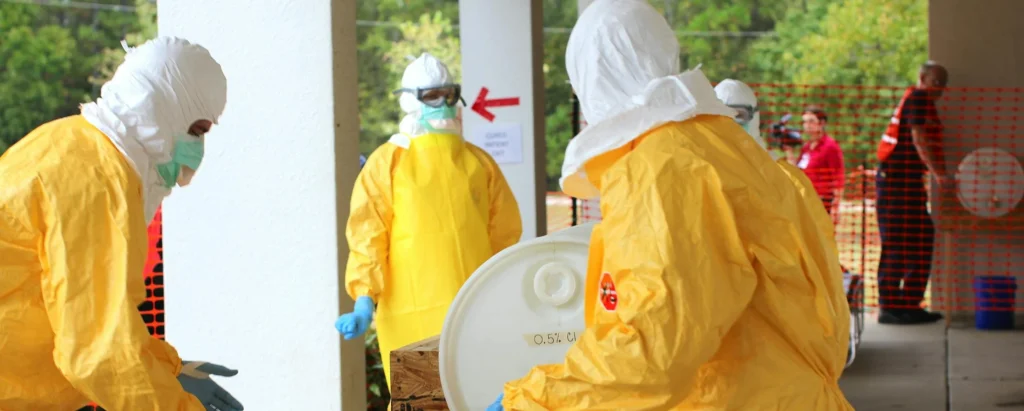
So the bugs have moved in, and you’re done pretending that they’re not a big deal. Whether it’s ants in the pantry, roaches in the garage, or something scarier (hi, scorpions), you’re probably searching for a fast, reliable exterminator in Phoenix. But with so many options, how do you make sure you’re hiring someone legit? Here’s what you really need to know when choosing a licensed exterminator in Phoenix and why it matters more than you think. Why Licensing Matters in Arizona Pest Control When it comes to pest control, the phrase “better safe than sorry” couldn’t be more accurate. In Arizona, all pest control professionals must be licensed through the Arizona Department of Agriculture’s Pest Management Division. That license proves they’ve been properly trained, tested, and approved to handle chemicals and pests safely and effectively. Licensed Means Qualified and Accountable A licensed exterminator is required to: Pass state exams Carry insurance Follow chemical application safety standards Stay up to date with continuing education Without a license, someone spraying chemicals in your home could be putting your family and pets at serious risk. “A neighbor of mine hired a guy off Craigslist to spray for bugs because it was cheap. No license, no paperwork. Two days later, her dog got sick, and her house still had roaches. Turns out he was using some shady product from Mexico. Never again.” — Melissa J., Phoenix, AZ What to Look for in a Licensed Exterminator If you’re investing in pest control, here’s what to ask and check before you say yes: Current license with the Arizona Office of Pest Management Experience with local pests like scorpions, termites, and roof rats Online reviews on Google, Yelp, and local forums Clear communication and no vague treatment descriptions Safe options for pets and kids Follow-up service guarantees if pests return No pushy upselling A legit exterminator will walk you through their process and answer your questions without dancing around the details. Red Flags to Watch Out For Looking for red flags when choosing a pest control company is crucial for several reasons: Ignoring warning signs can lead to ineffective treatments, property damage, health risks, and financial losses. Red flags can indicate a company lacking proper licensing, insurance, or expertise, potentially resulting in subpar service and unresolved pest infestations. Identifying these issues upfront saves time and money and protects your home and family from unnecessary risks. Sometimes, the wrong choice is worse than doing nothing. Here are red flags that scream, “Do not hire”: No license number was provided or visible No business address (just a cell number and a van) Vague about what products they’re using No written estimates or paperwork Prices that seem way too low No proof of insurance If someone can’t prove they’re licensed and insured, keep looking. Questions to Ask Before Hiring a Pest Control Company Asking the right questions before hiring a pest control company is important because it allows you to make an informed decision and avoid potential problems. Thorough questioning helps you assess the company’s qualifications, experience, methods, and pricing, ensuring you receive effective, safe, and reliable service tailored to your specific needs. Failing to ask pertinent questions can lead to costly mistakes, ineffective treatments, and even health hazards. In short, proactive questioning safeguards your investment and protects your family’s well-being. Even if someone checks out online, you still want to ask a few key questions to protect your home and your peace of mind: Are you licensed and insured in Arizona? How long have you been treating homes in Phoenix? What pests do you specialize in? What products do you use, and are they safe for pets or children? What’s included in the price? What happens if pests come back after treatment? Do you offer a free inspection or quote? Don’t Gamble With Your Home, Hire Smart Don’t gamble with your home’s safety and well-being. Just as you wouldn’t entrust home repairs to unlicensed professionals, choosing the right pest control company is equally critical. Hiring a licensed exterminator in Phoenix ensures the protection of your home, your family’s health, and your peace of mind. The good news is that finding a qualified, licensed professional in your area is easier than ever. With numerous reputable options available, you can make an informed decision and avoid potential risks associated with unqualified pest control services. What We Do at Spark Pest Control At Spark Pest Control, we keep Phoenix homes pest-free with fast, effective, and affordable services. We’re not just bug guys, we’re licensed pros who care about your safety, your pets, and your peace of mind. Here’s what you can expect with Spark: Licensed and insured team Same-day appointments available Custom pest plans for scorpions, termites, ants, and more Safe products for families and pets Transparent pricing, no games, no guesswork 5-star rated by thousands of Phoenix homeowners Ready to stop the bugs for good? Contact Spark Pest Control today for a free inspection or same-day service. We’re local, we’re licensed, and we’ve got your back. Frequently Asked Questions 1. How do I verify if an exterminator is licensed in Arizona? You can check their credentials through the Arizona Department of Agriculture – Pest Management Division website. Just search the company or technician by name or license number. 2. Why is it important to hire a licensed exterminator in Phoenix? A licensed exterminator is trained, certified, and insured. They know how to apply treatments safely and are legally accountable if something goes wrong. Unlicensed providers may cut corners or use harmful chemicals incorrectly. 3. What pests should a licensed exterminator in Phoenix be familiar with? A good local exterminator should know how to deal with scorpions, termites, roof rats, ants, roaches, spiders, and even desert-specific pests like crickets and earwigs. 4. Are all pest control companies in Arizona required to be licensed? Yes. If they’re applying any kind of pesticide for money or as a business, they
Are Monthly Pest Plans Worth It in Phoenix?

So, you keep seeing those ads for monthly pest control plans. They promise fewer bugs, more peace of mind, and a perfectly protected home. But then you wonder: “Do I really need pest control every month? Or is this just another subscription I’ll forget I’m paying for?” If you’re living in Phoenix, where pests like scorpions, ants, and roaches are part of the landscape, it’s a valid question. Let’s break it down together and figure out whether monthly pest plans in Phoenix are genuinely worth the cost. Why Phoenix Homes Are Prime Targets for Pests If you’ve lived here even one summer, you already know that bugs in Arizona don’t play. Here’s why Phoenix homes need extra attention: The heat drives pests indoors. Scorching desert temps send bugs looking for cooler shelter, and they often find it inside your walls, bathrooms, or kitchen. Bugs don’t take the winter off Unlike colder states, pests in Arizona stay active all year long. Mild winters give them zero reason to slow down. Some neighborhoods have higher pest pressure If your home is near desert landscaping, mountain preserves, or older buildings, pest pressure increases, big time. “I live near South Mountain, and we had scorpions and ants every single month. A monthly plan was the only thing that kept them out.” — Shannon B., Ahwatukee, AZ What’s Usually Included in Monthly Pest Plans in Phoenix Most monthly plans aren’t just a guy spraying your baseboards and leaving. Reputable services include: Exterior perimeter treatments Indoor sprays or baiting when needed Dusting entry points like weep holes and vents Monitoring for pest activity Free re-services between visits if bugs return Discounts for add-ons like termite or rodent control Safe treatments for families with kids or pets These regular visits keep pest populations from growing and act as a strong barrier to future infestations. The Pros of Monthly Pest Plans Let’s talk perks. There’s a reason many Phoenix families sign up for recurring pest services. 1. Preventative = Powerful When you treat consistently, pests don’t stand a chance. Prevention is way easier (and cheaper) than handling a full-blown infestation. 2. Saves you money over time Think of it this way, the cost of monthly service is way less than fixing termite damage, rewiring rodent-chewed wires, or replacing chewed insulation. 3. Peace of mind No more surprise bug sightings while brushing your teeth or opening your pantry. 4. Tailored service Great pest control pros customize your plan based on your location, type of home, and past pest issues. The Cons of Monthly Pest Plans Of course, no plan is perfect. Here’s what to consider before signing up: 1. Monthly cost adds up Even with affordable plans, the recurring cost isn’t for everyone. If your home stays pest-free primarily, you may not need a monthly visit. 2. Low-risk homes may not need it If you live in a newer, tightly sealed house or a second-story apartment, quarterly service might be more than enough. 3. Some companies oversell Not all homes need monthly service, but some pest companies push it anyway. Be sure they’re not just upselling, ask for an honest evaluation. “I signed up for monthly service after a termite scare, and it’s been great. But honestly, in my last apartment, I only needed treatments every few months.” — Luis F., Tempe, AZ When Monthly Pest Plans Are Totally Worth It Still on the fence? Here’s when monthly service makes total sense: You’ve had repeated problems with roaches, ants, or scorpions You live near natural desert terrain or mountain preserves You’ve had pest-related property damage in the past You want to prevent issues before they start You have kids, pets, or health sensitivities and don’t want to risk exposure to bugs or last-minute sprays When a One-Time Treatment Might Be Enough There are also times when less is more. A one-time visit might be enough if: You’re moving and need a final treatment before selling or vacating You’ve had no prior pest problems You live in a newer or pest-proofed home The issue is small and localized, like one ant trail or a few roaches Not sure if monthly pest control is right for your home? The answer? It depends. If you’ve had pest issues in the past, live near the desert, or just hate the thought of bugs showing up unannounced, monthly pest control is probably worth every penny. But if your home stays bug-free and you’ve only seen a rogue ant once in six months, a quarterly or one-time treatment may be all you need. We’ve got your back. Schedule a free, no-pressure pest risk assessment today with a trusted Phoenix pest control expert. Let’s figure out the smartest plan for your home, whether that’s monthly, quarterly, or just when you need it. Frequently Asked Questions 1. How much do monthly pest control plans cost in Phoenix? Monthly pest control plans in Phoenix typically range from $35 to $65 per month, depending on your home’s size, pest activity level, and whether any specialty pests (like scorpions or termites) are included. 2. Do I really need pest control every month? Not always. Monthly plans are ideal if you live near the open desert, have frequent pest issues, or just want consistent prevention. For homes with little pest activity, quarterly service might be enough. 3. What pests are usually covered in a monthly plan? Most plans cover ants, roaches, spiders, earwigs, silverfish, and crickets. Some also include scorpions or offer add-ons for termites and rodents. Always ask what’s included before you sign up. 4. Can I skip a monthly treatment if I don’t see bugs? Technically, yes, but skipping may break the prevention cycle. Monthly treatments help create a protective barrier, so even if you don’t see pests, the service is still working behind the scenes. 5. Are monthly pest plans safe for kids and pets? Yes, most Phoenix pest control companies use
Pros and Cons of DIY Pest Control in Arizona
You walk into your kitchen and spot a line of ants marching across the countertop, or maybe you hear something scratching in the walls at night. Your first instinct? Grab a can of bug spray and go full DIY mode. We’ve all been there. In Arizona, where pests like ants, cockroaches, and even scorpions love the desert heat, DIY pest control feels like the quickest fix. But is it always the best solution? Let’s break down the real pros and cons of DIY pest control in Arizona so you can decide whether to tackle the problem yourself or call in the pros. Common Arizona Pests That Push People Toward DIY Solutions Before we jump into the pros and cons, let’s look at what you’re likely up against in Arizona: Scorpions Yep, Arizona’s most infamous creepy crawler. While glue traps and sealing up entry points might help, scorpions often need professional-grade solutions to get under control. Cockroaches They love dark, warm, and damp spaces, and they’re fast breeders. A single roach sighting can turn into a full infestation if you miss their hiding spots. Ants One or two ants on the counter can turn into hundreds overnight. You might knock out a few with spray, but if you don’t find the nest, they’ll keep coming back. Spiders, Termites, and Roof Rats Spiders are usually manageable with DIY sprays. But termites and roof rats? That’s not a job for the weekend warrior. Those pests can do serious damage if left unchecked. “I used a fogger for roaches in my Phoenix rental. It worked for two days, then I saw even more. Turns out I missed their hiding spots, and they came back stronger.” — Mike S., Chandler, AZ The Pros of DIY Pest Control in Arizona 1. It’s Budget-Friendly Let’s be honest, cost is a huge factor. DIY pest control is usually much cheaper upfront. You can grab traps, sprays, or powders for a fraction of what a professional visit might cost. 2. Immediate Action No need to wait for an appointment. If you’ve got a problem now, you can treat it today. That convenience is a big plus, especially for smaller pest issues. 3. Good for Minor Problems If you catch a problem early, like a few ants or the occasional spider, DIY solutions can be enough. No need to pay for a full pest control package. 4. Products Are Easy to Find Most Arizona hardware stores carry a solid variety of pest control products. You’ve got options ranging from pet-safe sprays to natural repellents and bait stations. The Cons of DIY Pest Control in Arizona 1. Some Pests Are Too Dangerous to DIY Let’s talk about scorpions again. Or termites. Or roof rats chewing on wires. These pests aren’t just annoying, they’re risky. And unless you’re trained, the solutions you find on the shelf won’t cut it. 2. Surface Treatments Don’t Solve the Root Problem Spraying baseboards might kill what you see, but what about the nest? Without proper inspection tools and training, you could be treating symptoms and missing the source. 3. Risk of Misusing Chemicals Overusing or mixing products without knowing how they interact can be dangerous for you, your kids, and your pets. Plus, some sprays can stain floors or damage furniture. 4. You Could Be Delaying Real Help The longer you try DIY and avoid professional help, the worse the infestation can get. A small issue can turn major and more expensive if it’s not handled correctly the first time. “We had ants, and I kept spraying them for weeks. What I didn’t realize is that they were nesting behind the dishwasher. Our pest control guy found it in ten minutes and solved it completely. I wish I’d called him sooner.” — Rachel T., Mesa, AZ When to Skip DIY and Call a Pest Control Pro in Arizona DIY is fine for basic pest prevention or small problems, but there are definitely times when calling in a professional is the smarter move. Here’s when to do it: You’re seeing scorpions, termites, or roof rats You’ve tried multiple DIY methods with no lasting results You’re dealing with recurring infestations (ants, roaches, etc.) You’re concerned about kids, pets, or allergies The infestation is in hard-to-reach areas like the attic or crawl space Professionals have access to stronger products, years of experience, and knowledge of pest habits specific to Arizona’s climate. How to Combine DIY and Professional Pest Control Safely If you’re not ready to give up your DIY habits but still want professional results, consider this approach: Use natural repellents like peppermint oil or food-grade diatomaceous earth between pro visits Keep your kitchen and bathroom areas dry, clean, and sealed Block pest entry points with caulk and weather stripping Ask your pest control provider for tips on safe DIY maintenance after treatments Report pest sightings right away so pros can adjust treatment as needed It doesn’t have to be all-or-nothing. The best pest control strategies often involve a mix of proactive homeowner habits and professional inspections. Not sure if your pest problem needs a pro? DIY pest control in Arizona can absolutely work for simple, small problems. A few ants? Go for it. A spider in the garage? Grab the spray. But for anything bigger, riskier, or just plain gross, it’s okay to call in the experts. The important thing is knowing when your DIY skills have reached their limit and calling for backup before things get worse. Let’s find out. Contact us today for a free inspection, expert advice, or family-safe pest control services across Arizona. We’ll help you decide what’s worth handling yourself and when to let us take it from here. Frequently Asked Questions 1. Is DIY pest control legal in Arizona? Yes! Homeowners are allowed to use over-the-counter pest control products on their own property. However, using restricted-use or commercial-grade pesticides without a license is not legal. 2. Can I handle scorpions on
How Moisture Attracts Ants in Phoenix Yards and What You Can Do About It

Let’s be honest: in Phoenix, anything that involves moisture grabs attention. Your plants love it. Your pets roll in it. And unfortunately, so do ants. If you’ve ever walked into your backyard after watering the lawn and noticed ants popping up like uninvited guests at a pool party, you’re not imagining it. In fact, moisture attracts ants in Phoenix yards, and once they’re in the yard, they’re just one tiny step away from your house. So, let’s talk about why moisture attracts ants, where they tend to show up, and, most importantly, what you can do to stop them. Why Ants Love Moisture (Especially in Phoenix) The Desert Makes Water a Hot Commodity Phoenix is dry, plain, and simple. So when ants find damp soil, puddles, or any steady water source, they zero in. Think of it like this, watering your lawn in Phoenix is the equivalent of putting out free pizza on the sidewalk. They’re gonna come running. Moist Soil Is Prime Real Estate Ants dig; that’s their thing. And soft, damp soil is way easier to tunnel through than rock-hard desert dirt. After watering your grass or a good spring rain, they’re quick to start building and expanding their nests. Water Brings Other Bugs (aka Ant Food) Moisture doesn’t just attract ants; it draws in other insects, too. And since many ant species eat other bugs, your wet yard becomes a mini buffet. Common Yard Areas That Attract Ants in Phoenix You might think you’re doing everything right, but moisture can linger in sneaky places. Here’s where ants typically hang out: Overwatered lawns that stay soggy for hours Leaky garden hoses or spigots that drip all-day Planters or pots without proper drainage Sprinkler heads that pool around the base Shady spots with low sunlight and damp ground “After I repaired a slow drip from my garden hose, I found a giant ant colony had built up behind the shed. I honestly didn’t think a few drops of water could do that much damage.” —Greg S., Glendale, AZ What Types of Ants Are Attracted to Moisture in Phoenix? Let’s meet the repeat offenders. Argentine Ants These guys love moisture and sweet stuff. You’ll find them trailing across wet patios, planters, and mulch beds. Rover Ants Tiny but persistent. They’re drawn to moisture around your sprinkler heads or AC unit, then often sneak into bathrooms or laundry rooms. Fire Ants Build mounds after the rain and can be aggressive. Step too close, and you’ll feel it, not fun for people or pets. Pavement Ants Nest in cracks under sidewalks, patios, or driveways, especially near spots with standing water. Signs You Might Have a Moisture-Related Ant Problem Watch for these clues around your yard: Ants forming long trails around your hose, plants, or garden beds Dirt mounds or small tunnels in your lawn after watering Ants crawling up the side of your home after rain Sudden increase in ant activity near shaded, damp areas Ants show up indoors shortly after outdoor activity 6 Ways to Prevent Ants from Taking Over Your Phoenix Yard Let’s get practical. You don’t need to turn your yard into a dry desert. You just need to manage moisture smartly. 1. Water Early, Not Excessively Water your lawn in the early morning. This gives the ground time to dry out before nightfall. Avoid overwatering, even in the Phoenix heat. 2. Fix Leaks as Soon as You Notice Them Leaky faucets, garden hose connections, and AC drain lines can all create the perfect conditions for ants. A tiny drip might not seem like a big deal, until you’ve got an army of ants marching from your backyard to your pantry. 3. Improve Drainage Around the Yard If water tends to pool in one area of your yard, redirect it. Use gravel, slope the soil away from the home, or add a French drain if needed. 4. Keep Your Yard Trimmed and Clean Ants love damp, shaded areas under thick bushes or leaf piles. Trim plants away from the home’s foundation and rake up any rotting organic debris. 5. Use Pet-Safe Ant Bait Strategically Place ant bait stations near moist areas where you’ve spotted activity, but make sure they’re in places pets and kids can’t reach. Look for bait labeled safe for use around animals. 6. Call a Local Pest Control Expert If you’ve tried all of this and the ants are still crashing the party, it’s time to bring in help. A Phoenix pest control pro knows which species you’re dealing with and how to treat the problem without wrecking your lawn. “I Had No Idea My Sprinklers Were Feeding Ants” “Every spring, I saw ants coming up the side of my garage, and I couldn’t figure out why. It turned out two of my sprinkler heads were oversaturating the soil near the foundation. I adjusted them, cleaned up the mulch, and added bait traps. They were gone within the week.” — Lena M., North Phoenix Don’t Let Moisture Invite Ants into Your Yard We all want a lush, green yard, but in Phoenix, moisture comes with a side of ants if we’re not careful. The good news is with a few smart habits and some regular checks; you can keep your yard beautiful and ant-free. Don’t wait until the trail leads inside. Seeing ants after watering your lawn or finding mounds near your garden? Take action now. Fix leaks, clean up damp zones, and, if needed, get in touch with a local Phoenix pest control specialist. Frequently Asked Questions 1. Why does moisture attract ants in my yard? Ants need water just like we do. In dry climates like Phoenix, any source of moisture, from a dripping hose to damp soil, becomes a magnet for thirsty ants looking to hydrate or build a nest. 2. Which types of ants are most attracted to moisture in Phoenix? Some of the most common are Argentine ants, rover ants, fire ants,
Spring Ant Problems: What to Expect in Phoenix and How to Handle Them

Spring in Phoenix is a dream, right? The wildflowers bloom, the weather is just warm enough to make you want to barbecue every weekend, and the A/C isn’t working too hard yet. But as the desert wakes up from its winter nap, so do the ants, and let me tell you, they come back with attitude. Spring Ant Problems in Phoenix are really a headache for every hosueholds. If you’ve ever walked into your kitchen on a fresh spring morning only to find a whole ant parade crawling across your counters, you’re not alone. Let’s break down why spring is prime time for ant invasions in Phoenix, what to expect, and most importantly, what you can do about it. Why Ant Activity Spikes During Spring in Phoenix Warmer Weather Means Active Ant Colonies As the temps rise, ant colonies start stretching their legs. Well, all six of them. They become more active, sending out scouts to look for food, water, and cozy places to expand their tiny empires. Your home, especially the kitchen and bathrooms, becomes a five-star resort to them. Rain and Moisture Drive Ants Indoors Yes, spring in Phoenix sometimes brings rain. It’s great for plants, but ants? Not fans. When the ground gets too wet, they head inside where it’s dry and safe, and your kitchen becomes the new base camp. Phoenix’s Climate Is Basically an Ant Paradise Our mild winters and early, warm springs give ants a head start compared to other places. You might see signs of activity as early as March. And trust me, they don’t plan to leave unless you give them a reason. Common Spring Ant Species in Phoenix Homes Different ants, different issues. Here are the top culprits you’re likely to meet this season: Argentine Ants Tiny, brown, and super persistent. These are the ones that travel in long trails and seem to appear overnight in giant numbers. They love sweets and moisture. Rover Ants Even smaller than Argentine ants. These guys hang around sinks, bathtubs, and toilets. They’re moisture lovers and not easy to spot until there are a lot of them. Fire Ants They are mostly outdoor invaders, but if their mounds get flooded or disturbed, they’ll head inside. Their sting is no joke painful and potentially dangerous for kids and pets., Odorous House Ants These are the ones that smell like rotten coconut when crushed. Lovely, right? They often nest inside walls and under floors. How Ants Invade Your Home in the Spring You might think your house is sealed up tight. But ants? They only need a tiny crack. Here’s where they usually get in: Gaps around windows and doors Cracks in baseboards Openings around plumbing pipes Foundation cracks Electrical outlets and wall sockets “I once found ants coming out of the outlet behind my coffee maker. I didn’t even know that was possible. It was like something out of a horror movie.” -Kyle R., Tempe, AZ What Attracts Ants to Your Phoenix Home in Spring You’re not doing anything wrong. Ants are just, persistent. But here’s what usually draws them in: Crumbs on countertops or floors Open food packaging (think cereal, sugar, or pet treats) Leaky pipes or damp areas under sinks Pet food left out in bowls Trash that hasn’t been taken out Even just a tiny drop of soda can set off an ant hunt. 7 Ways to Prevent Spring Ant Problems in Phoenix Now for the good part, what you can do to keep ants out for good. 1. Keep Surfaces Clean and Crumb-Free Sounds basic, but it works. Ants follow scent trails left behind by scouts. Wiping down counters and vacuuming daily removes those trails. 2. Fix Leaks and Dry Wet Spots Under the sink. Behind the toilet. Next to the dishwasher. Moisture is an ant magnet. If it’s wet, it’s inviting. 3. Store Food in Airtight Containers Cereal boxes and chip bags are no match for a determined ant. Use plastic, glass, or metal containers that seal tightly. 4. Seal Cracks and Gaps Use caulk around windows, baseboards, and entry points. Door sweeps help, too. 5. Try Natural Repellents Vinegar, lemon juice, and peppermint oil are all strong-smelling substances that confuse ants’ scent-tracking ability. Spray these near entry points and along ant trails. 6. Lay Down Bait Traps Strategically Place bait traps where ants are most active, but keep them out of reach of pets and kids. Baits lure ants, who take the poison back to the colony, which is way more effective than just killing the ones you see. 7. Call a Local Pest Control Pro If ants keep coming, no matter what you do, it’s time to get help. Phoenix pest control experts know exactly what types of ants are in your area and how to handle them safely and efficiently. “Spring Ant Season Got Me. Until I T s,” “Every year in April, I’d see a line of ants coming from the back patio into my pantry. I tried sprays and traps, but they’d always come back. This time, I got serious: I sealed up the baseboards, cleaned every night with vinegar spray, and used bait traps behind the fridge and under the sink. Gone. Completely gone. It’s been three months and not a single ant.” =Maria L., Phoenix, AZ Don’t Let Spring Ants Take Over Your Home! Ants are smart. But with a little planning and consistency, you’re smarter. Phoenix Springs may be beautiful, but it also comes with bug drama. Don’t wait until the ants move in. Start now. Clean up. Sealup. Set the traps. And if all else fails? Don’t let ants ruin your spring vibes. Try the steps above, or reach out for immediate inspection from a trusted Phoenix pest control expert. We’ll help you kick those ants out for good. Frequently Asked Questions 1. Why do ants show up more in the spring in Phoenix? When temperatures rise and the desert starts warming up,
Tenant vs. Landlord Responsibility for Pest Control in Phoenix

You’re sitting in your apartment in Phoenix, watching a trail of ants march across the baseboard, or maybe you’ve spotted a roach in the kitchen at midnight. Gross, right? Your first instinct might be to call the landlord. But what if they tell you it’s your responsibility? Now you’re in a standoff, and the bugs are winning. So here’s the big question: Who’s actually responsible for pest control, the tenant or the landlord? Let’s break down the rules, the laws, and what really happens in Phoenix rentals when pests come crawling in. Know everything about the tenant vs. landlord responsibility for pest control in Phoenix. What Arizona Law Says About Pest Control in Rentals Arizona has a state law called the Arizona Residential Landlord and Tenant Act, which outlines what both tenants and landlords are responsible for. One key part of this law? Landlords must provide “fit and habitable” living conditions. That means if your apartment has a serious pest problem and you didn’t cause it, your landlord is legally required to take care of it. Pest control is considered part of property maintenance. Especially when it comes to bigger infestations like cockroaches, termites, or bed bugs, those fall under the landlord’s duty unless the tenant caused the issue. When Pest Control Is the Landlord’s Responsibility Here’s when your landlord is on the hook: The pests were there before you moved in Any infestation that existed before you signed your lease is the landlord’s job to fix. The issue is structural or property-related If leaking pipes or poor construction caused moisture buildup that attracted pests, it’s not your fault, it’s theirs. It’s a multi-unit building In apartments, pest control in shared walls or common areas usually falls under the landlord’s scope. Regular pest control is scheduled by the building Some landlords handle monthly or quarterly treatments. If they’ve committed to that, it’s their responsibility to follow through. “I moved into my Phoenix apartment and saw cockroach droppings under the sink on day one. I reported it right away. The landlord brought in pest control the next day and even offered to cover the cost of replacing some items. It turns out it’s required by law if the infestation predates the lease.” — Danielle R., Phoenix, AZ When Pest Control Becomes the Tenant’s Job Landlords aren’t responsible for everything. In some situations, pest problems are tied directly to how the tenant is living. Here’s when it’s probably on you: Leaving food out or poor sanitation Leaving dirty dishes in the sink, overflowing trash, or crumbs on the floor is like sending bugs a dinner invitation. If your habits attract pests, you may have to pay for treatment. Not reporting an issue in time If you ignore the problem and let it grow, you could be held responsible. Early reporting is key. Bringing pests in from personal items Think: bed bugs in furniture, fleas on your pet, or ants in your luggage. If the source is clearly from you, it’s likely your problem. It’s outlined in the lease If your lease says you’re responsible for pest control (which some do), you’ll need to handle it, unless the infestation is caused by something out of your control. Why It’s Necessary to Include Pest Control in the Lease A lease is your rulebook. If it’s clear about pest control from the start, there’s no confusion later. A good lease will cover: Who pays for routine pest control What happens if there’s an infestation How quickly the landlord must respond What pests are included (roaches, termites, bed bugs, etc.) This protects both the tenant and landlord from unnecessary fights or legal trouble later on. Pest Control in Phoenix Apartment Complexes and Multi-Unit Rentals Here’s where it gets tricky. Pests don’t care about lease boundaries. Landlords are generally responsible when: The infestation is spreading through shared walls Common areas like hallways or laundry rooms are affected One tenant’s issue is impacting others In these cases, landlords should coordinate building-wide treatments and take action quickly to prevent the problem from getting worse. Pro tip: If you see pests, document the problem. Take photos. Send written notice to your landlord or property manager. This creates a paper trail and protects your rights. What to Do if There’s a Dispute Over Pest Control Responsibility Let’s say your landlord refuses to pay. Or you’re a landlord, and the tenant won’t cooperate. Here’s what you can do: 1. Check the lease agreement Before anything else, see what’s in writing. If it clearly outlines who’s responsible, that’s your first point of reference. 2. Communicate in writing Text messages and calls are easy to forget. Send an email or letter with dates, photos, and details. Keep it professional. 3. Contact the Arizona Department of Housing If you can’t agree and the problem isn’t getting fixed, the state offers tenant and landlord support for housing disputes. 4. Consider mediation or small claims court Sometimes, things escalate. If so, small claims court is an option, just be prepared with evidence. “I Thought It Was My Job. But It Wasn’t.” “I kept buying traps and sprays for roaches in my rental because I thought pest control was on me. Turns out, our lease said the landlord handles infestations. When I finally brought it up, they scheduled a treatment and even followed up. I wish I had spoken up sooner.” — Chris L., Tempe, AZ Dealing with a pest issue in your Phoenix rental? Nobody likes dealing with bugs. But dealing with a pest problem and a legal dispute? That’s worse. The best way to stay stress-free is to know what your lease says, understand your rights, and handle issues quickly and professionally. Landlords and tenants both have responsibilities, and clear communication makes all the difference. Know your rights and responsibilities. Whether you’re a tenant or a landlord, we can help you find a trusted, licensed pest control company that understands Arizona laws and protects your property.
Phoenix Pest Control Laws: What You Should Know

Have you spotted a few ants in the kitchen or heard rustling in the attic and thought, “Time to grab some spray.” Or maybe you’ve called a pest control company, and they came out the same day. Simple, right? Well, not so fast. Whether you’re a homeowner, tenant, or landlord, pest control in Phoenix comes with legal guidelines, and ignoring them could cost you more than just a bug problem. From licensing rules to tenant-landlord responsibilities, it’s important to know what the law actually says before you start spraying or hiring someone to do it for you. Who Regulates Pest Control in Arizona? If you’re in Phoenix, the state agency you need to know about is the Arizona Department of Agriculture (AZDA), specifically its Office of Pest Management. Licensed Pros Only In Arizona, pest control isn’t a free-for-all. Anyone performing pest control services for others, including termite work, weed control, and indoor treatments, must be licensed. This includes both the company and the technician applying the product. Training and Safety Are Mandatory To become licensed, applicators need to undergo state-approved training, pass exams, and follow strict safety guidelines. Even if you’re using store-bought chemicals in a commercial setting or for someone else’s property, you could be breaking the law if you’re not licensed. Real-world example: “A buddy of mine owns a few rental properties in Phoenix. He tried using a pro-grade termite product himself and got hit with a state fine. He had no idea it was regulated.” — Ramon C., Phoenix, AZ Homeowners: What You Can (and Can’t) Do Legally If you’re treating your own home and not charging anyone, you’ve got a bit more freedom, but there are still limits. What You CAN Do: Use over-the-counter sprays, baits, and traps from the hardware store Apply treatments only on your personal property Follow all safety instructions on product labels (this is required by federal and state law) What You CAN’T Do: Apply commercial-grade pesticides without a license Perform pest control on someone else’s property for compensation Use restricted-use chemicals like soil termiticides unless you’re certified Renters vs. Landlords: Who Handles Pest Control in Phoenix Rentals? This is a big one, especially in multi-unit buildings or single-family rentals. Pest control responsibilities between tenants and landlords can vary, but Arizona law has a few basics. Landlords Are Responsible For: Ensuring the rental property is habitable, including being free from serious pest infestations Taking care of issues like cockroach or termite problems not caused by tenant behavior Providing pest control services as outlined in the lease Tenants May Be Responsible For: Keeping the unit clean and free of food or clutter that attracts pests Reporting pest problems early before they get out of control Paying for pest control if the issue was caused by neglect (like trash buildup or food left out) Pro tip: Always spell out pest control responsibilities in the lease. It avoids headaches for both sides. Legal Pest Control Practices in Phoenix You Should Know About There’s more to this than just who sprays what. Integrated Pest Management (IPM) Public schools and some government buildings must follow IPM protocols, which prioritize prevention and low-toxicity treatments over constant spraying. Restricted Use Products Some pesticides are restricted or banned in Arizona, especially those harmful to people, pets, or the environment. Don’t assume “more powerful” means better; it may be illegal. Notification Rules If pest control is being done in apartment complexes, workplaces, or public areas, tenants or occupants must be notified in advance. Spraying without notice could violate both state law and lease agreements. Proper Disposal Matters You can’t just toss unused pesticides in the trash. Arizona has specific disposal regulations to protect soil and water. Many local hazardous waste facilities accept pesticide containers; just don’t dump them down the drain. Example: “My kid’s elementary school posted a notice saying pest control would be done over the weekend. I later found out Arizona law requires that for schools. Makes me feel better knowing they take it seriously.” — Tina J., Scottsdale, AZ How to Choose a Legal and Safe Pest Control Company in Phoenix Not all pest control companies are created equal. Here’s how to find one that’s both legal and trustworthy: Verify their license with the Arizona Department of Agriculture Ask about their treatment methods and request safety data sheets Look for pet-safe or kid-friendly options if that’s important to your family Check reviews and testimonials from Phoenix locals Make sure they provide proper documentation and pre-treatment notices (especially in multi-family homes) “Our Pest Tech Explained Everything and Followed the Rules” “We rent a home in Phoenix and noticed a recurring ant problem. Our landlord called a local pest control company. The technician showed us his license, explained every product he used, and even gave us a 24-hour reentry guide. I felt completely safe having my toddler around after they left.” — Michelle D., Phoenix, AZ Want pest control that’s fully legal, licensed, and safe for your property? Look, pest control might not seem like a legal gray area, but in Phoenix, it definitely comes with a rulebook. Whether you’re treating a few ants in your kitchen or managing pest issues in a rental property, knowing the laws protects your health, your wallet, and your peace of mind. Reach out today for service from trusted Phoenix professionals who know the law and follow it every step of the way. No guessing, no shortcuts, just reliable protection done right. Frequently Asked Questions 1. Is it legal to do my own pest control in Phoenix? Yes, if you’re treating your own personal property using over-the-counter pest control products. You must verify that a Phoenix pest control company possesses the state-issued license to utilize commercial-grade or restricted-use pesticides. 2. Do I need a license to spray pesticides at a rental property I own? Yes, if you’re applying professional-grade treatments or treating multiple properties. Even landlords must use licensed pest control providers for anything
Area Pest Control Spray Safe for Kids and Pets?

Bugs are annoying, but the thought of using chemicals around your little ones or fur babies? Even more stressful. If you’ve ever sprayed for ants or roaches and then immediately panicked, wondering, ‘Are pest control sprays safe for kids and pets?” or “What if my toddler touches that baseboard?”, you’re not alone. This is one of the most common concerns for families facing a pest problem. The good news? With the right info, you can absolutely keep your home bug-free without putting your kids or pets at risk. Let’s dig into what’s safe, what to avoid, and how to protect everyone under your roof. The Truth About Common Pest Control Sprays What Most Store-Bought Sprays Contain A lot of over-the-counter pest control sprays, especially the cheap ones from big-box stores, include chemicals like pyrethroids or permethrin. These ingredients are effective against bugs, but they can also be harmful to small children and pets if inhaled, ingested, or even absorbed through the skin. And unfortunately, most people spray way more than necessary, right in places kids crawl, and pets walk, like baseboards and floors. Are Professional Treatments Safer? Surprisingly, yes, it is often safer than DIY sprays, as long as you’re using a reputable pest control company. Licensed technicians know how to apply products correctly and usually have access to targeted low-toxicity treatments. Many even offer eco-friendly or pet-safe pest control options on request. Why Kids and Pets Are More Sensitive to Pest Sprays They’re Closer to the Ground Think about it, toddlers crawl, babies put everything in their mouths, and dogs literally lick the floor. So, anything sprayed on or near the ground is way more likely to affect them than adults. Smaller Bodies = Bigger Impact Kids and animals are much more sensitive to chemicals. Even small exposures can cause reactions. What might cause mild skin irritation in an adult could lead to vomiting or respiratory issues in a dog or baby. “My dog had a mild reaction after licking the floor where I sprayed for ants. I didn’t think about it not being dry yet. Since then, I’ve switched to pet-safe baits and make sure to keep her out of the area for a few hours after any treatment.” — Jessica W., Mesa, AZ Safer Pest Control Alternatives for Families with Kids and Pets You don’t have to rely on harsh sprays. Here are some safer ways to get rid of bugs without putting your loved ones at risk. 1. Gel Baits and Bait Stations These products stay contained in small enclosures or behind appliances. Ants or roaches take the bait back to the colony, and the poison works behind the scenes, no spraying needed. 2. Essential Oil-Based Sprays There are pest sprays made from natural oils like rosemary, peppermint, and clove. These smell strong (and awesome), but can deter bugs naturally. Just double-check that the essential oils used are safe for your specific pets, especially cats, who are sensitive to many oils. 3. Diatomaceous Earth (Food Grade Only) This powdery substance is made from crushed fossils and works by drying out insects’ exoskeletons. It’s safe to use around pets and kids if you buy the food-grade version and apply it carefully to dry areas. 4. Green Pest Control Services Many Phoenix pest control companies now offer eco-friendly treatments. These options are specifically designed to be non-toxic for children and pets while still being tough on pests. How to Use Pest Sprays Safely Around Kids and Pets Even if you’re using a safer product, it’s all about how you apply and manage it. Keep kids and pets out of the room while spraying Let surfaces fully dry before letting anyone walk or crawl through Store sprays and chemicals high up or in locked cabinets Ventilate the room after treatment, open windows, use fans Use gel baits and traps instead of spraying surfaces when possible “We Wanted Pest Control Without Worrying About Our Dog or Baby” “We have a toddler and a new puppy, so safety is our top priority. We didn’t want to live with bugs, but we also didn’t want to use toxic sprays. Our pest control tech offered us a green service option with gel bait and essential oils. He applied treatments only to cracks and entry points and we haven’t seen a bug since. Zero reactions from the dog or baby, and major peace of mind.” — Nathan & Sarah H., Phoenix, AZ Safety Comes First, But You Don’t Have to Live with Pests Keeping your home safe and pest-free shouldn’t feel like a trade-off. You don’t have to choose between protecting your kids and pets or getting rid of bugs. With the right strategies, and maybe a little help from the pros, you can have both. Worried about using pest control products around your pets or little ones? You’re not alone. Call your local Phoenix pest control team and ask about green or pet-safe services. Let’s keep the bugs out without stressing over safety. Schedule your kid-and pet-friendly pest inspection today. Frequently Asked Questions 1. Are pest control sprays safe to use around babies and toddlers? Some are, but not all. Traditional sprays often contain chemicals that can irritate or harm babies. Always choose treatments labeled as child-safe or opt for professional pest control companies that use non-toxic or eco-friendly options. 2. Can pest sprays harm dogs and cats? Yes, especially if pets ingest or walk through freshly treated areas. Some ingredients can cause vomiting, skin irritation, or worse. Always follow label directions, and keep pets away from treated zones until it’s completely dry. 3. How long should I keep my kids and pets away after spraying? Usually, 2 to 4 hours is enough, or until the product has dried completely. Read the label instructions carefully, and when in doubt, ask your pest control provider for specific guidance. 4. What should I do if my child or pet touches a sprayed surface?
The Most Common Ants in Phoenix & How to Identify Them

You grab your morning coffee, step into the kitchen, and see a trail of tiny ants marching across the counter. It’s not the first time, and probably not the last. If you live in the Valley, you know ants are more than a seasonal nuisance. In fact, ant infestations are one of the most common pest problems in Phoenix homes, thanks to our warm climate and urban sprawl. The good news? When you know what kind of ants you’re dealing with, it becomes easier to get rid of them and keep them out for good. In this guide, we’ll walk you through how to identify the most common ants in Phoenix, what attracts them, where they like to hide, and what to do if they invade your space. Why Ants Thrive in Phoenix Homes and Yards If it feels like ants love your home, it’s not personal, it’s Phoenix. Our warm, arid climate creates the perfect year-round conditions for ant colonies to survive and thrive. Add in our irrigation systems, lush landscaping, and easy access to water and food, and it’s no surprise they keep showing up. Here’s why Phoenix is such a hotspot for ants: Long, hot summers drive ants indoors in search of water Irrigated lawns and drip systems attract ants to the perimeter of homes Cracks in stucco, windows, and doors offer easy entry points Food waste and pet food bowls provide consistent food sources Urban development continues to push ant colonies into residential neighborhoods In short, if you live in Phoenix, it’s not if you’ll see ants, but when. The key is knowing which kind. 5 Common Ant Species Found in Phoenix Let’s get into the most common ant species you’re likely to see around your home and how to tell them apart. 1. Argentine Ants Color: Dark brown to black Size: 1/8 inch Traits: These ants form massive colonies with multiple queens, making them hard to control. Where to find them: In kitchens, bathrooms, around baseboards, near water sources like sinks and pipes How to spot them: They tend to move in long trails and swarm in large numbers. If you’ve ever found a line of ants going in and out of a baseboard or countertop, you might be dealing with Argentine ants. 2. Odorous House Ants Color: Brown to black Size: 1/8 inch Traits: Emit a foul odor when crushed, like rotten coconut Where to find them: Indoors and outdoors, near moisture; often nest under sinks or in wall voids How to spot them: These ants are extremely persistent and tough to eliminate without professional help. Their smell is a clear giveaway. 3. Pavement Ants Color: Brown to black with parallel lines on the head and thorax Size: 1/16 to 1/8 inch Traits: Nest under concrete slabs, driveways, sidewalks, and foundations Where to find them: Along patios, garages, and basement floors How to spot them: Look for small piles of dirt or sand near cracks in the pavement or baseboards. 4. Carpenter Ants Color: Black or reddish Size: ¼ to ½ inch, one of the largest ants in Phoenix Traits: Unlike termites, carpenter ants don’t eat wood, they hollow it out for nesting Where to find them: Inside wood structures, decks, patios, or even window frames How to spot them: You may see coarse wood shavings and hear faint rustling in walls. They can cause damage over time. 5. Fire Ants Color: Reddish-brown Size: 1/8 to 1/4 inch Traits: Aggressive and capable of painful stings Where to find them: Outdoors in sunny areas, often on lawns, near AC units, or electrical boxes How to spot them: Raised mounds in your yard are a strong sign. Disturbing their nests can trigger fast, aggressive swarming. From Kitchen Invaders to Full Colony Control Meet Lisa, a homeowner in Glendale, AZ. One summer, she started seeing a few ants near her kitchen sink. She cleaned, sprayed, and tried every DIY trick in the book, but they kept coming back. After two weeks, the problem got worse. The ants had made their way behind her dishwasher and into the pantry. Lisa called a local pest control company. The technician identified the ants as Argentine ants and found their colony under the patio slab. After a targeted treatment and sealing up cracks in the kitchen, Lisa saw results within a day. “I had no idea how far the problem had spread. It went from annoying to overwhelming in just days. Getting help early would have saved me time and stress.” – Lisa R., Glendale What Phoenix Homeowners Are Saying About Ant Problems “They were in my pantry every morning. Turns out they were odorous house ants nesting under my sink.” – Jason C., Tempe “Fire ants stung my dog in the backyard. That was the last straw. Got the whole yard treated.” – Marie R., Chandler “The pest tech showed me how carpenter ants had chewed into the patio post. I would have never guessed.” – Aaron S., Peoria Easy Prevention Tips to Keep Ants Out in Phoenix While you can’t stop ants from existing, you can make your home a lot less inviting. Try these simple steps: Seal entry points with caulk, especially around windows, doors, and plumbing Clean up crumbs and spills immediately, especially sugary or greasy food Use airtight containers for pantry items like cereal, sugar, and pet food Fix leaks and eliminate standing water, ants love moisture Trim bushes and trees that touch your home (these can act like ant highways) Take out the trash regularly and clean bins with bleach or vinegar Know When It’s Time to Call for Help Sometimes, even the cleanest home can still be overrun. Here’s when to bring in a professional: You’ve tried DIY methods with no success Ants return within days of treatment You find nests indoors or large mounds in the yard You see winged ants near baseboards or windows (possible swarmers) You’re dealing with carpenter or